Categories
Showcase 2022

Faces Twenty Five

Faces Twenty Five

Mr.Chakrit Ketruangroch

Introduction

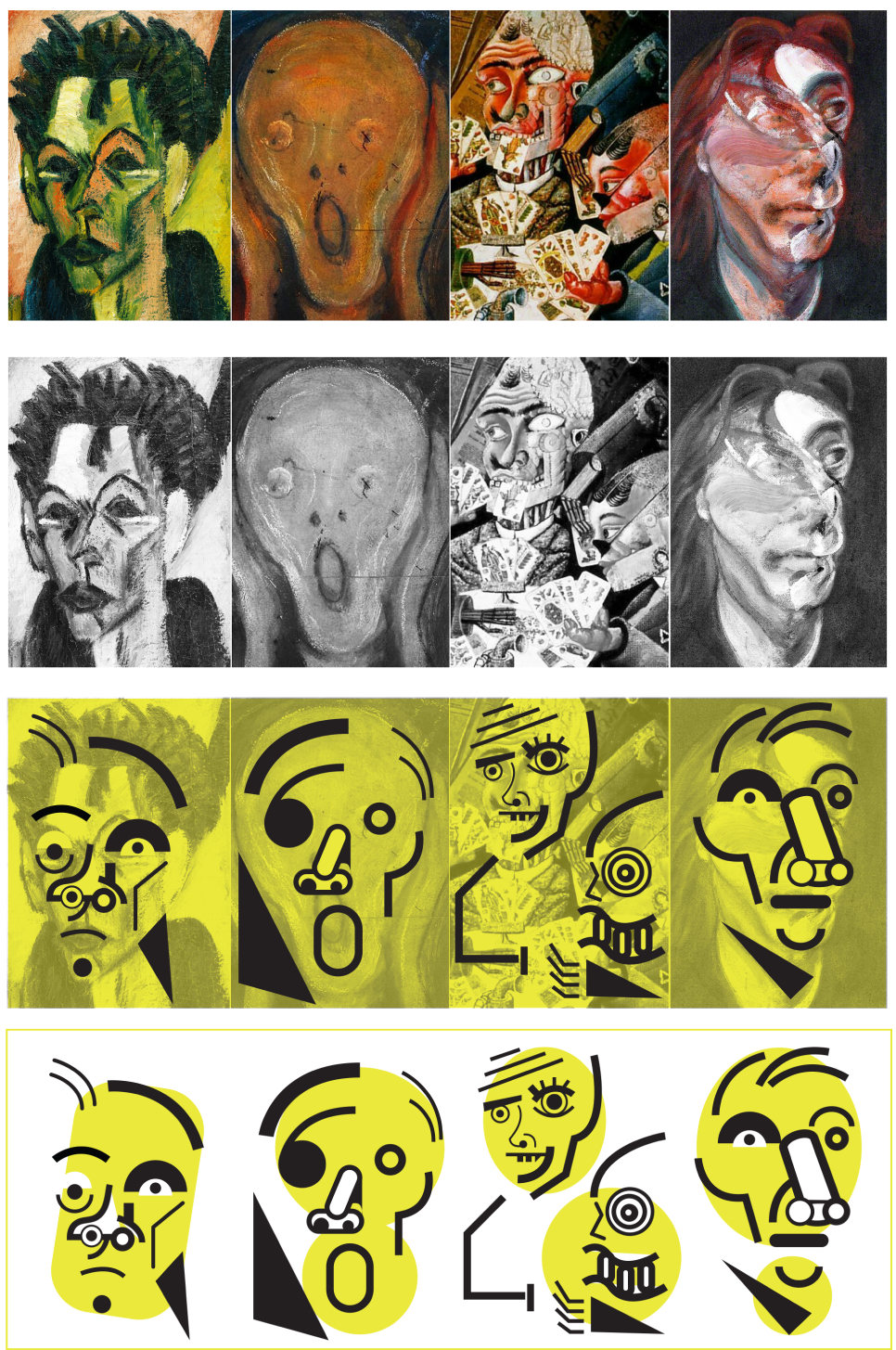
It starts with an interest in character and expression on the character’s face in the Expressionism* painting (1900-2000). that focuses on expressing one’s emotions. With the expressions of the faces, there were different characteristics. They reflecting the idea of stories and events that took place together with the details and techniques for presenting the artist’s interest
In the creative design works in this series. It is intended to be noted. Study and analyze line art Expressionism*. The structure of the expressions on the characters’ faces in the works of art. whether it is the expression of emotions, feelings, points of interest, strengths, and artistic elements.
as well as bringing the knowledge of basic visual elements such as points, lines, shapes, weights and empty spaces to be used in conjunction with the composition of art together with the use of digital tools and technologies until leading to new interpretations and creations.

Designs that are characterized by patterns and graphics that can be used to further creativity in the visual arts design Applied arts and products resulting in added value creation and benefits for further use.

Expressionism is an artistic ideology that expresses emotions. Occurred in the early 20th century in Germany. It is a reaction against positivism and other artistic traditions such as naturalism and impressionism.

Conclusion

This creative work Designers have a need to communicate. and presents the human emotion that is reflected through various forms in art of Expressionism by analyzing, interpreting and unraveling by applying the basic visual elements in art such as points, lines, shapes and spaces, together with the principles of art and design. Until resulting in a creative design work in the form of Graphic Illustrations that have outlines and origins from earlier art. It can also be used to extend creativity in other fields of design work. currently available that is modern and responsive to technology.

Objectives Aims or Purposes

  1.  To study the nature of art Expressionism
  2. To design and create works of illustrations (Illustration)
  3. Creative works can be used for further design in communication arts and products.

Process or Methods

  1. Collection of information on art by focusing on the emotional nature on the character’s face expressed in Expressionism art in the 19th and 20th Centuries
  2. Study visual elements of art and elements of art to be used as a substitute for various creative values.
  3. Analyze the data and interpret it. to bring to the creative process by substituting important points on the face with artistic visual elements and artistic composition
  4. Create works in the form Graphic Illustrations with the use of basic artistic visual elements such as points, lines, shapes, weights and spaces, together with artistic compositions, including : Highlights ,Emphasis and Rhythm.

Techniques and materials

Technic : Digital Graphic Illustrations (Didital Printing)

Size or Mins.

150 x 150 cm
Categories
Showcase 2022

TRIBAL OF CURIOSITY#1#2#3

TRIBAL OF CURIOSITY#1#2#3

Assist. Prof.Dr.Chaiyasit Chanarwut

Introduction

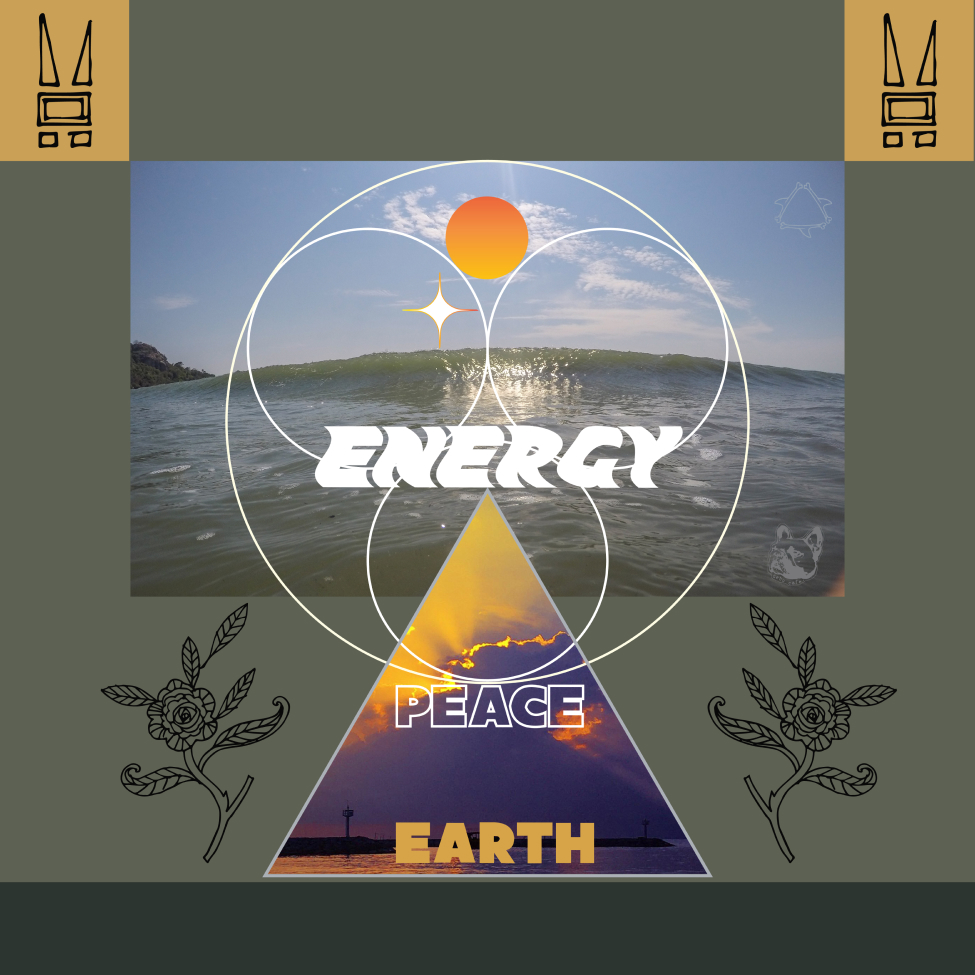
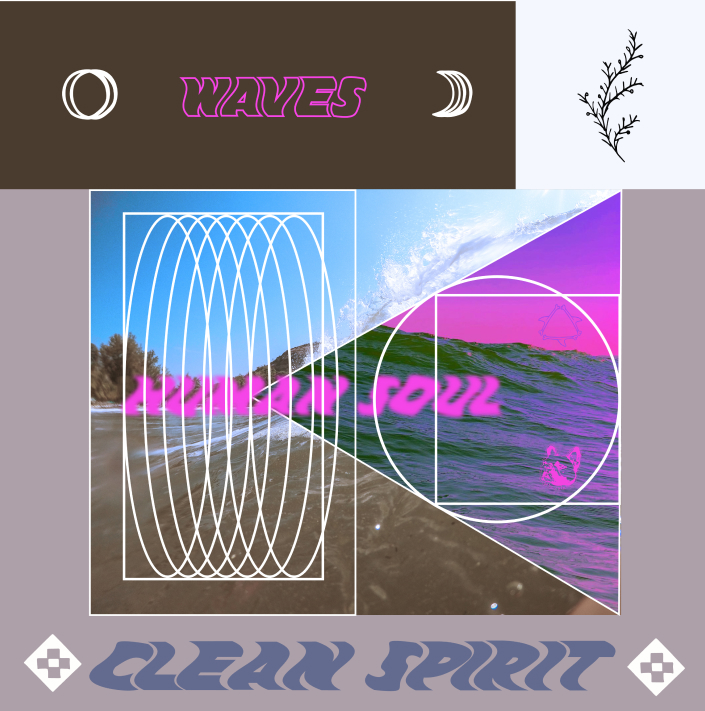
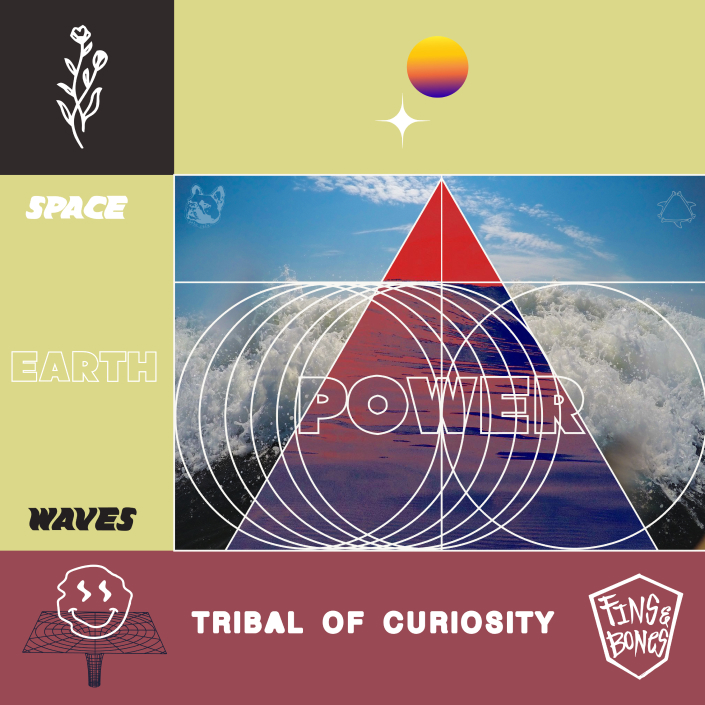
          The search for human energy sources for sustaining life from one generation to the next continues to be a constant search within the world. And still use renewable energy from everywhere. Of course that energy is used up. And we never stop searching to help ourselves and the lives of those around us that we love.

Conclusion

The audience was delighted and asked questions about the search for new, renewable energy sources that are sustainable for humans.

Objectives Aims or Purposes

To raise awareness of the search for sustainable energy sources

Process or Methods

Design research

Techniques and materials

Media Design Research, Analysis, Context, Photo, Format, Typography, Colour

Size or Mins.

1200PxX1200Px
Categories
Showcase 2022

Songkhla Old Town

Songkhla Old Town

Dr. Chamaiporn Mitinunwong

Introduction

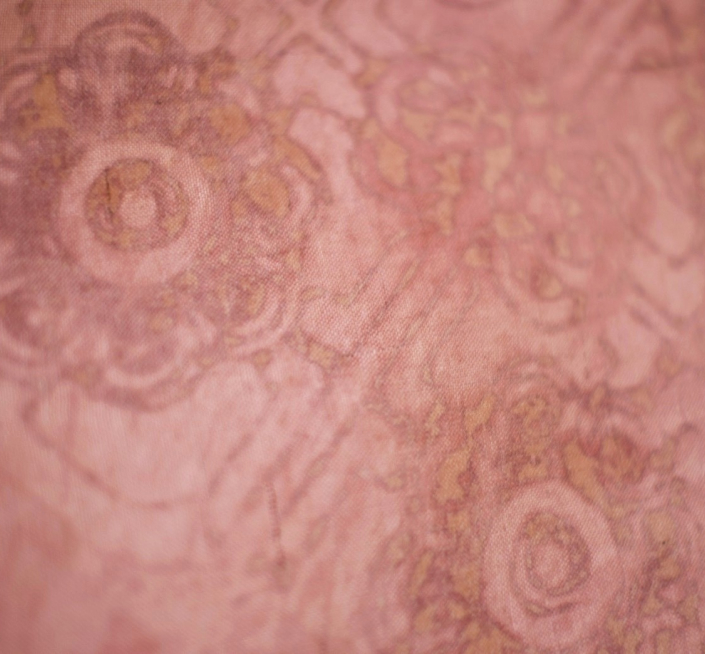
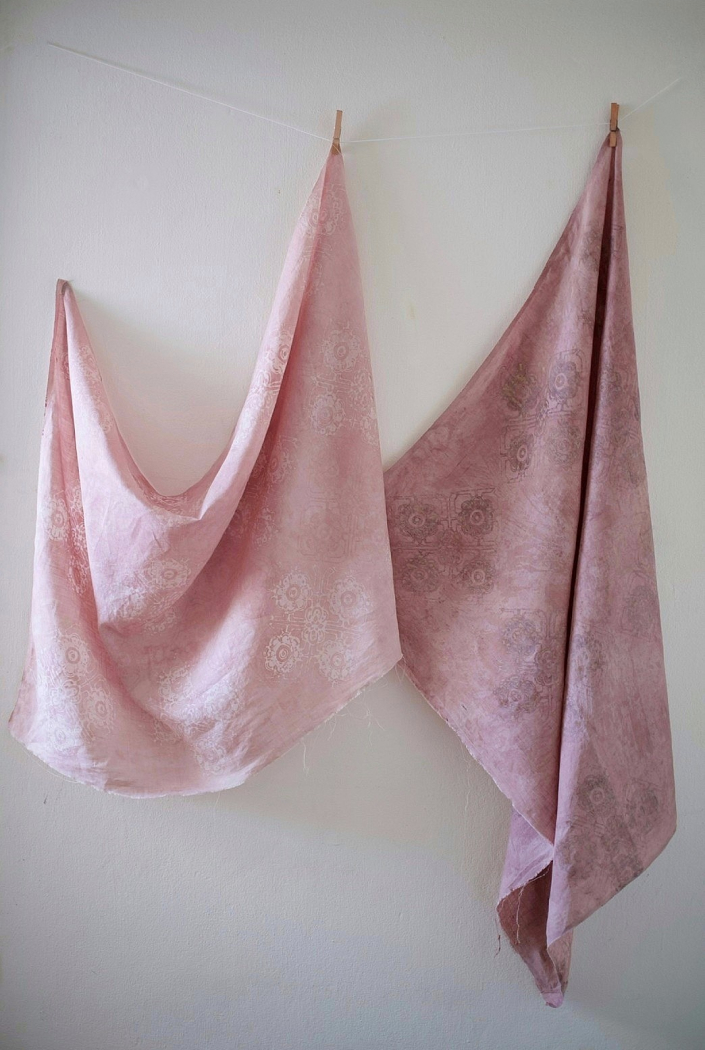
Batik creation printed with the pattern of the identity of Songkhla Old Town represented Thai people in the south living together with love and unity under the multiculturalism of art; and Thai, Chinese, and Malay cultures. Batik printing technique with natural dyes followed the concept of sustainability to reduce the use of chemicals and environmental destruction and build awareness of living with nature with creativity for the bright future of young generations in the lively environment and eco-friendly pleasant town.

Thus, the researcher used the pattern from the wooden cooking block of Sampannee with perforated lines imitating the wooden ventilators of the ancient house in the old town Chinoprotugese pattern from “Ban Nakhon Nai,” an ancient house aged 300 years, located on Culture Street, Songkhla Province for new pattern design, along with the concepts of batik creation and candle mold pumping technique to impede colors, which is a local fabric of Thai Malays in the south of Thailand for wearing when they perform religious rituals. The operation method was divided into 3 phases: Phase 1 was the work used to study the literature on the process of making Batek and cold dyeing in natural colors, Phase 2 was a metal block and technique experiment, and Phase 3 was creating works and draw conclusions The findings reveal that the first fabric: Cold dyeing from noni leaves and roots,

banana sap, and sappan heartwood created a light purple fabric with the clear printed pattern and candle lines, and The second fabric: Cold dyeing from noni leaves and roots, banana sap, and the rusty water created dark purple fabric, but the printed pattern was not as clear as the first fabric. The edge of the pattern that impeded the candle turned black due to the reaction of the rusty water to the fabric.

Conclusion

The first fabric: Cold dyeing from noni leaves and roots, banana sap, and sappan heartwood created a light purple fabric with a clear printed pattern and candle lines, of which sizes were small and could collect the details of the pattern nicely. The pattern that impeded the candle looked like marbles, obtained by squeezing the fabric while soaking.
The second fabric: Cold dyeing from noni leaves and roots, banana sap, and the rusty water created dark purple fabric, but the printed pattern was not as clear as the first fabric. The edge of the pattern that impeded the candle turned black due to the reaction of the rusty water to the fabric. Thus, The edge of the pattern at this part turned black. And the overall pattern was not as clear as the fabric that was not soaked in the rusty water.
Natural dyes created beautiful and dark colors, particularly dark red from sappan heartwood.

Objectives Aims or Purposes

To “Clean” or improve Design Thinking process to get better customer’s insights by eliminating designer’s biases.

Process or Methods

  1. Batik creation, process, technique, and printing with the metal block were studied.
  2. Natural dyes from plants and cold dyeing techniques were studied.
  3. Trial: The fabrics were printed with the metal block.
  4. Trial: Natural dyes of noni leaves and roots, banana sap, and sappan heartwood
  5. The work was created and spread.

Techniques and materials

Fabric Print, LightBox, Installation

Size or Mins.

60×120 cm.

Categories
Showcase 2022

I am MINE

<span data-metadata=""><span data-buffer="">I am MINE

Asst.Prof Dr. Arttawut Changvittaya

Introduction

The most well-known Design Thinking process was developed by Stanford d. School, an improved version of the Harvard Design Thinking model, which will be referred to hereafter. The first step of Design Thinking process is “Empathy” or the process truly relating to audiences’ minds to comprehend and identify their pain points.

The Linear 5 steps process of Design Thinking has been used for the past 14 years without being challenged. This year symposium’s topic is “Clean Design”, contrarywise, has the process that we have been using to create those designs been “Cleaned”. In other words,

every product, design or process needs to be improved, any good model needs continuous improvement.

As a Designer, Professor and Academic specialist of Design Thinking, I had the opportunities to vastly put the practice of this model in real use, with success, among Education, Government and Private sectors. Therefore, I would like to be the first to challenge to “Clean” the Design Thinking process or advance it to make it more practical and applicable to Thai people.

From personal experiences, the best method to initiate “Empathy” is not to look at the customer but the first step should be to look or empathize with yourself, “ME”. Why “ME”? Empathizing with yourself can help you acknowledge your own biases and preferences. Designers usually create products from their own preferences, it is essential to “Clean” yourself and your mindset, with a “Clean ME” you can fairly empathize with your customers.

        In conclusion, this artwork will emphasize on Cleaning “ME” to improve and produce better designs and products for others. Thai language has been chosen to create this artwork, even though this is an international symposium, most of the audience and stakeholders who will be viewing this exhibition are Thai. I would like to stress the importance and communicate to Thai designers to “let go of biases”. To Clean “Me”. Lastly, I hope that this artwork will be a reminder for designers to always question themselves when creating a product for customers, is this for “ME”?

Conclusion

The research project entitled “The process of creating conceptual art through the
photography.” had been studied and ascertained by the researcher from sorts of information to
analyze and find ways to create photography and including creating new forms from the scope
of content and social issues that have arisen from the past to the present. This visualization process has invited new interpretations of the concept of photography to be a communication tool that expresses thoughts upon problems occurring in society through language and the artistic symbols hidden in photography. The artistic tactics in this work have encouraged viewers
to watch, question, and find out the meaning in their perspectives.

Objectives Aims or Purposes

To “Clean” or improve Design Thinking process to get better customer’s insights by eliminating designer’s biases.

Process or Methods

The process of this work is divided into two stages as follows: 1. In depth research of available and credible academic studies to pursue a method to improve Design Thinking process to make it more appropriate for Thai Designers. 2. Creating an art piece as a symbolic gesture to call out to Designers who use Design Thinking method to start the process by looking at “ME”.

Techniques and materials

Metal sheet 2.5 mm. and powder coat white color

Size or Mins.

–

Categories
Showcase 2022

Slumber, 2022

Slumber, 2022

Asst. Prof Anupong

Introduction

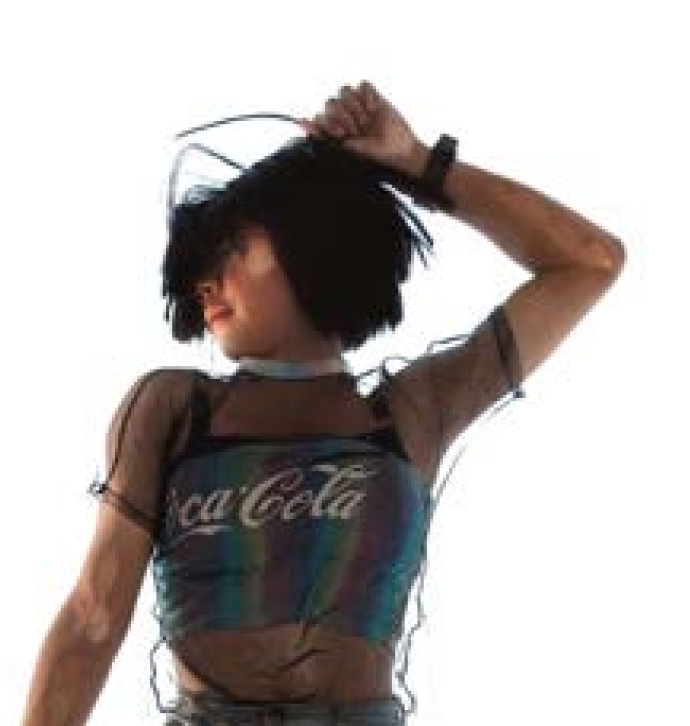
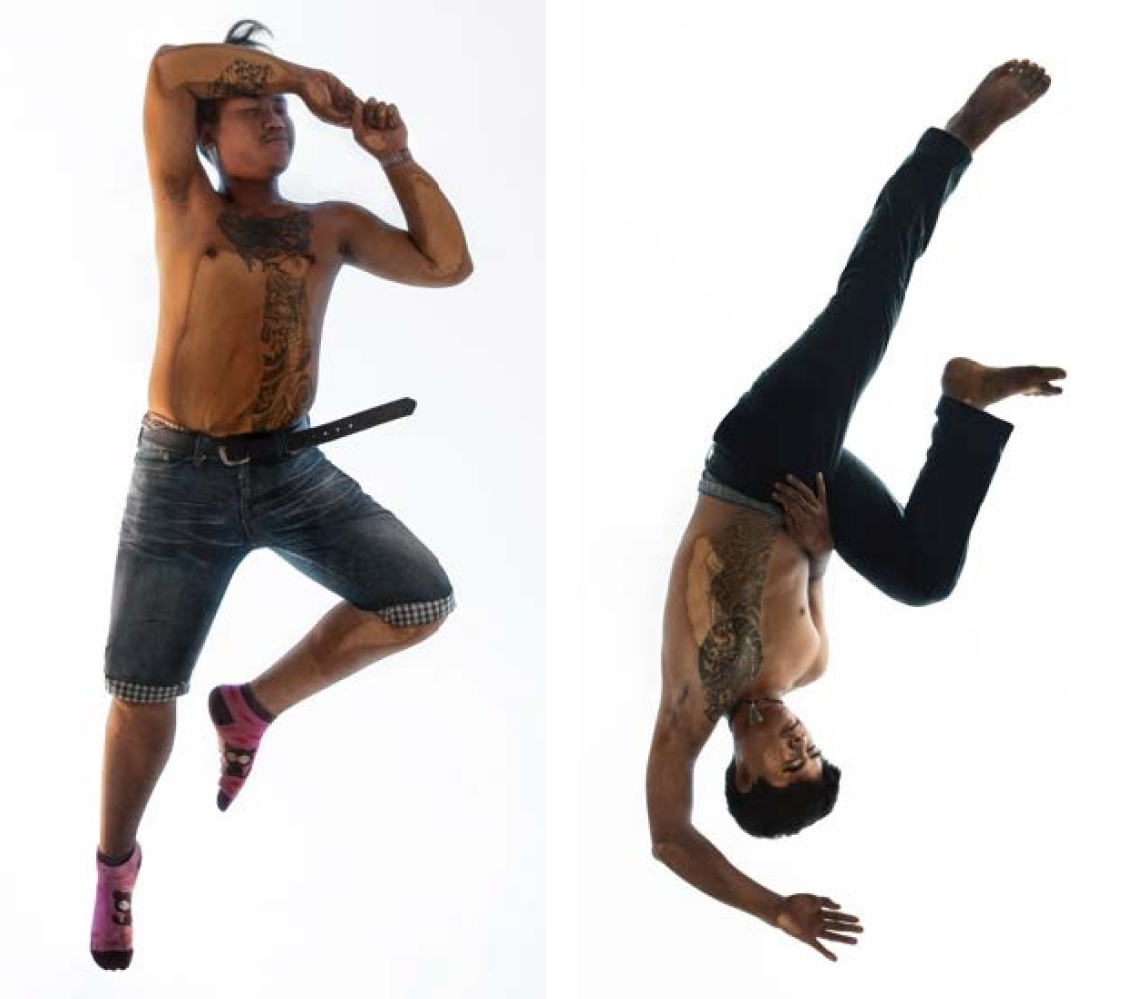
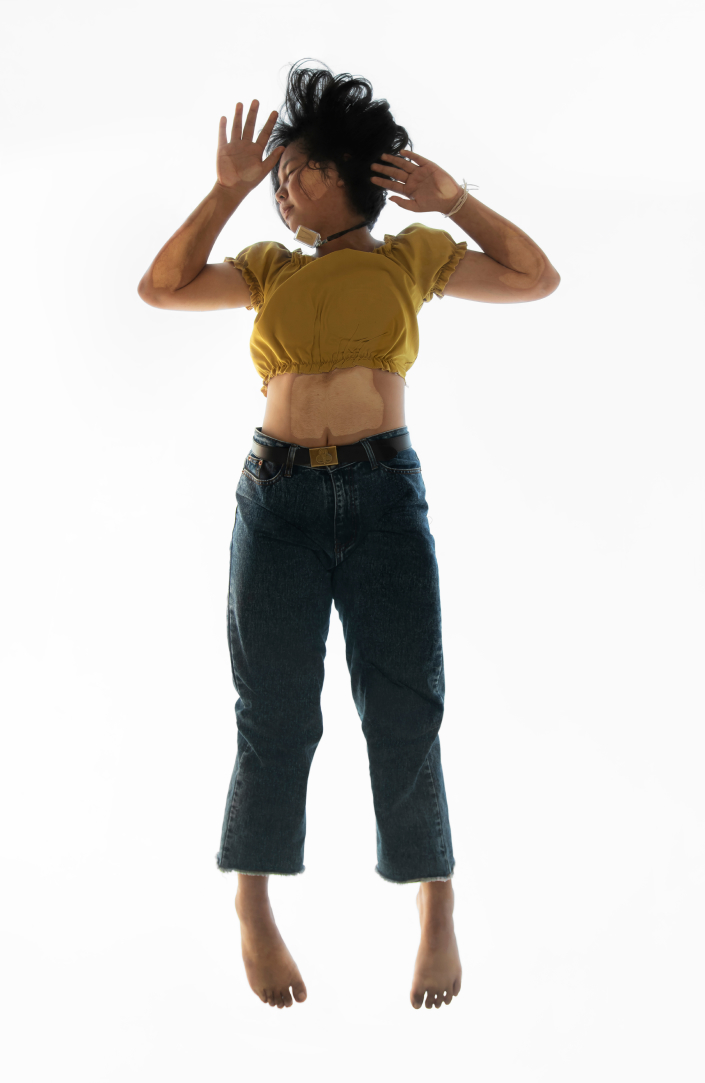
by artists as a tool to represent thoughts ideas, and reflect different views according to each era. And to study the development of the use of photography in the visual arts as well as the perception of aesthetics in contemporary photography. This boundary of change in the way we look at beauty is known as the ” turning point of aesthetics”. Artist Ana Mendieta created the series “Untitled” in 1972. The work’s appearance showed the artist’s image where the face was pressed against the plane of the mirror in different perspectives to arouse and reflect the suffering of the body as a female status. Mendieta’s face is distorted in varied images, just like expressing thoughts through physical photography that oppose and deny others who gaze and judge themselves.

Conceptual Photography was defined after the 1960s from the formation of a group of artists to create artworks that emphasized and stimulated the thoughts of the audience. There was a movement of artists who created artworks called post-modern art. The artist creates thought-provoking art through events, live performances, media art, sculpture, painting, and photography as the medium by which artists express themselves. In a research study in the research project entitled “Conceptual art creation process through photography media” , the study of photography in the context of the visual arts medium was used

The process of expressing thoughts by using the plane of the mirror and the effect that showed the distortion of the face was born from the concept of a modular identity, in terms of race, gender, and age. It is an interesting form of expression for communicating and explaining the unique symbolic connotation of artist Ana Mendieta (Moma, 2021). In addition to the study of the works of the artist. The process of research also studies the history of moving photography between 1886 to the present. Using the body as a symbolic representation of the meaning.Searching for an understanding of symbols in the history of contemporary art. The information that the researcher has studied and researched opens up new possibilities for creating 3 conceptual photography. Demonstrates the process of creation of works, the development of ideas, the form of photography, and the aesthetics that arise from the creation of thoughtful photography.

Finally, the photography is taken during the creative process of the research project. It is considered a model in the creation of conceptual photography. The process of creating photography works can take place in a variety of ways. The researchers hope that the research studies that lead to this art will benefit those interested in the visual arts and art students. And hope the art series “Slumber” will create unique styles and aesthetics in different cultural contexts and open up new opportunities in art as contemporary art.

Conclusion

The research project entitled “The process of creating conceptual art through the photography.” had been studied and ascertained by the researcher from sorts of information to analyze and find ways to create photography and including creating new forms from the scope of content and social issues that have arisen from the past to the present. This visualization process has invited new interpretations of the concept of photography to be a communication tool that expresses thoughts upon problems occurring in society through language and theartistic symbols hidden in photography. The artistic tactics in this work have encouraged viewers to watch, question, and find out the meaning in their perspectives.

Objectives Aims or Purposes

  1. To research and develop the process of conceptual photography.
  2. To apply the knowledge gained from research to develop concepts to convey the
    meaning of photography as contemporary art.
  3. To study the interpretation process of conceptual photography as a visual language
    that stimulates the perception of the audience

Process or Methods

  1. Pre-production Stage
    1. Study the history of photography and the development of photography
      Photography History
      – Pictorialism Photography
      – Modern Photography
      – Post-modern Photography
      – After Post-modern Photography
    2. Study from thought-provoking artists who create works through photography. Contemporary Artist & photographer
      – Andreas Gursky
      – Nobuyoshi Araki
      – Nancy Goldin
      – Wolfgang Tillman
      Conceptual Photography
      – Jeffrey Wall
      – Ana Mendieta
    3. Study the principles of Value of visual art.
      – Aesthetic Value
      – Content Value
    4. Identify content issues in “The body in contemporary art” by Sally O’Reilly
      – Representation and Presence
      – The Body in Time and Space
      – Difference and Solidarity
      – Nature, Myth, and Technology
      – Monstrous Bodies
      – Over to You
    5. Analyze the theoretical data from the components of the creation as follows:
      6.1.5.1 Analysis of conceptual photography.
      6.1.5.2 Analysis of thought processes in Visual Art.
      6.1.5.3 Analyze content issues.
    6. Synthesize data to design processes for creation and drafting.
    7. Develop an idea from a draft and set the sample group according to the
      concept of creativity (Vanz Boy and Skoy Girl, 9-12 persons)
    8. Summary of information for production preparation
    9. Prepare equipment and structure for photo shooting.
  2. Production stage
    1. Survey the area before photo shooting.
    2. 2.2 Assemble the structure of the set for filming and test the strength of the
      structure before shooting.
    3. Guidelines for photo shooting per specified sample group.
    4. Photoshoot according to the plan.
  3. Post-production Stage
    1. Retouch the images and color correct to suit the printing process.
    2. Test print before printing all works.
    3. Install the photos in the lightbox.
    4. Installation design for exhibition.
    5. Make a questionnaire for the audience who viewed the artwork.
    6. Analyze the results according to the stated objectives. Bring the evaluation results from peer review and the audience to analyze the photography in the research project.

Techniques and materials

Fabric Print, LightBox, Installation

Size or Mins.

60×120 cm.