Categories
Showcase 2022

Yang Kuei-fei: a face that would make all flowers feel shameful

<span data-metadata=""><span data-buffer="">Yang Kuei-fei: a face that would make all flowers feel shameful

<span data-metadata=""><span data-buffer="">Asst.Prof. Lojana Manodhaya

Introduction

Yang Kuei-fei, also known as “A face that would make all flowers feel shameful” was a woman born during the Tang Dynasty. She is regarded as one of the four most beautiful women in Chinese history. Yang Kuei-fei’s life was as riveting as a fairy tale, facing its heyday to its peak. But the end was tragic as she was forced to hang by Tang Xuan Zhong the Emperor, her most beloved consort. Many people from the past to the present have brought her biography to create a play. and movies that have been produced over and over again. Her beauty has also influenced and inspired many painters from many eras to the present day who have painted many of her pictures.

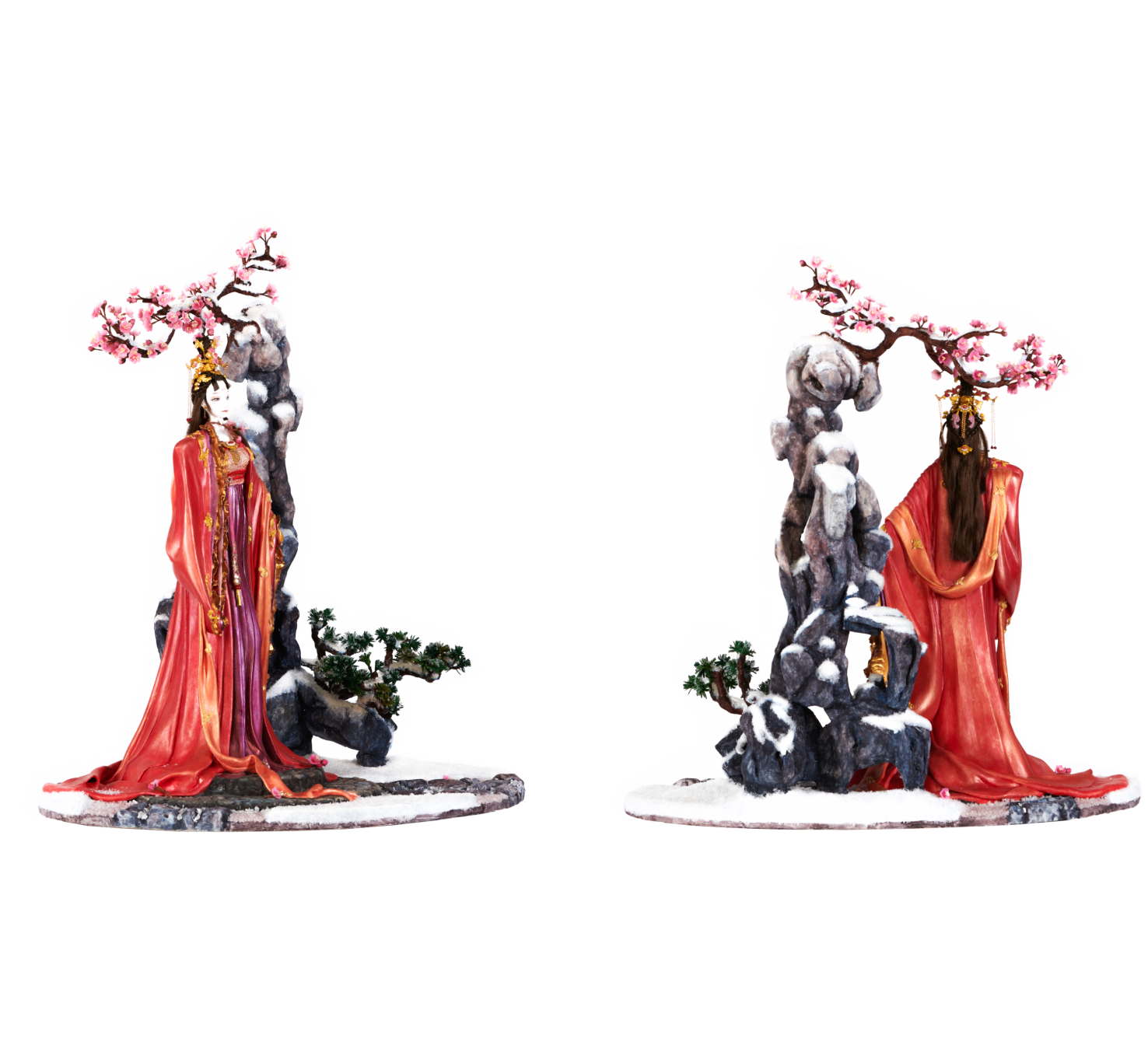
I am also one of the people who were so impressed with the story of Yang Kuei-fei that led me to be inspired to create a 3D work titled “Yang Kuei-fei: a face that would make all flowers feel shameful”. By studying biographical information from books and websites, women’s paintings and clothing styles of the Tang Dynasty were studied, including paintings that modern painters have drawn Then create a new one according to their imagination. By creating an image for Yang Kuei-fei to have the appearance of a dignified woman, wearing beautiful clothes standing among a rock garden decorated with pines, plum blossoms are in full bloom. On the ground was a pile of white snow all around.

Techniques used to create this work are sculpture and painting methods using paper clay as the main material, Thai clay, and synthetic materials such as foam, doll hair, artificial gold necklaces, artificial snow, and glass sand as components. Successful works that are complete, beautiful, and have artistic aesthetics as intended.

Conclusion

This work “Yang Kuei-fei: a face that would make all flowers feel shameful” presents the contents of Yang ‘ Kuei-fei‘s imagination that she is a beautiful woman. Her face was filled with happiness as she had received a lot of love from her husband. So her life was filled with dignity and fortune that flowed endlessly. But, tragically, she could not know her fate at the end of her life she had to flee from the rebels in horror until an unexpected end.

In terms of shape, use of color, and symbolic media because the content is about presenting Yang Kuei-fei’s image as imagined. Therefore, then made a picture of her in her youth, and has a beautiful smiling face. The clothes that were worn were bright red with gold patterns. The red color represents good luck and love. The magenta and gold, meanwhile, conveyed aristocracy and extravagance which suited her personality. The surrounding atmosphere represents winter. which despite the pine and the plum blossoms in full bloom stood among the white snow that symbolized strength. and longevity cannot escape destiny Therefore, in this work, a lot of curved lines are used. From the way Yang Guifei’s arms were placed, the flower branches, the pine branches, and the arrangement of the rocks, there was also a downward curve to convey the tragic events of the future.

As for the use of paper clay molding techniques, it can respond to creative works very well with features that are easy to shape. Able to fabricate work to be complex, delicate, and also able to paint over the work surface easily. They can also bring finished materials such as artificial gold necklaces. Or other synthetic materials such as doll hair, artificial snow, and glass sand can be decorated to add detail to the work.

Objectives Aims or Purposes

4.1 To present the image of Yang Kuei-fei who is regarded as one of the four beautiful women according to their imagination.

4.2 To develop creative works with paper clay by using sculptural methods to create shapes and paintings to convey emotion and realism.

Process or Methods

study and gather information and analysis articles from the book and webpage, involving Yang Kuei-fei on the biography, appearance, behavior, and dress characteristics of the Tang Dynasty to inspire the development of the idea of drafting. There is a process of using the composition, the use of colors, and the meaning of the colors. and the meaning of trees and flowers in the works Then enter the creative process

Techniques and materials

Technically, the sculptural method was used to create shapes. together with the method of painting to convey emotion and realism
Materials: Paper clay is used as the main material for creating works, foam, glass bottles, and wire are used to form structures; Thai clay is used for jewelry making. and made in the pine bonsai part The bonsai of the plum tree, plum blossom, doll hair, artificial gold necklace, artificial snow, and glass sand were also used to decorate the details.

Size or Mins.

34.5 x 50.5 x 54 cm.

Categories
Showcase 2022

The Aesthetic of Imperfection

<span data-metadata=""><span data-buffer="">The Aesthetic of Imperfection

<span data-metadata=""><span data-buffer="">Mrs. Lalita Seemontara

Introduction

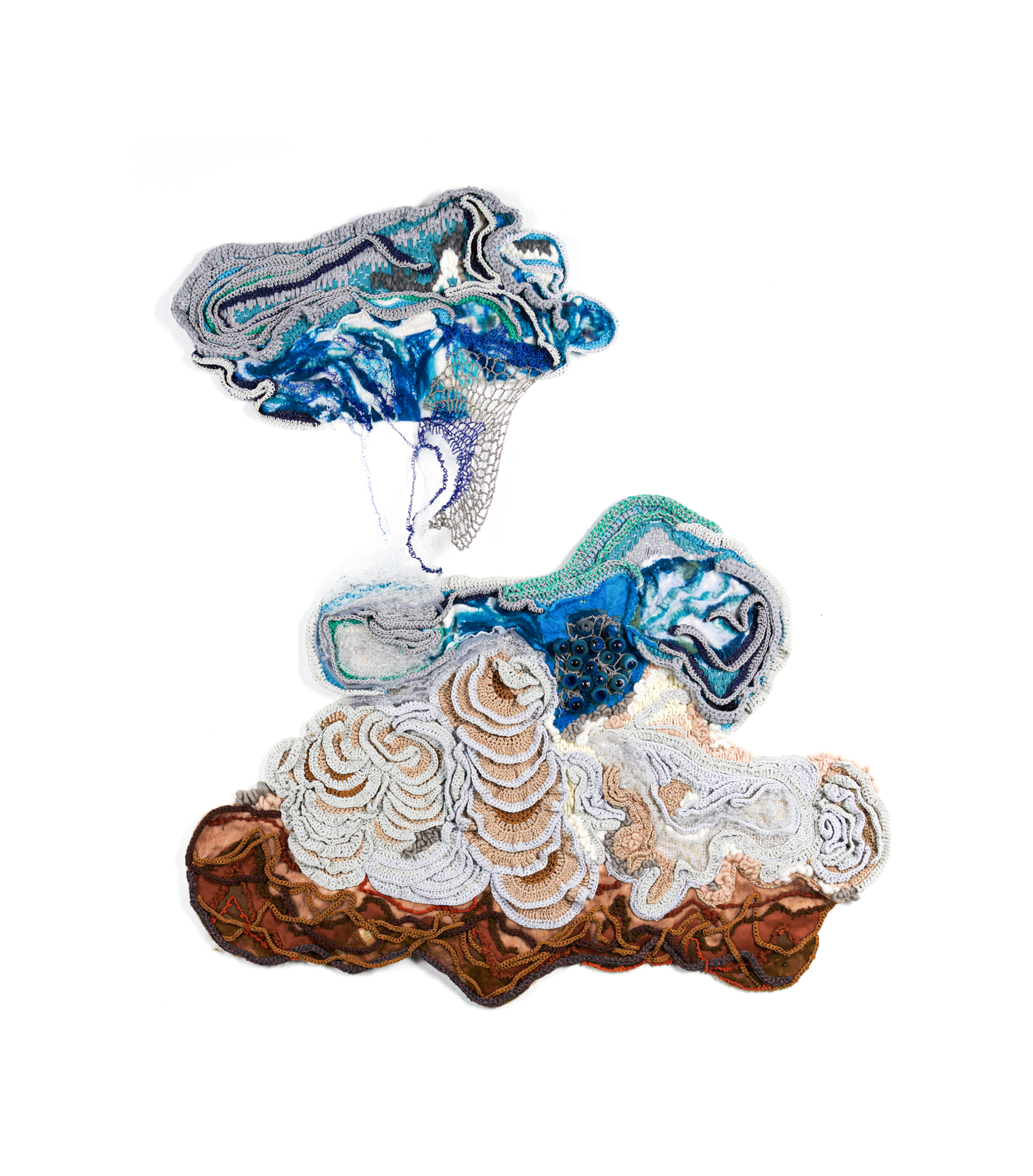
The inspiration for my artwork comes from the natural and man-made features of places I have visited and photographed. The beauty of both man-made structures and natural geological formations is reflected not only in the perfection of their appearance, but also in the imperfections arising from the passage of time. These imperfections are beauty of a different sort, formed by deterioration and erosion caused by the elements, the changes of seasons and other forces of nature. The inspiration for this artwork came from photos I took during a visit to Niagara Falls (U.S.A.) in April 2018. Nature has created majestic beauty in the mass of water plunging with force and energy over the cliffs in a straight line to the depths below. At the time of my visit, the ice and snow of winter still had not totally melted. The ice-covered soil on the frozen riverbank formed interesting and beautiful colors. The combination of melting ice, snowflakes, and complexity of soils depicted in my photos created a beautiful contrast of colors and dimensions in the foreground and background. The impressions from these photos inspired me to create my artwork.

As a textile design lecturer in fashion design department, I study the work of fabric design and also look to the works of other fashion designers. From these studies, I discovered mixed-media techniques that have been used in haute couture from 2000 to the present day. These techniques can transform flat, two-dimensional fabrics into textured, three-dimensional creations. Using these techniques, designers can create an unlimited range of artwork by blending materials and employing a variety of processes such as printing, painting, weaving, knitting, quilting, patchwork, and embroidery. For this reason, I am interested in experimenting with mixed-media techniques to further my classroom teaching in experimental textile design courses.

In my previous creations, I studied making fabric from wool using felting technique. I found that this technique can create a wide range of artwork in two and three dimensions. It can also create artwork with textures by combining different materials into the fabric, such as felting wool onto other natural fibers. In this artwork I have created, I chose to use chiffon silk. Felting techniques can also be used with certain fibers that acquire adhesive qualities after processing, allowing these fibers to cling to themselves and become fabric without weaving. I experimented and chose to use multicolored marbles with felting techniques in order to create 3-D shapes. Besides felting techniques, I also chose to combine crochet and embroidery to create a wider range of works.

Conclusion

From experimenting with various techniques, I found that by using materials other than fabric to make feltings, the work can be formed into shapes according to the materials that have been used. In the case of this work, I have chosen to use 2.6 centimeters. marbles. Therefore, the prototype that I brought has portions with a three-dimensional round texture. Wool fiber has special characteristics that are different from other fibers. Wool fibers, after being processed, can cling to each other and transform into a piece of fabric without being woven. Besides clinging to each other, wool fibers shrink during the process. Therefore, it requires a size assessment before beginning the process. The size should be 50% larger than the size desired in order to avoid any errors. The process of making the artwork takes longer than usual because it uses material other than fabric. The selected material was synthetic and solid. The fiber itself cannot be inserted through such material. This piece formed its shaped due to the material that was used in the prototype.

Objectives Aims or Purposes

  1. To create textile art with various materials and dimensions
  2. To express the beauty of imperfections in nature through textile art.

Process or Methods

  1. Create sketches and line drawings of Niagara Falls from the photos I have taken.
  2. Divide the work into two parts: the body of the waterfall and the surface of the water that
    was still icy and covered with unmelted snow. Consider what techniques to use to create
    the work from the draft.
  3. Start first with the portion showing the surface of the water with ice and unmelted snow. Use crochet techniques with colored yarn of different sizes. The reflection of
    sunlight on snow uses clear threads, as well as translucent and reflective materials. The
    surface of the water uses felting techniques combined with crochet and embroidery.
  4. The body of the waterfall uses felting and crochet.
  5. Other details can then be applied.

Techniques and materials

  1. Felting techniques
  2. Crochet techniques
  3. Embroidery techniques
  4. Wool material, varieties of yarn, silk chiffon, marbles

Size or Mins.

–

Categories
Showcase 2022

Therapeutic Cactus

<span data-metadata=""><span data-buffer="">Therapeutic Cactus

<span data-buffer="">Mrs. Lalita Seemontara<span data-metadata="">

Introduction

During the time of the COVID-19 epidemic, it has caused many different impacts on human society including Thai people as well. Many have lost their jobs, lost their income, or went bankrupt. Many have lost their loved ones without even saying their final goodbyes. As many things happened, fear and anxiety took over the mind. Therefore, humans must try to find ways to relax and adapt. To reduce unwanted stress or anxiety. Many people find a way out by doing mentally relaxing activities such as cooking, planting trees, etc., Cactus is another alternative plant that people grow during the COVID-19 outbreak. That allows the growers to relax with a small plant that looks strange with many species. There are different shapes depending on the species. Some species stand out with beautiful flowers. The result of seeing the cactus grow and thrive is satisfying. Human body releases pleasure substances that make the body active. concentrate more and reduce anxiety.

The name “Cactus” comes from the Greek word meaning thorny tree. It is a plant that is native to most of South America. due to having to face dry weather all the time. The inside of the cactus’s stem resembles a sponge to absorb or retain water. The stems are often ribbed or fluted to allow them to expand easily to help absorb water quickly after rain.cactus is a leafless plant to reduce transpiration thus evolved to reduce leaf shape to thorns to reduce transpiration through the leaves. The thorns also act as a barrier from insects or animals that wiling to drink water from the stems.Because the inside of the cactus is like a sponge that absorbs water. The trunk is cylindrical, tall, long, similar to a baton or round, including flat oval, etc

For fashion creative approach. This project aim to emphasise the beauty and strength of
cactus using the shape of the trunk both outside and inside. The outside is full of texture and
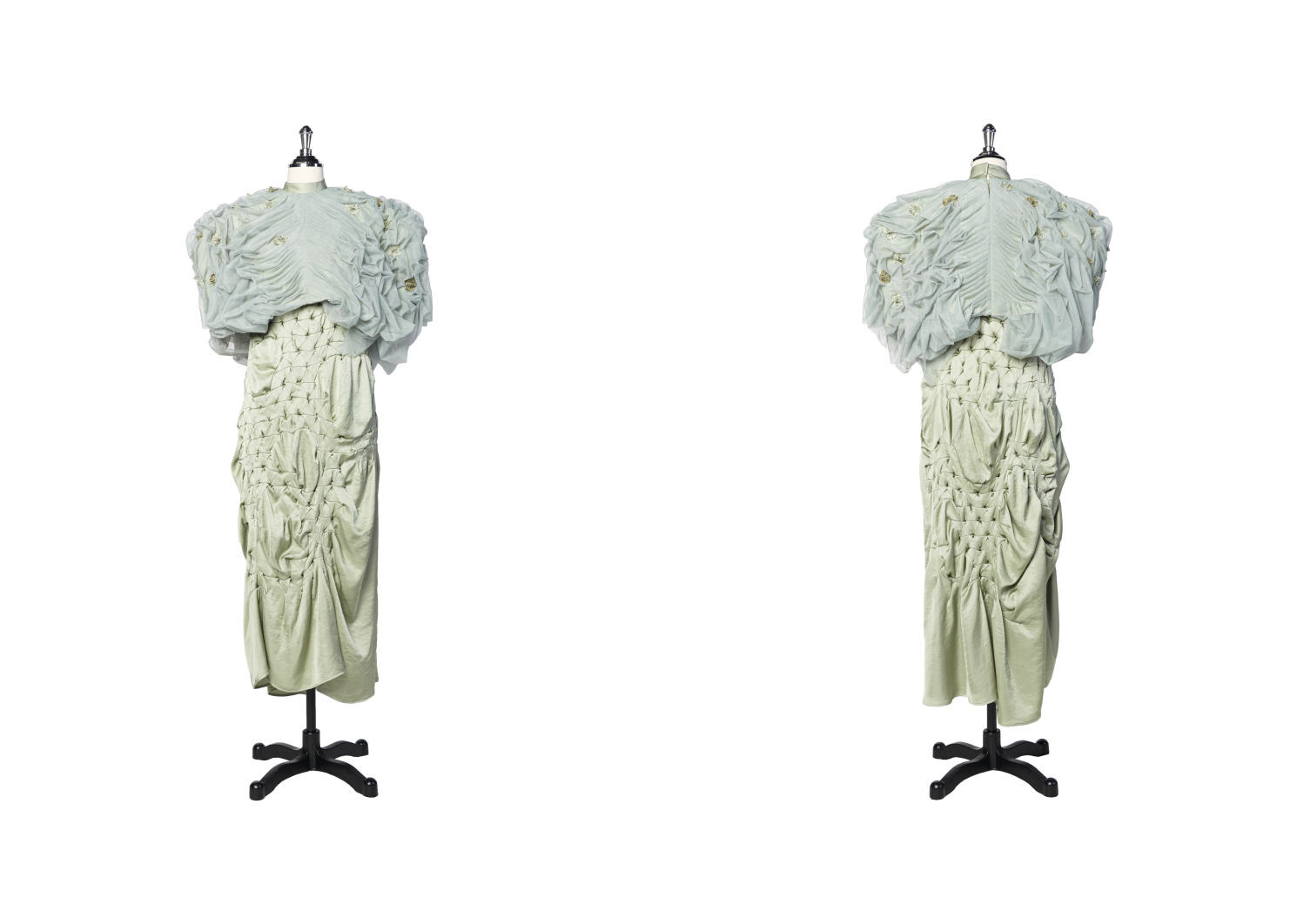
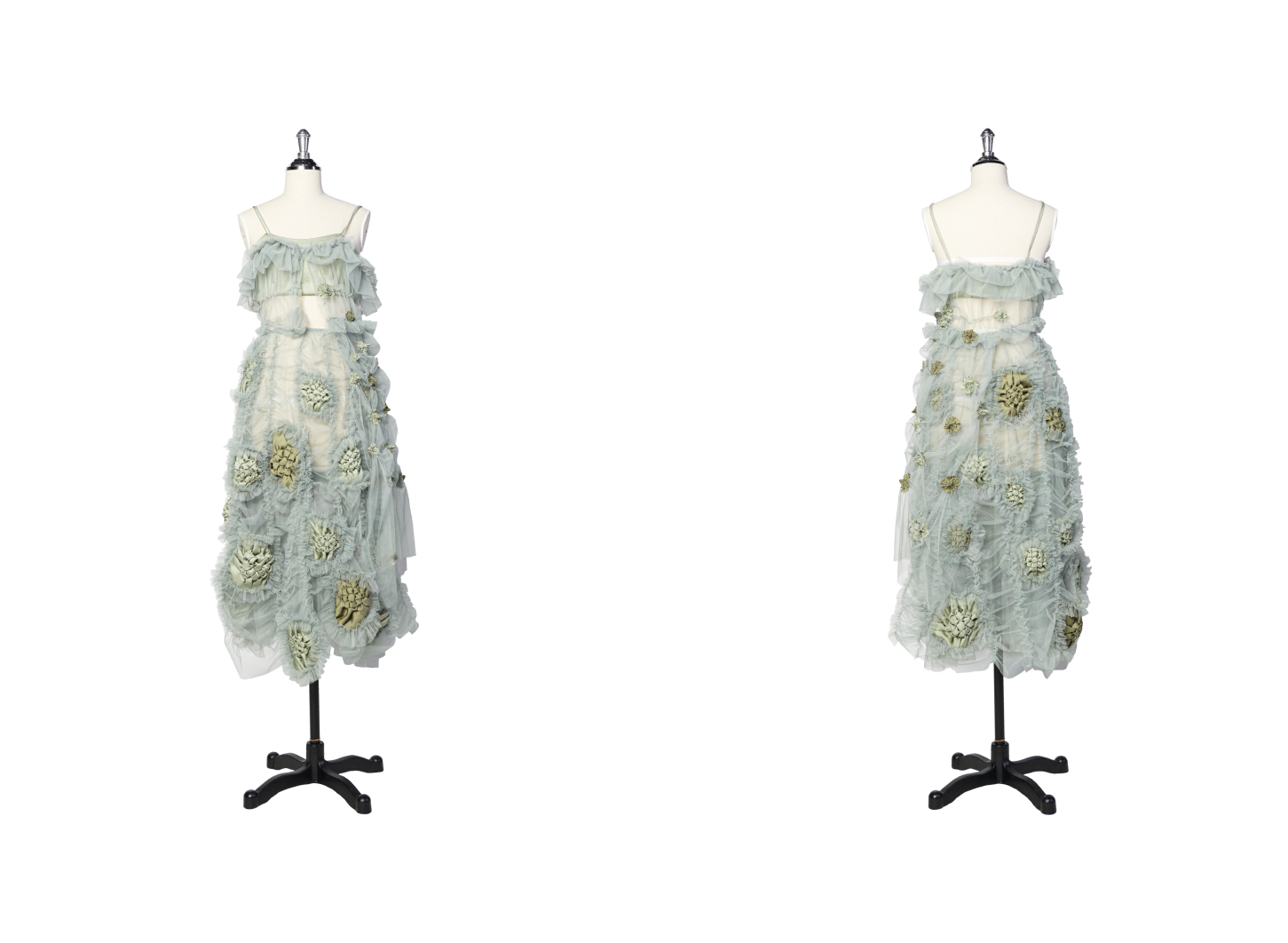
shape which germinated in various forms. The inside showing layers and resilient of tissue within the stems. Blooming cactus flowers adding beauty aesthetic. The nature of creating a shield to protect themselves from the environment in terms of weather conditions, hot terrain and various herbivorous insects. Various technique are use to create a form of clothing and manipulate the garment. The presence of a hard shell on the outside as well as thorns that shield the soft skin on the inside. This is like a human skin that is a defense for the skin and various organs within the body as well.

Conclusion

Inspired by cactus, a plant popularly grown to reduce stress during the COVID-19 pandemic, researchers look through the growth process of cactus that form a protective shield.

Also evolve yourself to survive the conditions of arid climate, including insects or animals that will eat the trunk. Just as we humans are recruiting things to comfort our minds and build our own defenses against stressful and fearful states from the epidemic situation. Using a fashion process to create various shapes and textures, growth processes, the defense against the various environmental conditions of the cactus are combine to create this works.

Objectives Aims or Purposes

  1. 5.1 To create fashion works inspire from the positivity of growing cactus which is a hobby to reduce stress and anxiety
  2. 5.2 To study the physical characteristics of the stems, flowers, thorns of cactus as well as their defense against arid and herbivorous nature.
  3. 5.3 To study fashion techniques by using various physical characteristics of cactus to create new surface techniques
  4. 5.4 To develop the potential by learning techniques and methods of creating fashion works that are consistent with teaching and learning and will be useful for understanding and applying in the further development of teaching.

Process or Methods

  1. Study the growth system of cactus both outside the stem and inside the stem. including the way cactus creating a shield to protect themselves from the weather and the environment , outer trunk shape, Different forms of cactus in each species, also cactus flowers and thorns.
  2. Explore fashion techniques that can be used to create new textures from cactus.
  3. Take the idea that has been analyzed to create the work. including the form of Cactus that are cylindrical, round, bushy, flat, oval, free germination that create new forms. A cross section or a picture viewed from above will give it a herringbone.
  4. Creating works starting from a 3D shape experimental sketch, experimenting with surface techniques. such as smocking, pleated dart, patchwork, etc. Also create muslin fitting before leading to the actual production.
  5. Analyze problems in both form and fabric surface techniques to develop and create actual creations

Techniques and materials

Techniques

Fabric Print, LightBox, Installation– dart stitching, which is usually used to sew clothes to shape the body But when designed in different shapes to connect or attaching, It can create a 3D shape similar to a shape of a cactus trunk.

– Smocking (Canadian smocking) Smocking It is a fashion technique that has been found in costumes since the 18th century. It involves hand sewing by holding the fabric from one point to another to form various shapes or patterns. Creating volume and flexibility from flat fabric and forming into various shapes or patterns to mimic the texture or shape of a cactus.

– Patchwork, is the cutting techniques create from difference fabric stitched together to create various patterns, often in geometric shapes. This work has brought the fabric to sew both techniques and smock first, and then they are intersected with both thick fabrics and thin fabrics to be stitched together to create dimensions To create a protective enveloping
sensation similar to the physical appearance of the cactus plant. With an outer shell wrapped around the delicate skin inside and the interesting 3D pattern from the fabric itself.

– Flowers Arts, To decorated the work with flowers that are fabricated from cactus flowers. It is a flower that shows the beauty in the drought can still be beautiful. Using the technique of heat rolling to get a shape and then assembled into a flower including the patching (Appliqué).

Materials

– Chiffon, a thin and soft fabric that represents the nature of the inner stem of cactus.
– Synthetic fabrics (polyester) the smooth and softness resembling the outer surface of the cactus.

Colors

– The color uses mainly in green tones, which is the color from the cactus. And green is a color that evokes a feeling of freshness, relieve stress and tiredness. Soothe the mind, feeling of nature, growth and fertility.

Size or Mins.

1200Px * 1200Px

Categories
Showcase 2022

The Portrait of Melody No.01 – 02

The Portrait of Melody No.01 - 02

Assist.Prof jinabhadr kantaputra

Introduction

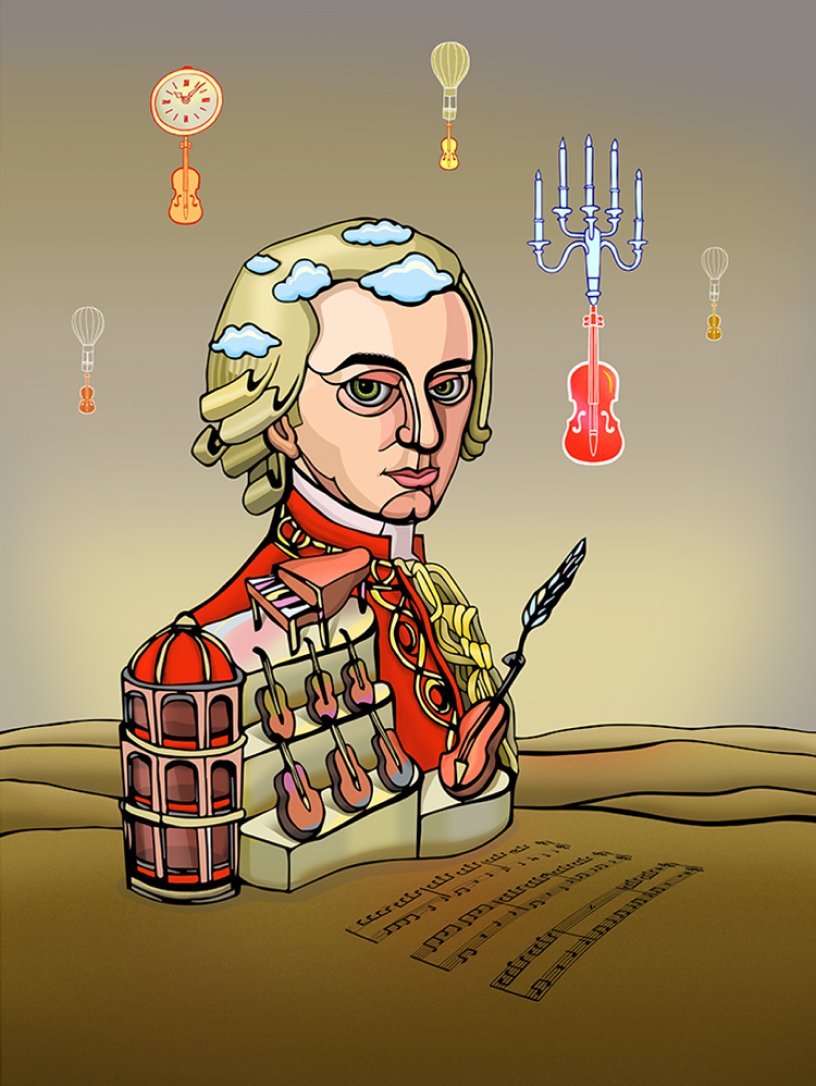
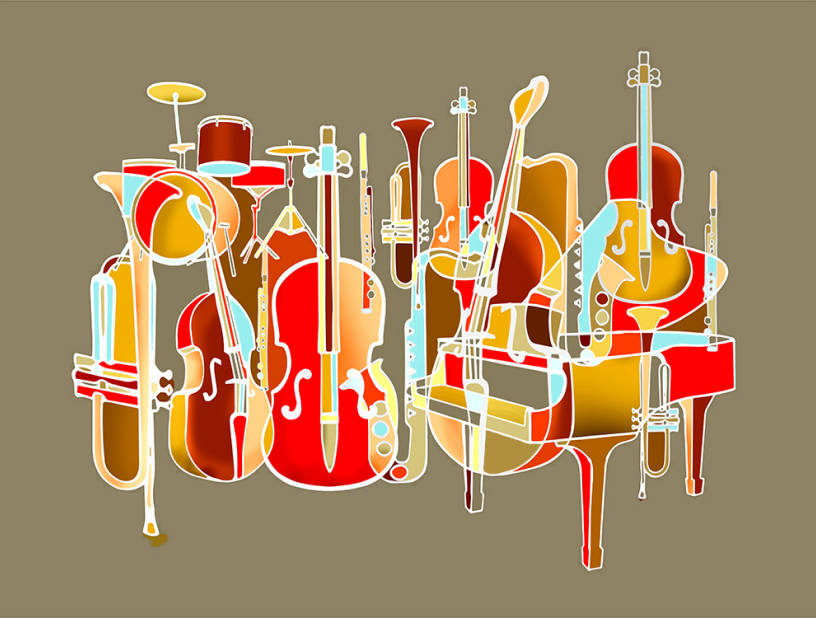
In this time of ‘The 10th Rangsit University International Design Symposium’, I would like to express how pleasant of this classical music into the vision of digital illustration art under the title of ‘The Portrait of Melody No.01’ and ‘The Portrait of Melody No.02’

The Portrait of Melody No.01,
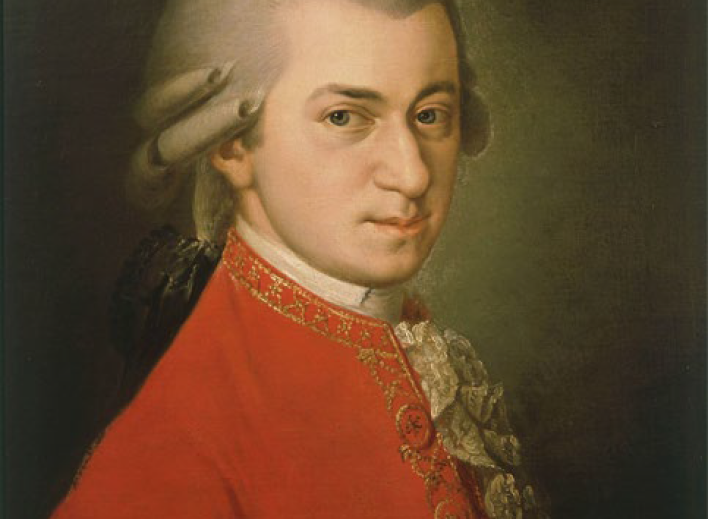
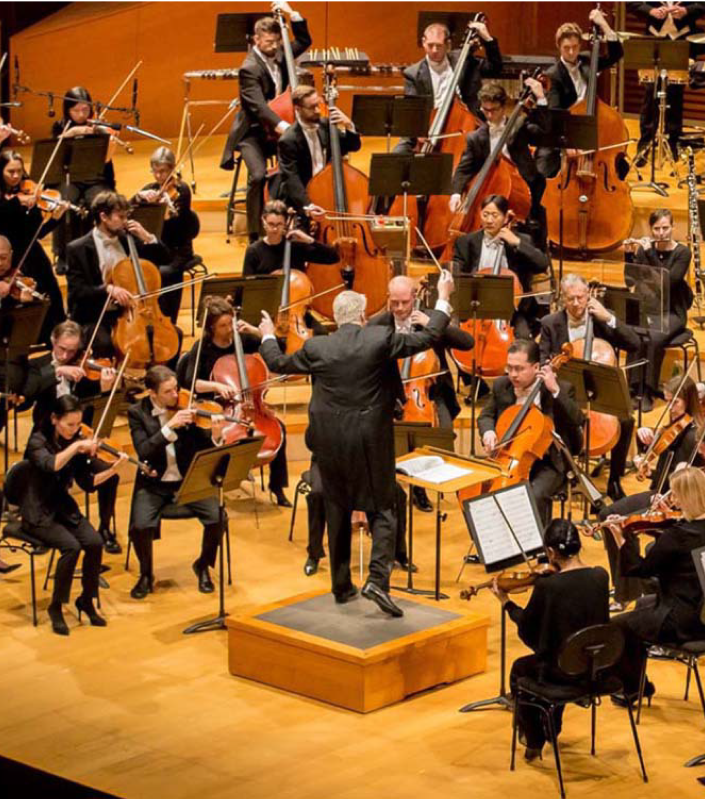
At first, the remarkable classical music composers is Wolfgang Amadeus Mozart. His music is best known for intelligent expressive melody. I really fall in love with his symphony music, The one really impacts me is ‘Allegro moltio, Symphony No.40’. And this music piece gave me the inspiration of creating my art works.

I found Neuroscientist Richard Haier discussed plasticity and debunks the Mozart effect, the notion that human intelligence can be improved by listening to classical music, especially works by Wolfgang Amadeus Mozart.agination,‘
© World Science Festival (A Britannica Publishing Partner) @ Brillannica.com

https://cdn.britannica.com/35/74835-050-F0B71060/canvas-oil-Wolfgang-Amadeus-Mozart-Barbara-Krafft-1819.jpg
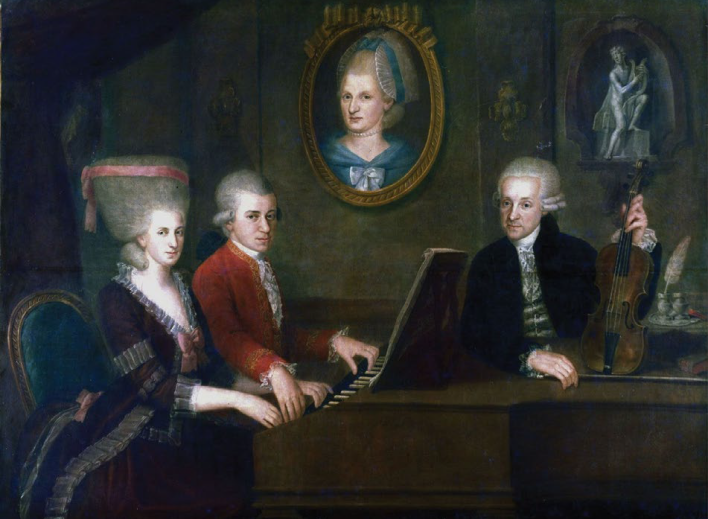
This of Mozart image was cropped from the painting of ‘the Mozart family’. When I saw this elegant painting, I decided to express the visual of ‘The Symphony No.40’ with it.
https://cdn.britannica.com/35/74835-050-F0B71060/canvas-oil-Wolfgang-Amadeus-Mozart-Barbara-Krafft-1819.jpg
The Mozart family: Wolfgang Amadeus Mozart (seated at piano) with his sister Maria Anna (left) and his parents, Leopold and Anna Maria; oil on canvas by Johann Nepomuk della Croce, c. 1780–81; Mozart House, Salzburg, Austria. 140 × 168 cm.
https://cdn.britannica.com/35/74835-050-F0B71060/canvas-oil-Wolfgang-Amadeus-Mozart-Barbara-Krafft-1819.jpg
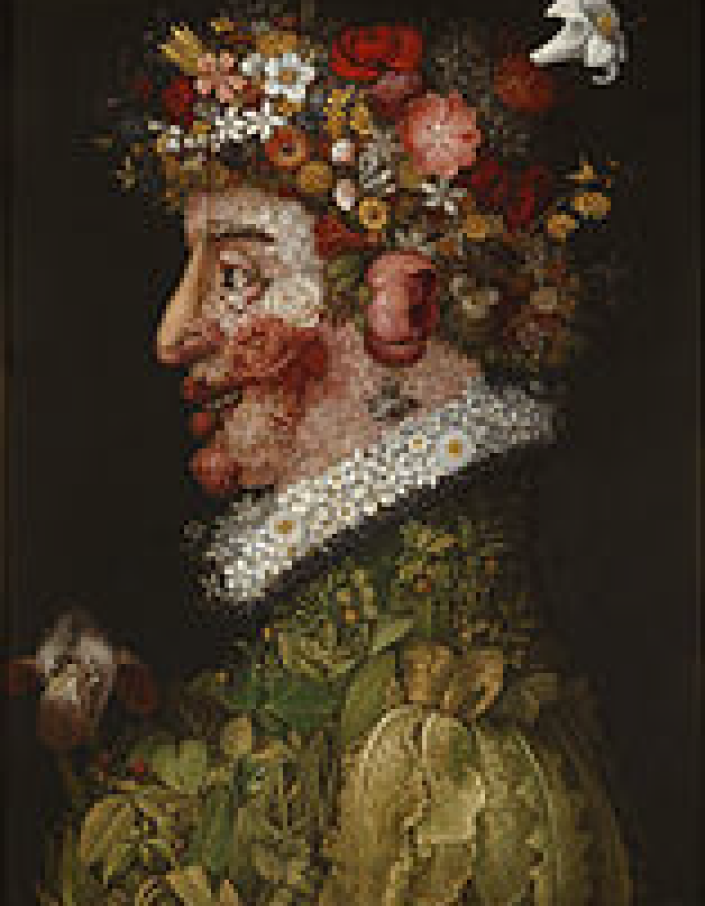
https://upload.wikimedia.org/wikipedia/commons/thumb/9/93/Giuseppe_Arcimboldo_-_La_Primavera_-_Google_Art_Project.jpg/236px-Giuseppe_Arcimboldo_-_La_Primavera_-_Google_Art_Project.jpg

This of Mozart image was cropped from the painting of ‘the Mozart family’. When I saw this elegant painting, I decided to express the visual of ‘The Symphony No.40’ with it.

(He composed several symphonies, concertos (for piano, violin, horn, and woodwind), piano music, chamber music, serenades, divertimenti, marches, dances and masses. His compositions are classed among the best and they are still having an impact on the lives of many musicians.)

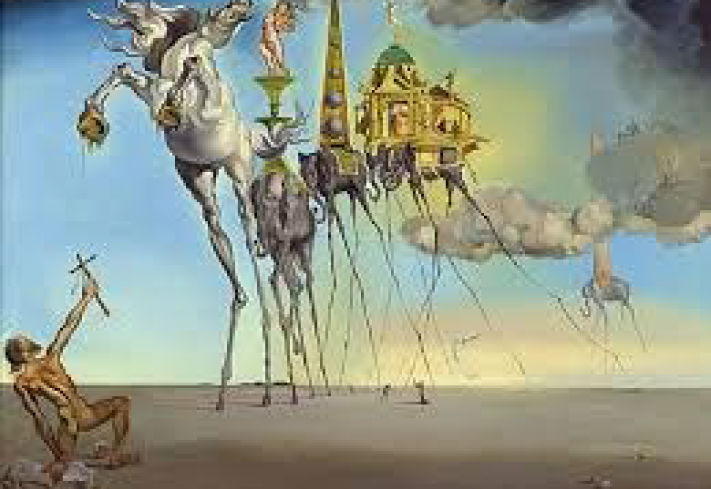
My first art piece is also influenced by 2 artists: Giuseppe Arcimboldo and Salvador Fellip Jacint Dalí interm. I was fasinated in thier paintings which are the style and composition.

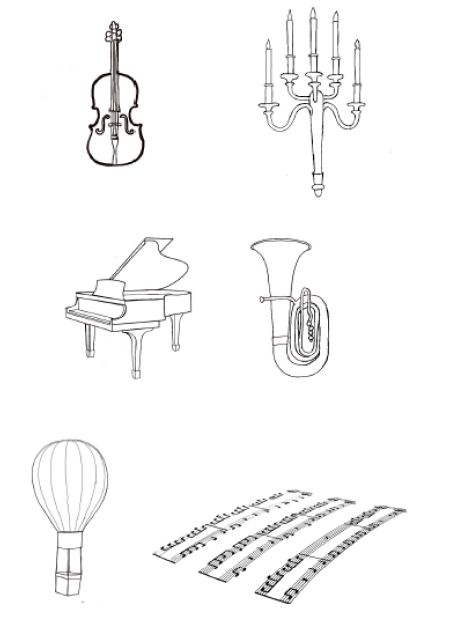
This painting inspired me, then I filled the musical instrument of symphony in the body of Mozart instead of his head as Giuseppe Arcimboldo did with his painting.

Salvador Fellip Jacint Dalí

the paintting of Salvador fassinated me. The serealistic stye of atmosphere in his painting tell the mystry and the great of nature. And I think with this style will present the intelligence of Mozart Symphony perfectly.

https://i.pinimg.com/600x315/c3/53/c1c353c164beb7e0b31f 591711b5f57994.jpg

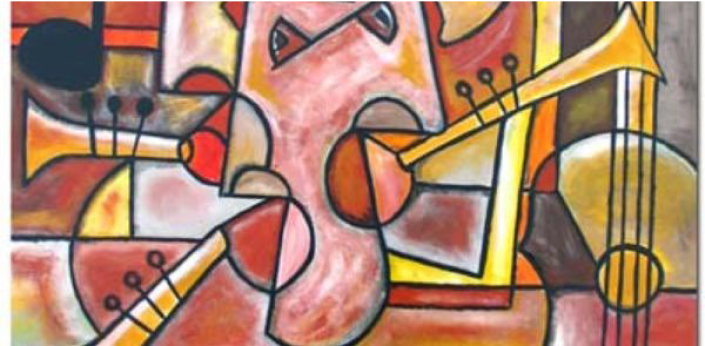
This is the painting of Pablo Ruiz Picasso inspired me. It shows the dimensions of lines and forms of musical instruments. This style is what I want to express my second work of the Mozart Symphony.

Conclusion

I personally love the ways of my illustration’s come out. They can present how intelligent and great of Mozart music is. Finally, these two pieces will be exhibited on the website for the 10th RSU International Deign Symposium. My printed art pieces will be given to the College of Music, Rangsit University.

I hope that my design works will pleasure and inspire musical students, teachers and visitors. It will be useful and would help making the beautiful and romantic environmental in a hall or music room.

Objectives Aims or Purposes

  1. To express this classical symphony music of Mozart into the vision of digital illustration art.
  2. To give these art works to the College of Music, Rangsit University for making the beautiful environmental in a hall or music room.

Process or Methods

  1. Listen to and get inspiration from the music of Mozart, ‘The Symphony No.40’
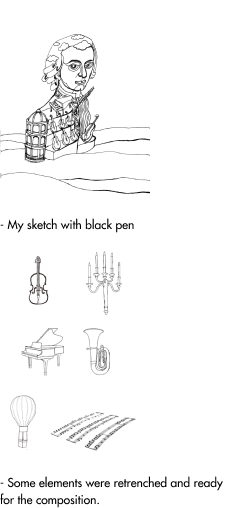
  2. Translate the feeling of the melody into vision of art and do first sketches
  3. Research some paintings and their concepts of three artists and brush up the sketch
  4. Tracing final lines and form with black pen and finish them with Illustration Application
  5. Fill the colors digitally with Photoshop Application

Techniques and materials

–

Size or Mins.

–

The Portrait of Melody No.1
The Portrait of Melody No.2