Obscured Vision
Photography and Media Art
Warintorn Phosai
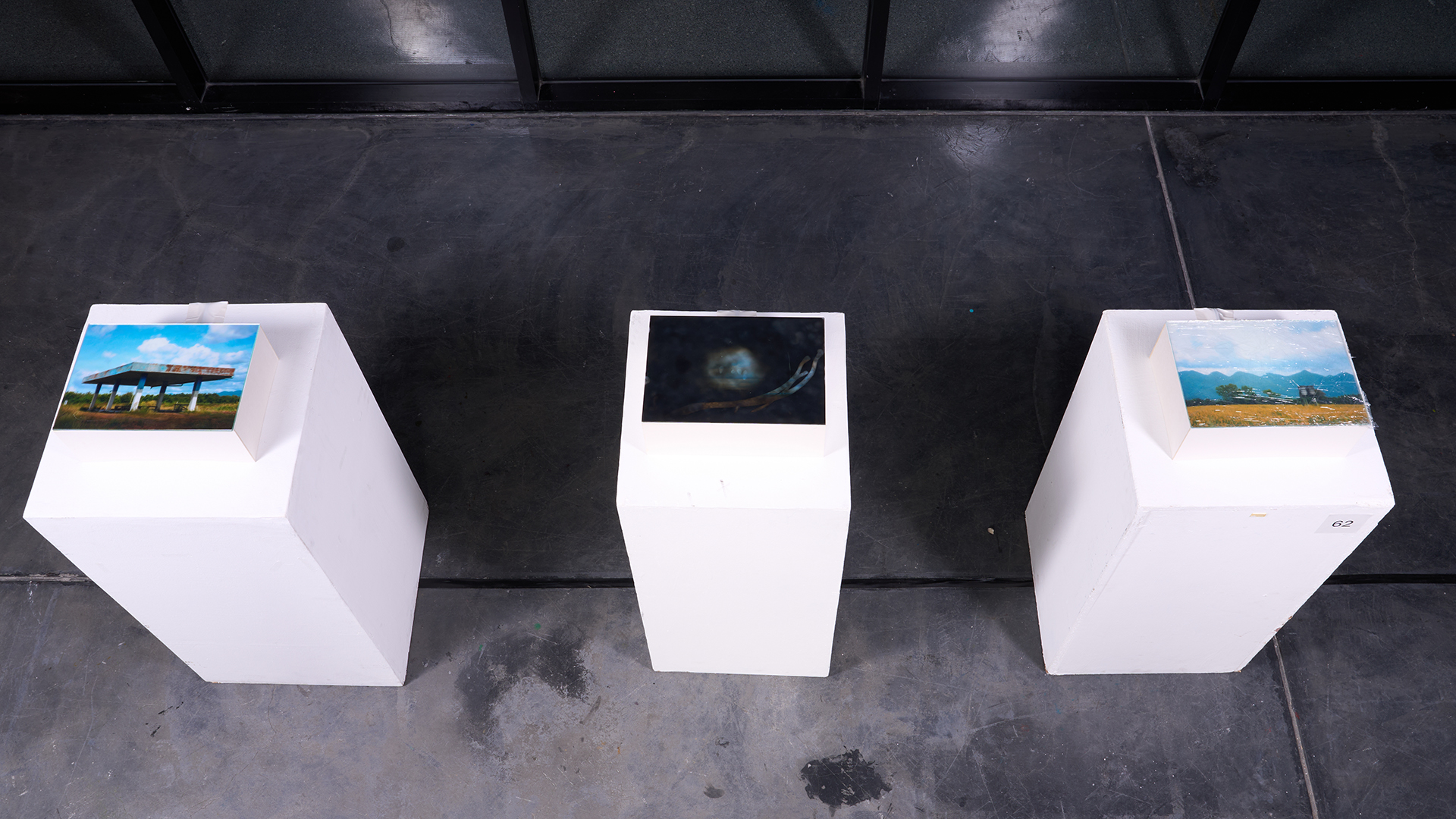
Abstract :
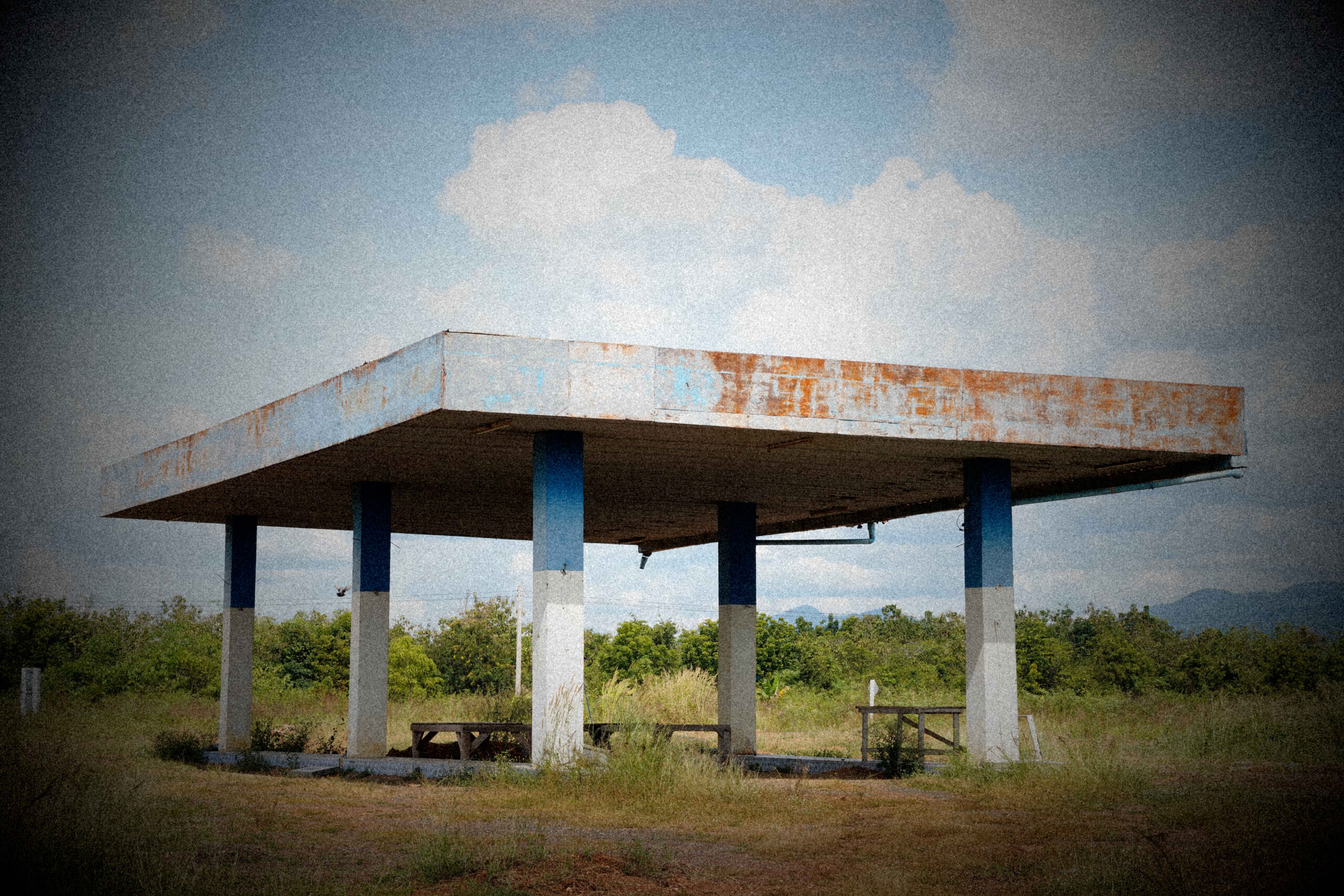
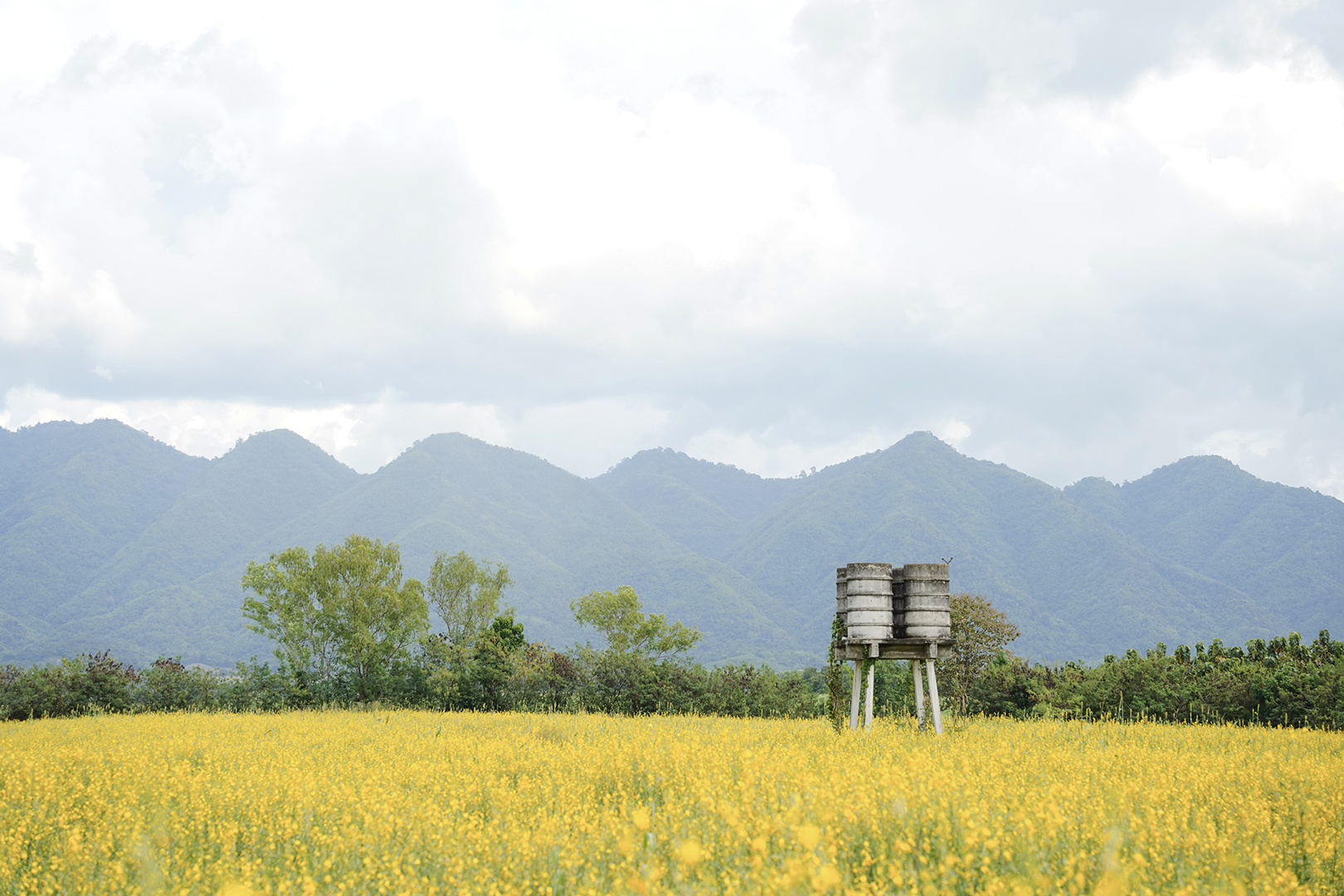
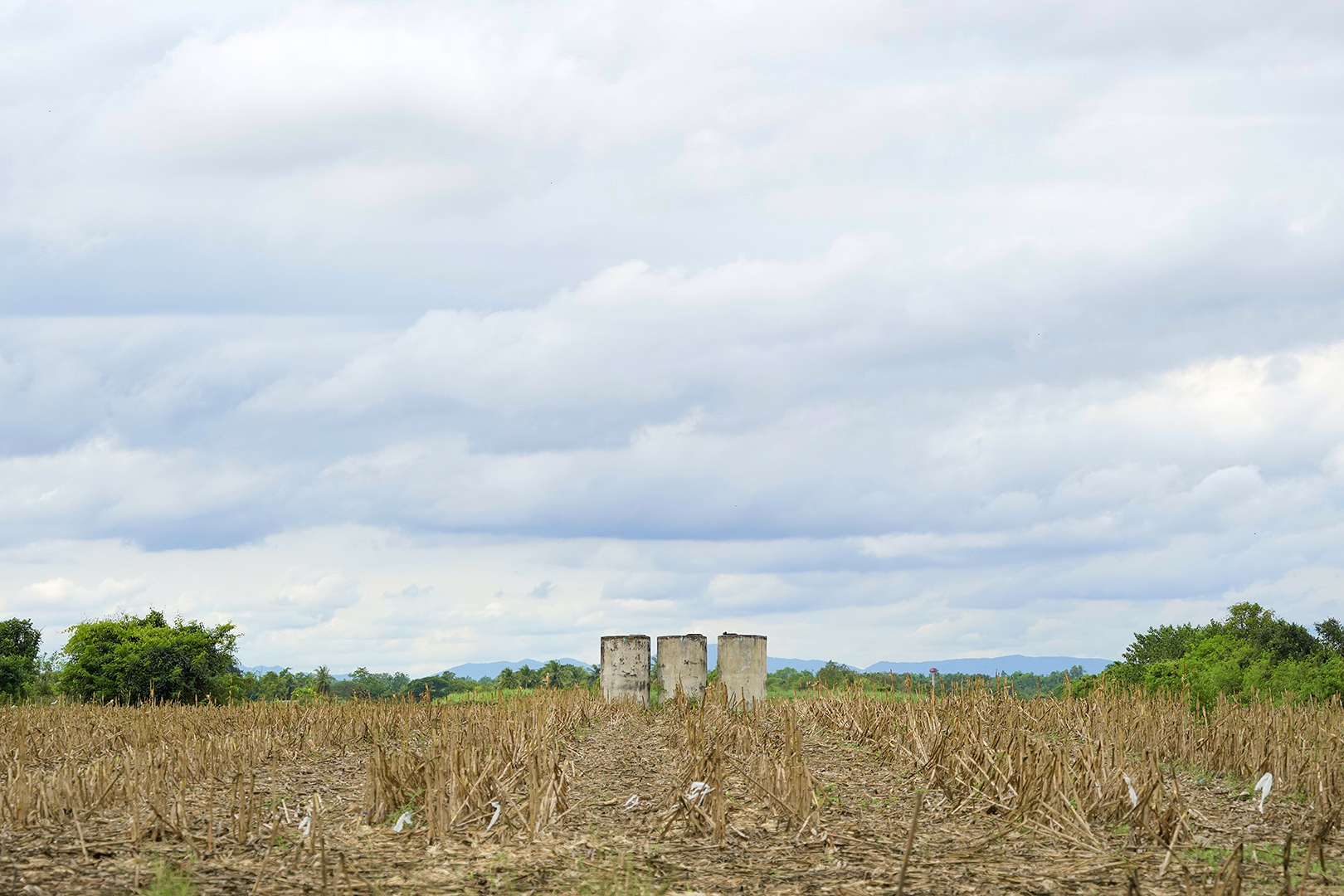
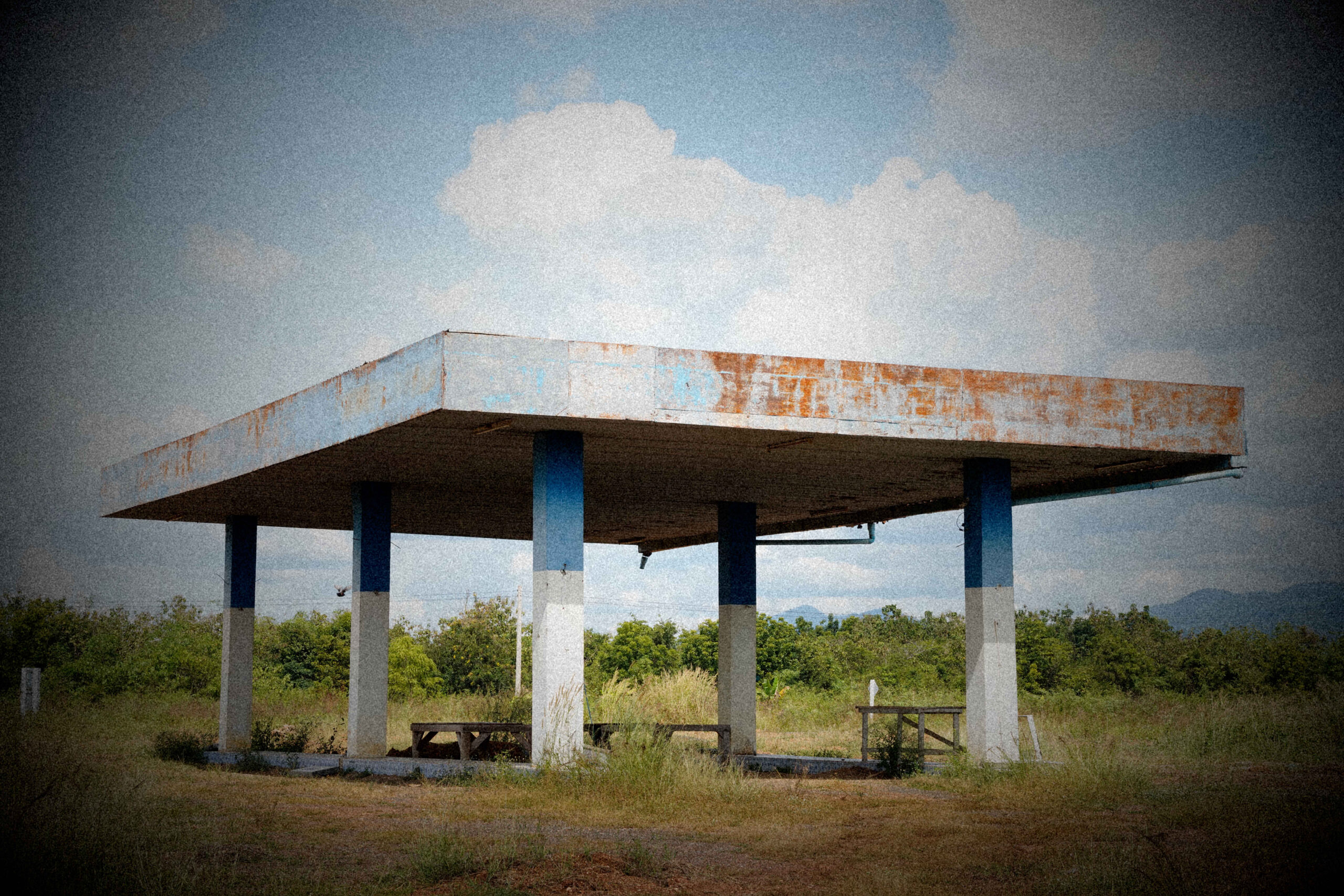
This project represents distorted and obscured visual states through the perspective of vitreous degeneration (eye floaters) and retinal diseases. It interprets “blurriness” or “floating black spots” not merely as physical abnormalities, but as representations of “diminished truth and the space between memory and reality.” This artwork questions the notion that an inability to see a complete picture means the story does not exist.
Objectives :
To convey the experience of disrupted, obscured, or blurred vision through the medium of photography.
To create a space that reflects inner emotions, bodily vulnerability, and human adaptation in the face of changing vision.
To explore the boundaries of the photographic medium in challenging the audience’s perception by simulating the visual perspective of patients with eye diseases.
Conceptual Framework :
The core concept is inspired by the attempt to see an image that cannot be clearly perceived, merging medical conditions with New Topographics photography. Seeing through a fog, fibers, or moving dark spots acts as a barrier separating the external world from the internal mind. This concept seeks to communicate that photography does not always need to record a crisp reality; it can also capture the “Experience of Seeing.”
Process / Methodology :
Research: Studying the physical characteristics of dark shadows or floaters in the vitreous, alongside the loss of central vision caused by retinal diseases.
Photographic Experimentation: Simulating the visual experience using translucent materials, frosted glass, flawed lenses, or multiple exposures (Double Exposure / Multi-exposure).
Selection and Sequencing: Selecting photographs that evoke emotional responses and arranging them to allow the audience to experience a gradual alteration in vision.
Techniques and Materials :
Using frosted plastic sheets, scratched glass, or water droplets on glass to create shadows and floating spots resembling vitreous degeneration.
Applying layering techniques and reducing sharpness to emphasize empty spaces and obscuring shadows.
Result / Conclusion :
The outcome of this project is a series of abstract photographs that draw the audience into a restricted and obscured visual world. This photographic series serves as a bridge of understanding between visually impaired individuals and the general public. Ultimately, the artwork suggests that beauty and meaning are not solely found in perfect clarity; imperfection, blurriness, and darkness can profoundly narrate another dimension of human beauty with equal depth.
References :
–