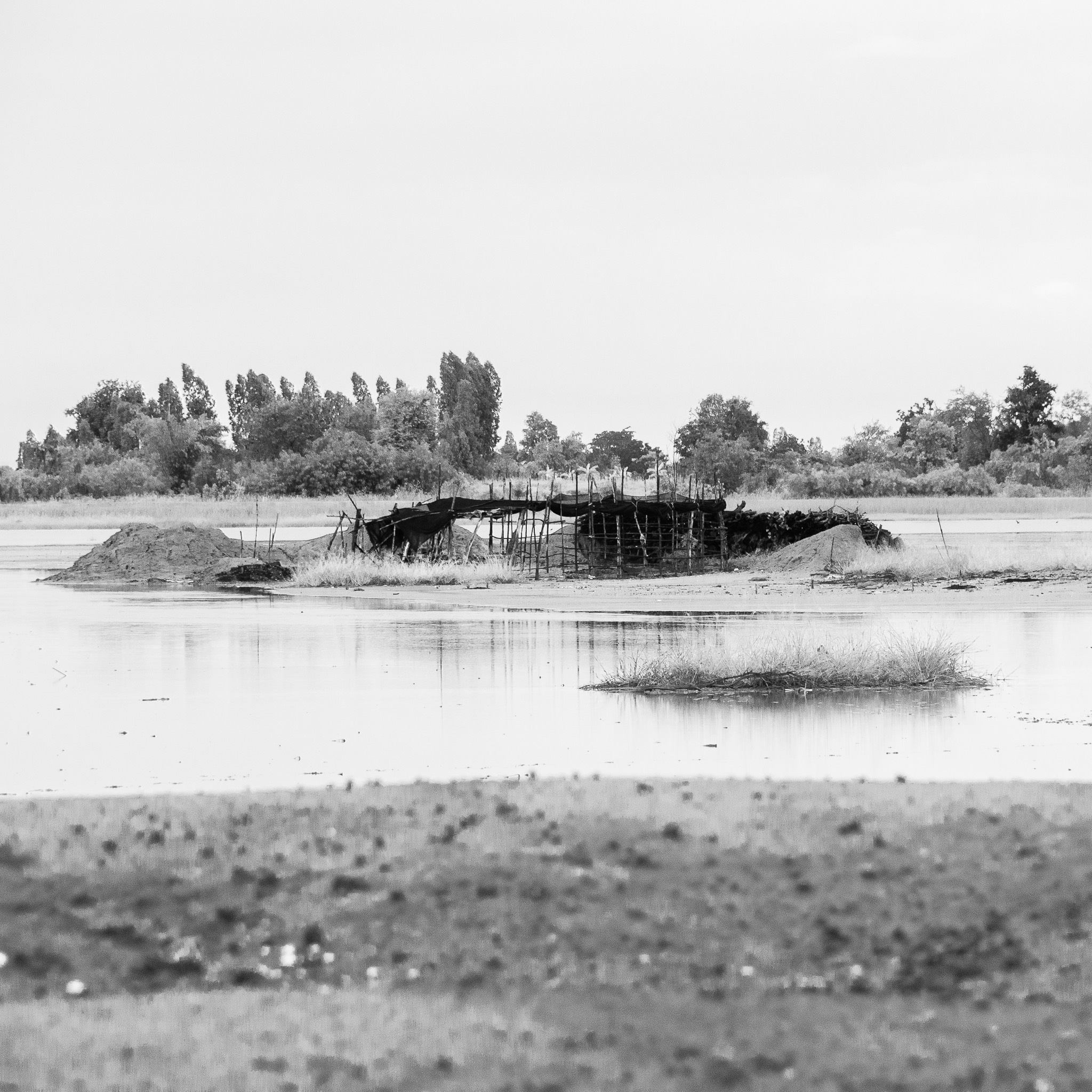
Rock salt as a living land scape.
College of Design, Rangsit University, Thailand
Ugrid Jomyim
Abstract :
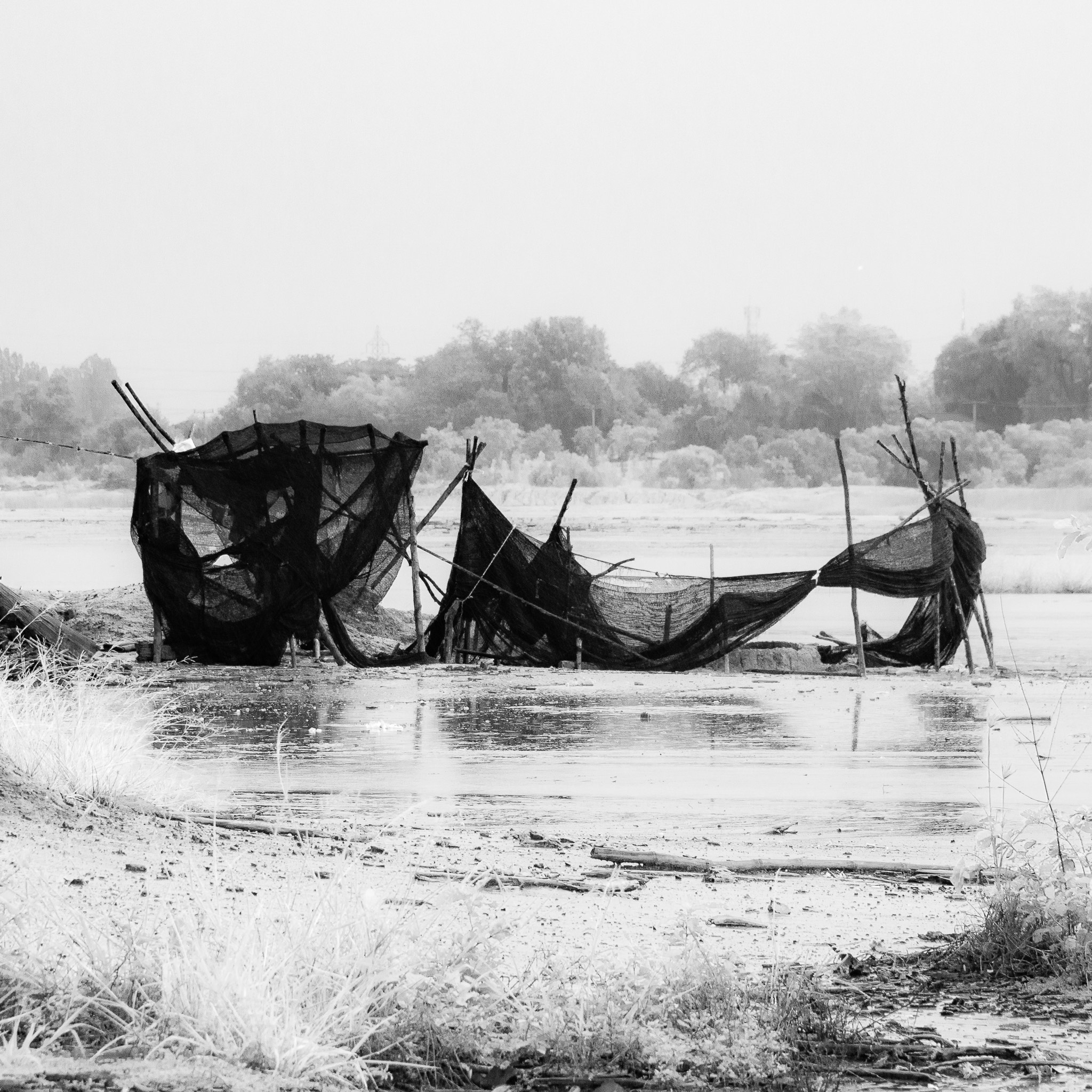
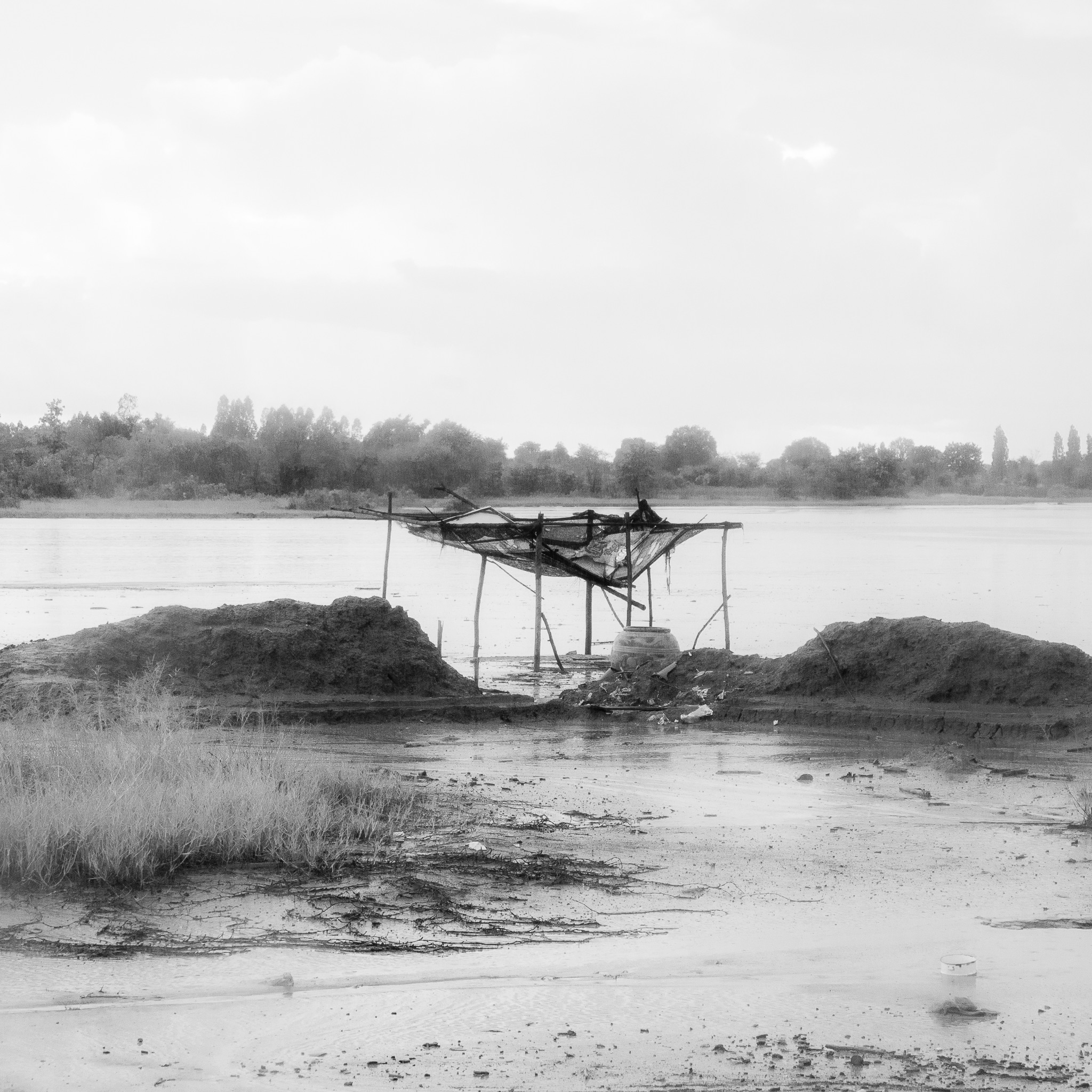
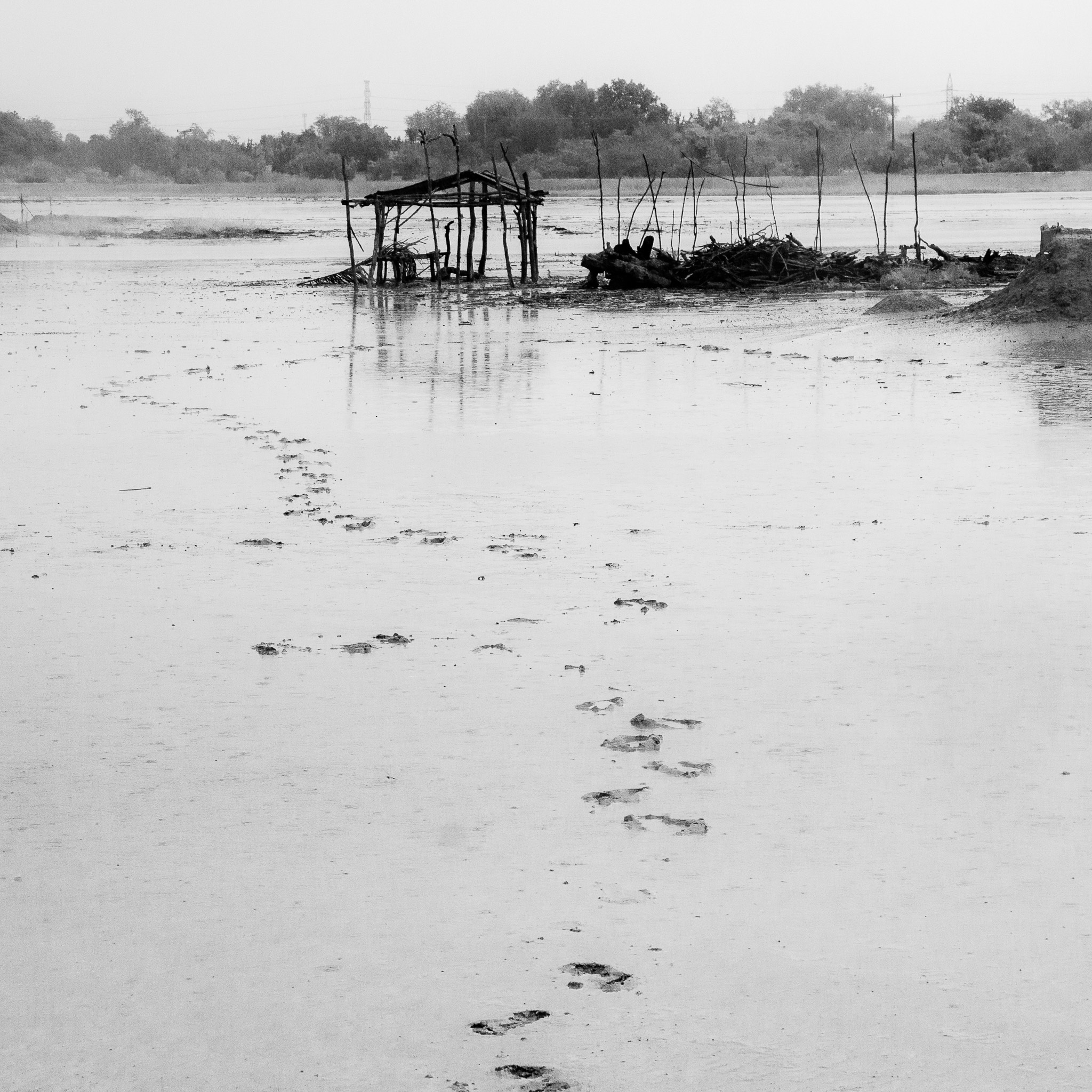
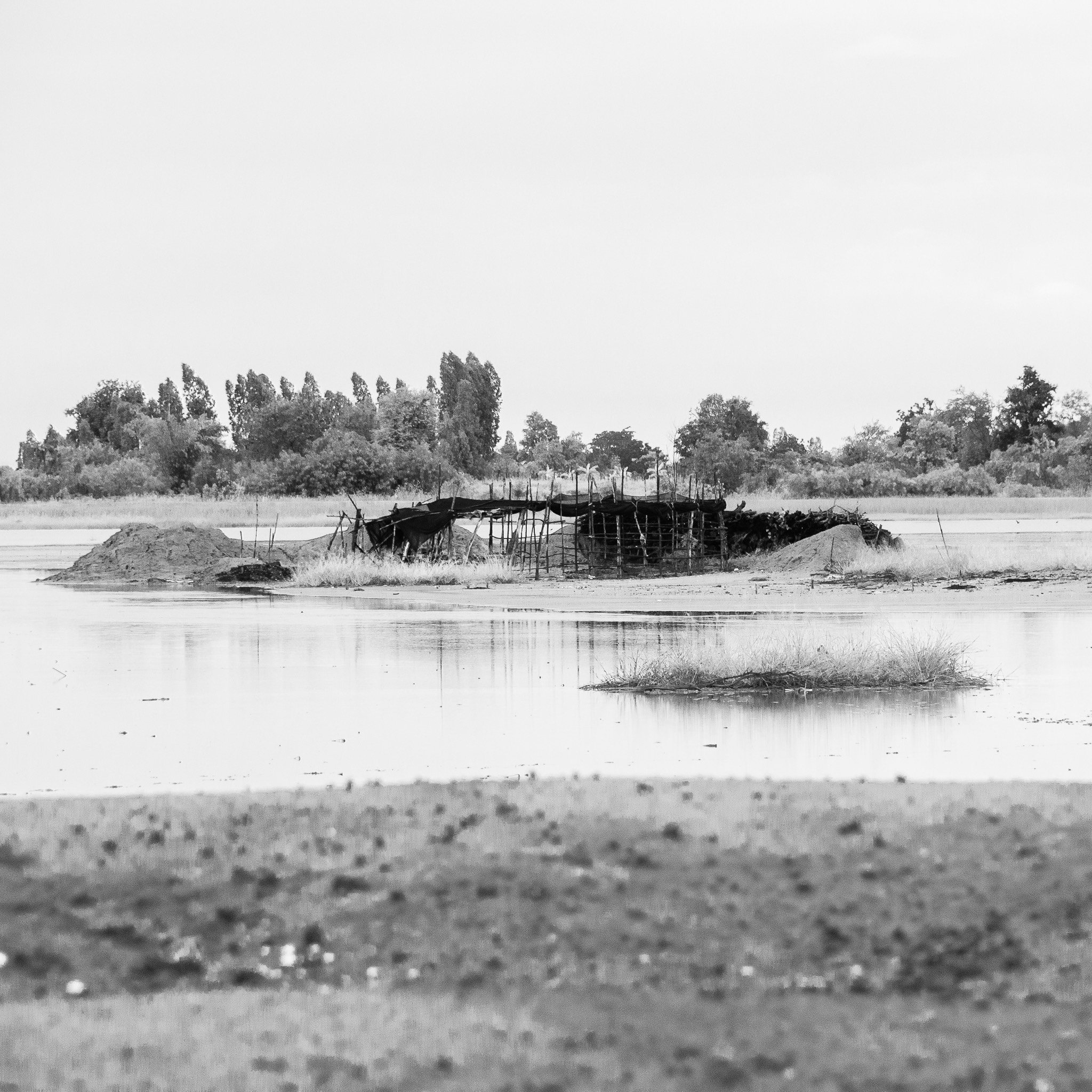
This photographic art series explores and documents the cultural landscape of Ban Bo Kathin Community, Non Daeng Subdistrict, Non Sila District, Khon Kaen Province, Thailand, where traditional knowledge of rock salt production has been inherited and sustained across generations. Salt is produced during a particular period of the seasonal cycle and distributed to communities and surrounding areas. The creative process began with fieldwork involving the exploration and collection of information concerning local ways of life, people, places, and objects associated with rock salt production. These field observations and collected data were subsequently developed into a photographic art series that emphasizes the relationships among various elements within the community’s cultural landscape, rather than focusing solely on documenting the procedures or techniques of salt production.
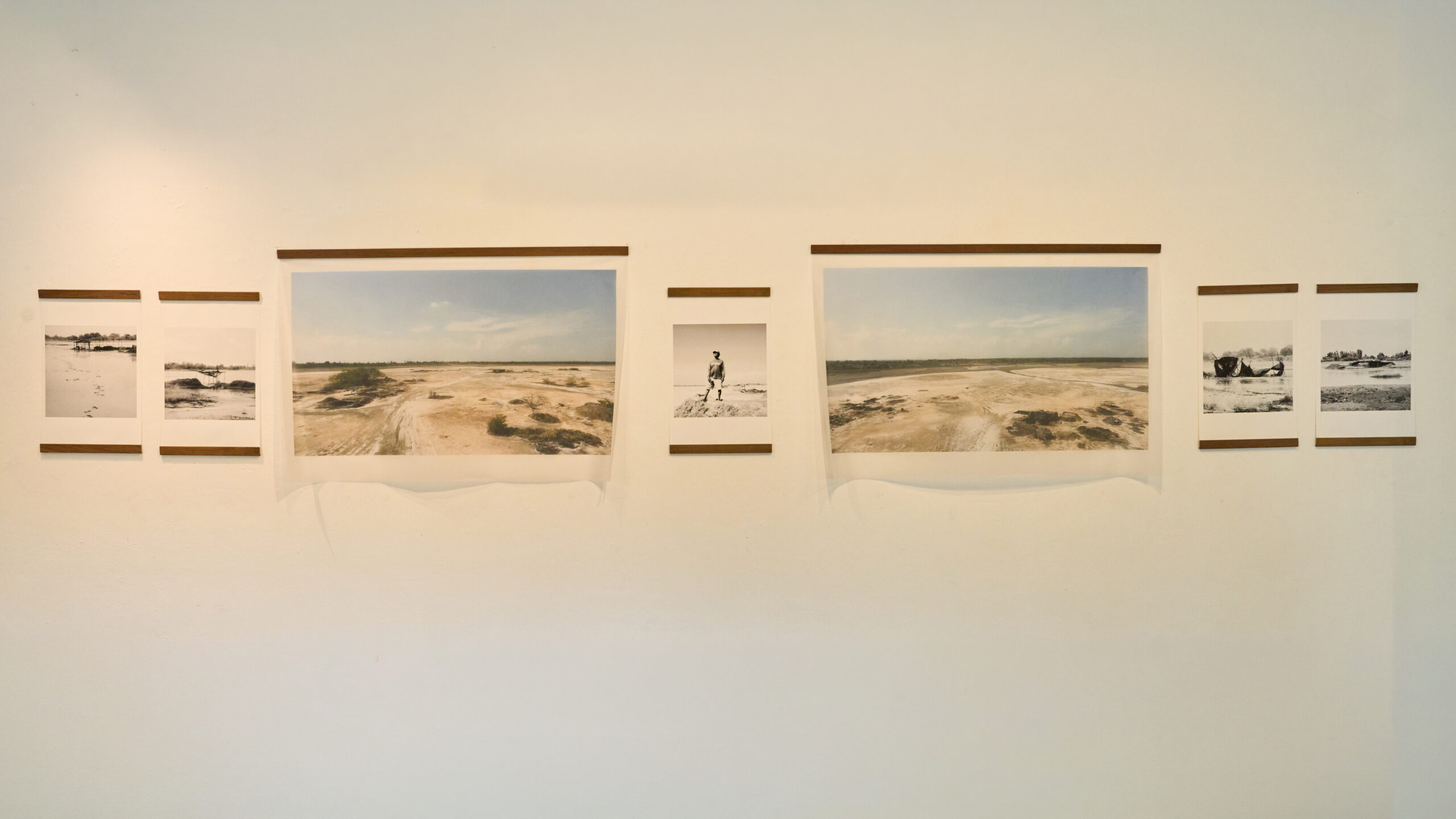
The central concept of the creative practice is to examine the transmission of traditional knowledge in relation to the environment as a process of sustaining and constructing cultural meanings, which contributes to the community’s continuity and adaptation within a changing social context. The works employ portraits in relation to their surrounding environments, landscape photography, and images of objects and material traces within the landscape. Both black-and-white and color photography are used as visual strategies to establish meaningful relationships between the past and the present. Through these photographic approaches, the cultural landscape is presented not merely as a physical space, but also as a site that embodies memory, local knowledge, and relationships between people and the environment, all of which continue to exist while transforming in response to changing social and cultural conditions. This photographic art series therefore employs photography as a means of understanding and communicating the value of local knowledge, as well as the relationship between the community and its cultural landscape, which plays an important role in the transmission and continuity of the community over time.
Objectives :
The photographic art series “Rock Salt as a Living Landscape” has the following creative objectives:
- To explore the cultural landscape of Ban Bo Kathin Community, Khon Kaen Province, one of the remaining communities in the province where local people continue to practice traditional rock salt production. This practice relies on traditional knowledge inherited from previous generations. The project integrates knowledge and methods from the social sciences, particularly fieldwork and observational approaches, with contemporary photographic art practices in order to transform field-based knowledge and observations into a creative artistic work.
- To reveal the traces of places, people, and objects that undergo transformation according to seasonal cycles, while also highlighting their potential for renewal and reactivation. Through the aesthetic interpretation of photography, these traces are recontextualized to communicate the relationships among landscape, memory, time, and the continuing transformation of the community.
Conceptual Framework :
This creative project integrates knowledge from sociology and anthropology into an artistic creative process in order to examine the social and cultural phenomena of Ban Bo Kathin Community, Non Daeng Subdistrict, Ban Phai District, Khon Kaen Province, and to present the findings in the form of Fine Art Photography. The study focuses on a community that continues to inherit and sustain traditional practices of rock salt production, reflecting the relationships among people, landscape, and the environment, as well as the persistence of local knowledge within the context of contemporary social and cultural change.
The research process employs in-depth interviews and participant observation to collect information concerning everyday life, knowledge, local wisdom, and methods of rock salt production that have been transmitted from previous generations and continue to be adapted to the contemporary context. Data obtained through fieldwork are analyzed through the conceptual frameworks of Cultural Landscape and Environmental Anthropology in order to understand the relationship between the community and its physical environment, as well as the relationship between humans and the environment that has shaped and continues to influence the community’s practices of rock salt production.
The findings from the data analysis are subsequently interpreted and developed into an approach for the creation of photographic art. Rather than focusing solely on the process of rock salt production, the artist employs photography as a medium for communicating the relationships among people, place, objects, and traces of activities embedded within the community’s cultural landscape. The creative process is situated within a contemporary art framework, allowing photography to function both as evidence derived from fieldwork and as a space for interpretation. The works do not prescribe fixed meanings; instead, they invite viewers to construct their own meanings and interpretations of the relationships among the images, the community, and the social phenomena presented through their individual perspectives.
Process / Methodology :
Process
- Collecting information, establishing the research framework, and planning fieldwork to gather data through participant and non-participant observation, as well as formal and informal interviews.
- Analyzing the field data and using the findings to develop a creative photographic art series. The photographic documentation focuses primarily on portraits and the landscape of the salt ponds, particularly the ways in which the landscape changes according to seasonal conditions.
- Determining photographic perspectives and preparing the necessary equipment for fieldwork in order to document actual events and activities taking place within the community.
- Conducting fieldwork and photographic production according to the established plan. Following the fieldwork, all photographs are reviewed and selected to refine and consolidate the visual content and strengthen the intended meaning communicated through the photographic works.
Techniques and Materials :
Digital Photography
Result / Conclusion :
Through the process of site-based study and the creation of this photographic art series, the artist found that the landscape of Ban Bo Kathin Community is not merely a physical space used for rock salt production, but rather a space that reflects the relationships among people, local knowledge, the environment, and seasonal cycles. Rock salt production does not take place continuously throughout the year; instead, it is closely associated with natural conditions and seasonal periods. As a result, the same space can possess different characteristics and meanings at different points in time.
Fieldwork conducted in April and August 2026 enabled the artist to observe changes in the landscape from the period following the end of the salt-production season to the rainy season. These seasonal changes affected the landscape, structures, objects, and traces of activities present within the area. Such transformations demonstrate that spaces that appear empty or abandoned do not necessarily signify the end of the production way of life. Rather, they represent one phase within a cyclical pattern of land use, characterized by periods of suspension, transformation, and a return to other activities according to seasonal conditions.
In the creative process, the artist therefore chose photography as a medium for exploring and communicating the relationship among “people, place, and time.” The work does not focus solely on documenting rock salt production in a documentary manner, but instead places emphasis on the surrounding elements, including people, landscapes, objects, and traces of activities that remain within the area. Photography thus functions both as a means of documenting information gathered through fieldwork and as an artistic space for interpreting these relationships.
Therefore, the knowledge generated through this creative practice does not lie solely in presenting images of a rock salt-producing community, but rather emerges from understanding the landscape as a space that is continuously changing and shaped by interactions between humans and the environment. Traditional knowledge of salt production does not exist independently of the landscape; instead, it is dynamically interconnected with the ecosystem, seasonal cycles, and the community’s way of life. This photographic art series therefore interprets the cultural landscape through an artistic language, revealing what continues to exist, traces of what has passed, and the possibility of activities returning in the future. In doing so, the work reflects the relationships among continuity, transformation, and community adaptation under the conditions of place and time.
References :
–
Share :
Facebook
Twitter
LinkedIn
WhatsApp
Email
Print