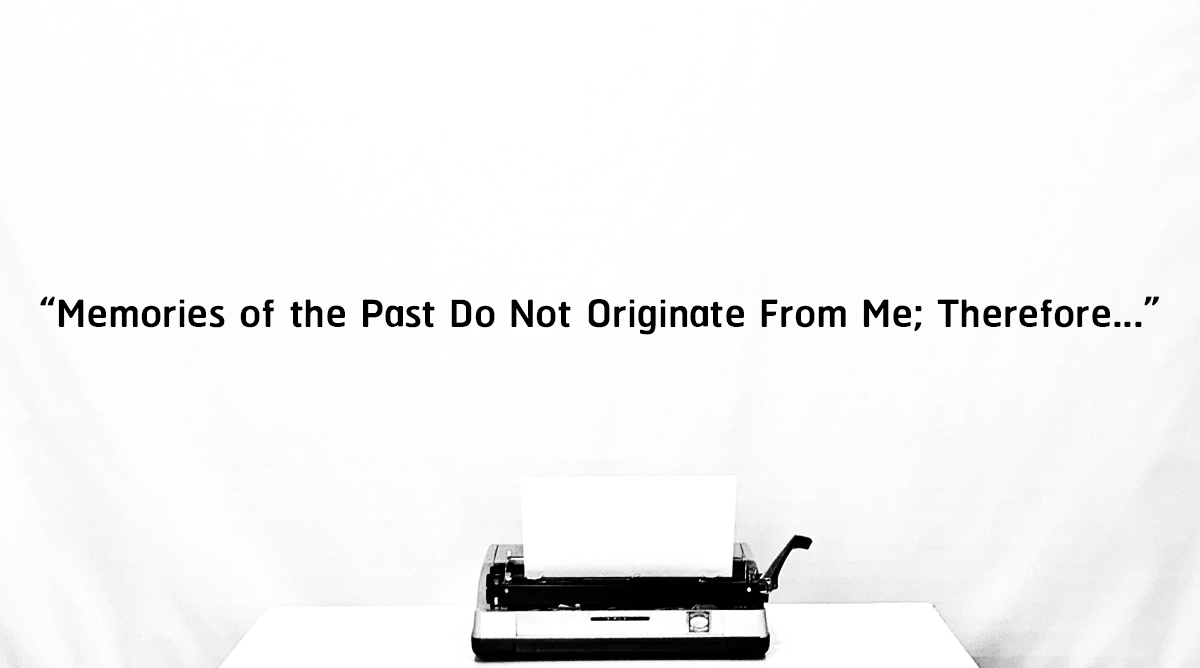
Memories of the Past Do Not Originate From Me; Therefore...
Collage of Design, Rangsit University
Narongchat Rajchompu

Abstract :
This Practice-as-Research project, “Memories of the Past Do Not Originate From Me; Therefore…”, explores intergenerational memory (Postmemory) and trauma stemming from the 1997 Asian Financial Crisis. Utilizing the abandoned Hopewell pillars as material witnesses to “Unfulfilled Futures,” the study integrates Ruin Aesthetics and Hauntology to transmute rigid historical data into affective sensory experiences. Through a mixed-media installation synthesizing typewritten text, 1990s readymades, archival photography, temporal video projections, and data sonification, the creative process constructs a multidimensional spatial dialogue. The findings reveal that shifting from documentary recording to a phenomenological space successfully reframes concrete ruins into a Critical Spatial Platform. Ultimately, the exhibition bridges historical trauma with younger generations, utilizing its open-ended title to invite viewers to actively participate, construct meaning, and critically interrogate the trajectory of our shared future.
Objectives :
1. To explore and analyze the conditions of Postmemory and the socio-cultural dimensions of Hauntology, utilizing the 1997 Asian Financial Crisis and the physical structures of the Hopewell pillars as material witnesses to “Unfulfilled Futures.”
2. To experiment with and create a mixed-media installation by weaving a sensory dialogue across five artistic mediums: typewritten text on paper, 1990s readymades, archival photography, superimposed temporal video projections, and data sonification derived from financial statistics.
3. To propose the transmutation of documentary historical data into a “Critical Spatial Platform,” facilitating sensory and affective interactions for contemporary audiences and younger generations, while critically interrogating the legacy of memory and the trajectory of our shared future in the present.
Conceptual Framework :
This Practice-as-Research project, “Memories of the Past Do Not Originate From Me; Therefore…”, emerges from the remnants of intergenerational transmission (Postmemory) and the aesthetics of decay (Ruin Aesthetics). The Hopewell pillars and the lingering shadows of the 1997 Asian Financial Crisis (Tom Yum Goong Crisis) serve as silent material witnesses to these “Unfulfilled Futures.” Within this framework, the state of memory is not presented as rigid historical fact; rather, it is transmuted into a state of hauntology. It lingers within the emotional and sensory realms of those who came of age amidst the ruins of suspended dreams.
The installation site is constructed as a “space of sensory perception,” where diverse artistic media intertwine to construct a multidimensional dialogue:
1. Typewritten Text on Paper: Functions as the mechanical imprint of keystrokes, recording the echoes of personal memories and fragile intergenerational narratives.
2. Readymades: Everyday objects from the 1990s serving as time capsules that freeze the aspirations and cultural values of a collapsed era.
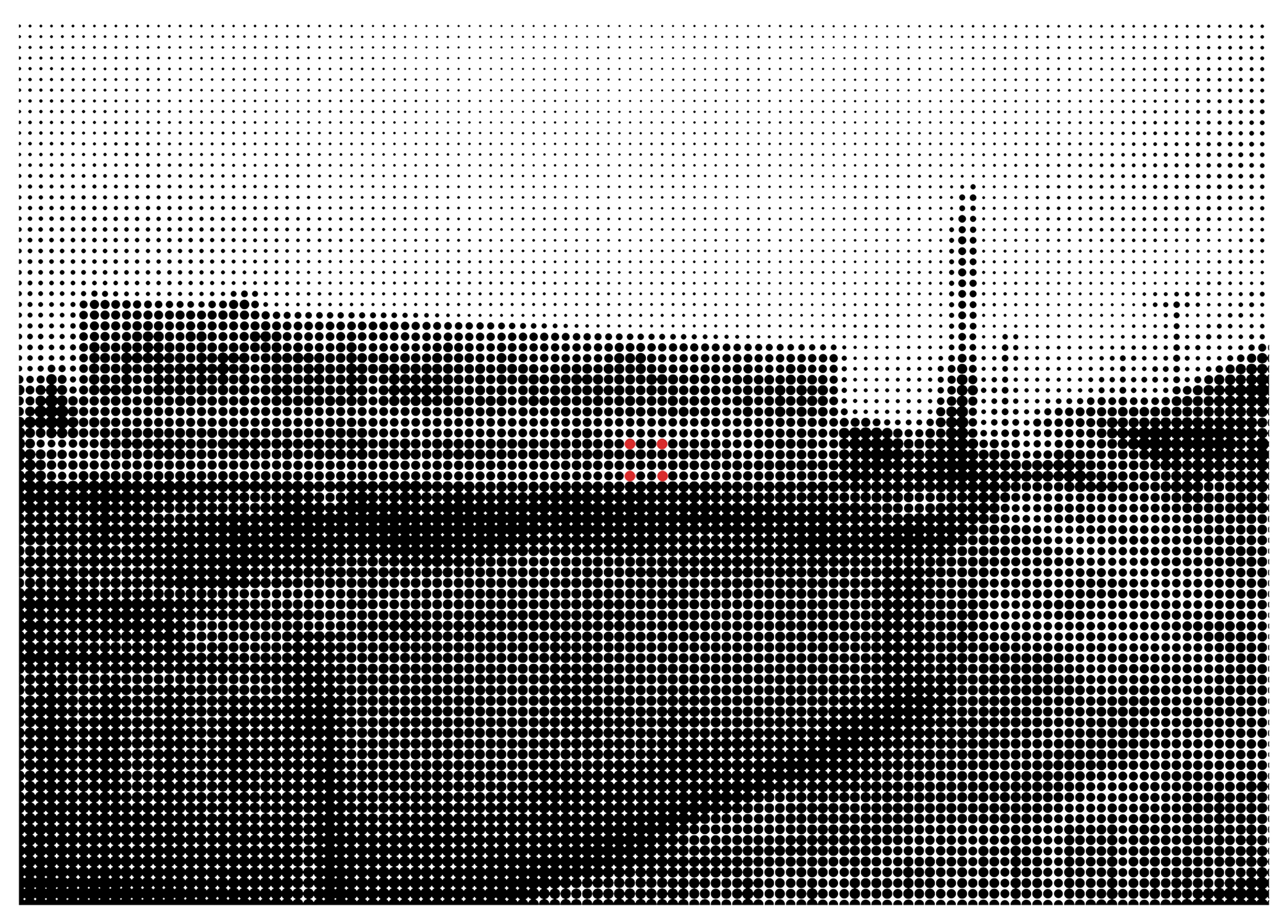
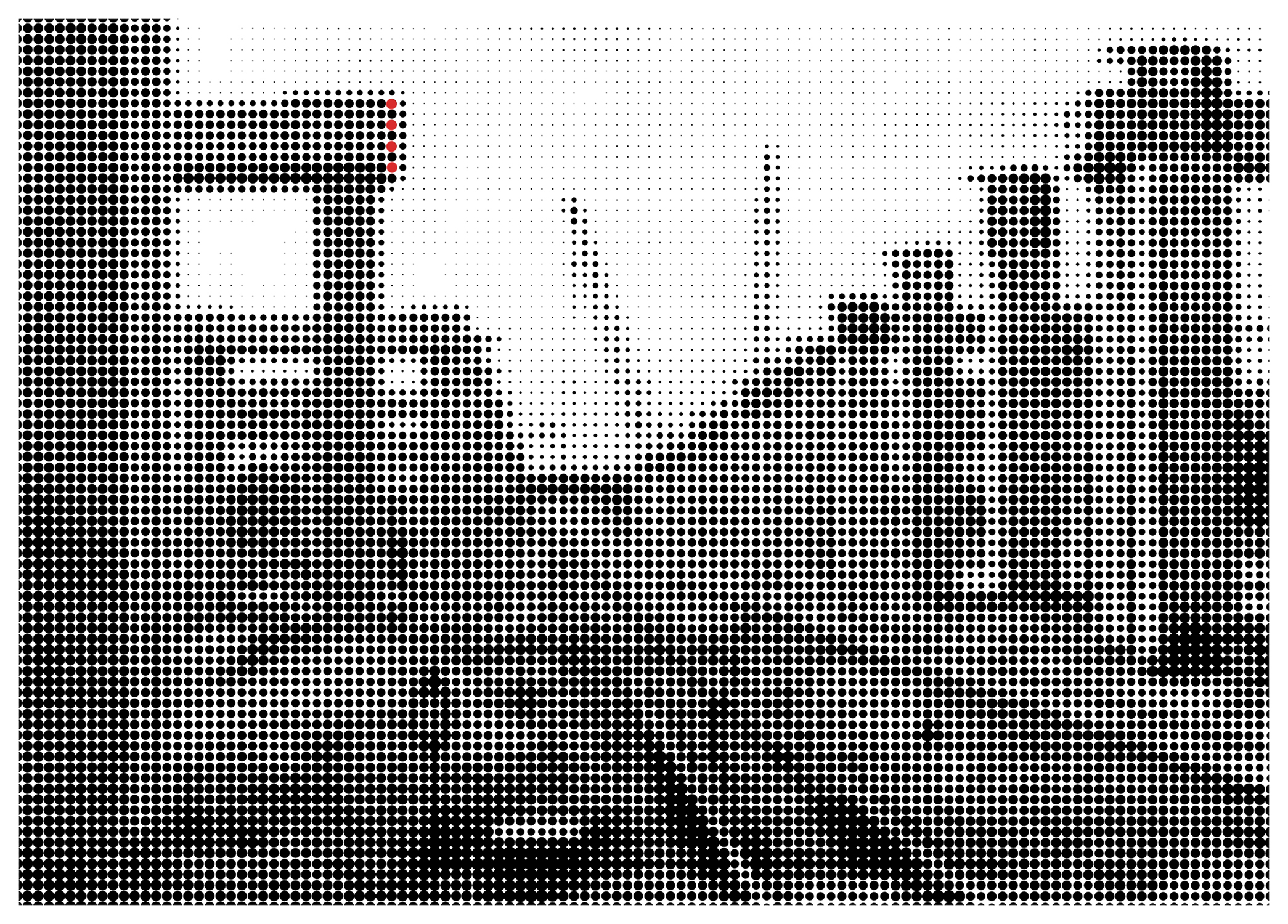
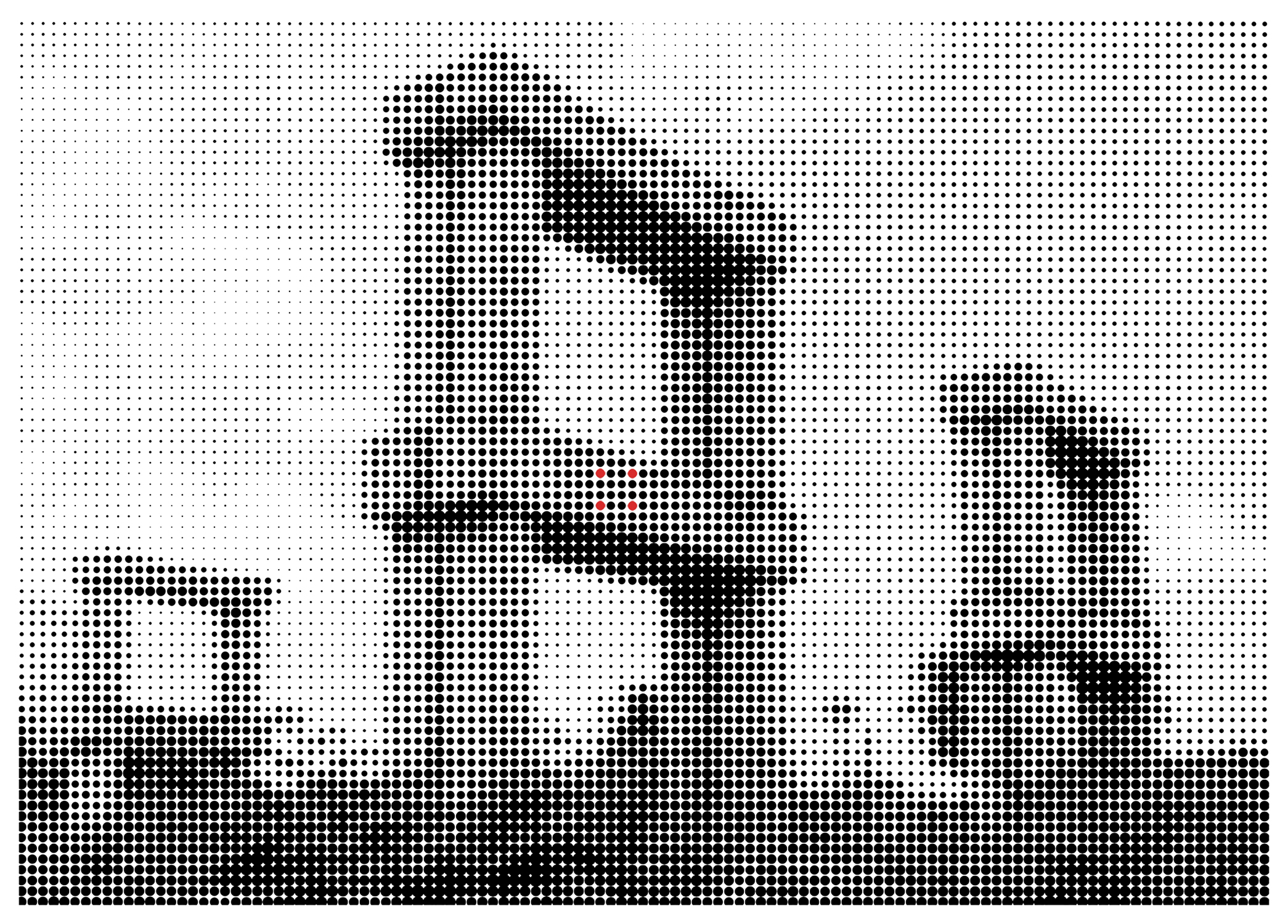
3. Photography: Archival imagery of the Hopewell pillars articulating the narrative of “Unfulfilled Futures,” acting as silent material witnesses that explicitly document historical trauma.
4. Video: A superimposed projection of blurred temporalities, juxtaposing the current stillness of the Hopewell site with traces of emotional documentation.
5. Sound Art: The translation of historical financial statistics into vibrational sound waves (Data Sonification) that envelop the space and transmit a sense of tension. These processes function to transpose conceptual dimensions from abstract data into a tangible sensory experience.
Ultimately, this installation shifts its core paradigm from documentary-style recording toward the cultivation of a shared spiritual and phenomenological experience. It transforms concrete ruins and historical trauma into a space of critical aesthetics, offering viewers the opportunity to physically experience, perceive, and independently interrogate the legacy of memories bequeathed to the present.
Process / Methodology :
Phase 1: Field Exploration and Physical Retrieval
1.1 Data Mining & Archival Research
1.2 Material Extraction & Artifact Sourcing
Phase 2: Artistic Praxis and Multi-Media Transmutation
2.1 Text Process: Mechanical Imprinting
2.2 Visual Process: Manual Paint Intervention
2.3 Material Process: Readymade Assembly
2.4 Video Process: Temporal Superimposition
2.5 Sound Process: Data Sonification
Phase 3: Spatial Choreography and Mixed-Media Installation
3.1 Spatial Mapping
3.2 Visual & Projection Placement
3.3 Spatial Sound Integration
Phase 4: Phenomenological Evaluation and Knowledge Synthesis
4.1 Audience Interaction Observation
4.2 Reflective Synthesis
Techniques and Materials :
Mixed Media (The installation depends on the space)
– Typewritten Text on Paper
– Readymades
– Photography
– Video
– Sound
Result / Conclusion :
This Practice-as-Research project, “Memories of the Past Do Not Originate From Me; Therefore…”, concludes that architectural ruins and the legacy of economic trauma from the 1997 crisis are not merely static relics of memory. Instead, they establish themselves as physical “material witnesses” that continuously radiate resonance and a condition of hauntology into the perceptual structures of contemporary society. This study successfully employs Practice-as-Research (PaR) methodology to decode and transmute the postmemory of younger generations who, despite not experiencing the crisis directly, came of age amidst the ruins of suspended dreams. By synthesizing five dimensions of artistic media, the project tangibly shifts the axis of perception from documentary historical records toward a “Critical Spatial Platform.”
Ultimately, the open-ended phrasing of the title, “Memories of the Past Do Not Originate From Me; Therefore…”, is articulated through spatial interactions within the exhibition. The word “Therefore…” operates not as a prescriptive conclusion by the artist, but as an “aesthetic and ethical imperative.” It restores interpretive agency to the audience and subsequent generations, inviting them to leverage their sensory faculties, embodied experiences, and critical interrogation to collaboratively complete the missing clause and construct a new future trajectory for Thai society on their own terms.
References :
ดร.นฤพนธ์ ด้วงวิเศษ. (2564, พฤศจิกายน 11). หลอนวิทยา: ฌากส์ แดร์ริดา กับปีศาจแห่งอดีตที่ไม่ยอมตาย (Hauntology). (Online). https://www.sac.or.th/portal/th/article/detail/280
ดร.นฤพนธ์ ด้วงวิเศษ. (2564, กันยายน 10). มานุษยวิทยาแห่งผัสสะ (Sensory Anthropology). (Online). https://www.sac.or.th/portal/th/article/detail/254
ผู้จัดการออนไลน์. (2568, กันยายน 29). “โฮปเวลล์” โต้ไม่มีสินบน “หมื่นล้าน” ล้มคดี ชี้มีกระบวนการใส่ร้าย ยื่นศาล ปค.สูงสุดสู้ปม “อายุความ”. (Online). https://mgronline.com/business/detail/9680000093146
ทีมข่าว TCIJ. (2563, กันยายน 13). คณะทำงานศึกษาสัญญาโฮปเวลล์ ค้านรัฐจ่ายค่าเสียหาย เหตุพบพิรุธหลายประเด็น. (Online). https://www.tcijthai.com/news/2020/9/scoop/10939#google_vignette
Share :
Facebook
Twitter
LinkedIn
WhatsApp
Email
Print