Parade
Faculty of Digital Art, Rangsit University, Thailand
Asst. Prof. Samuel Raymond Forkner
Abstract :
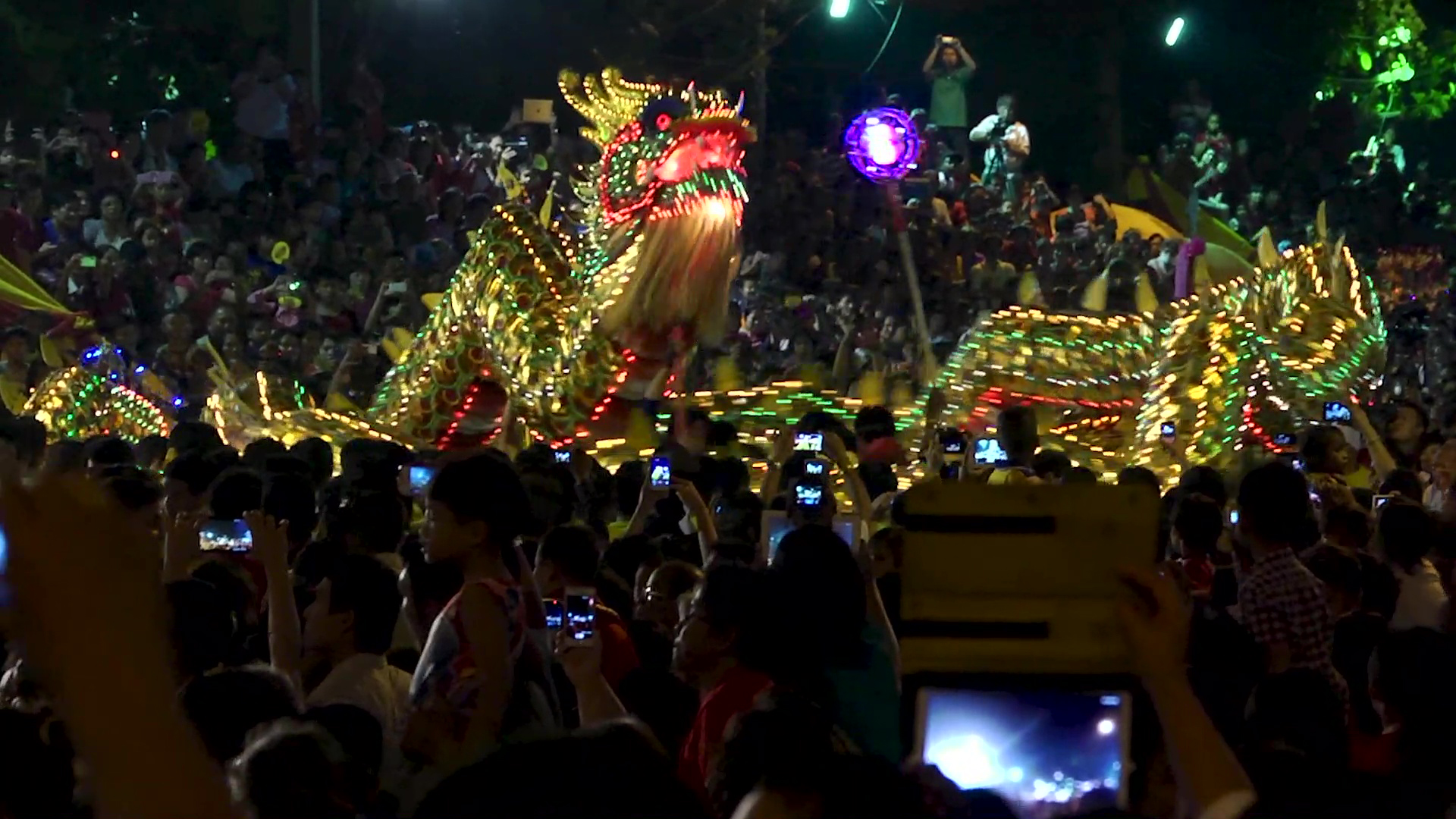
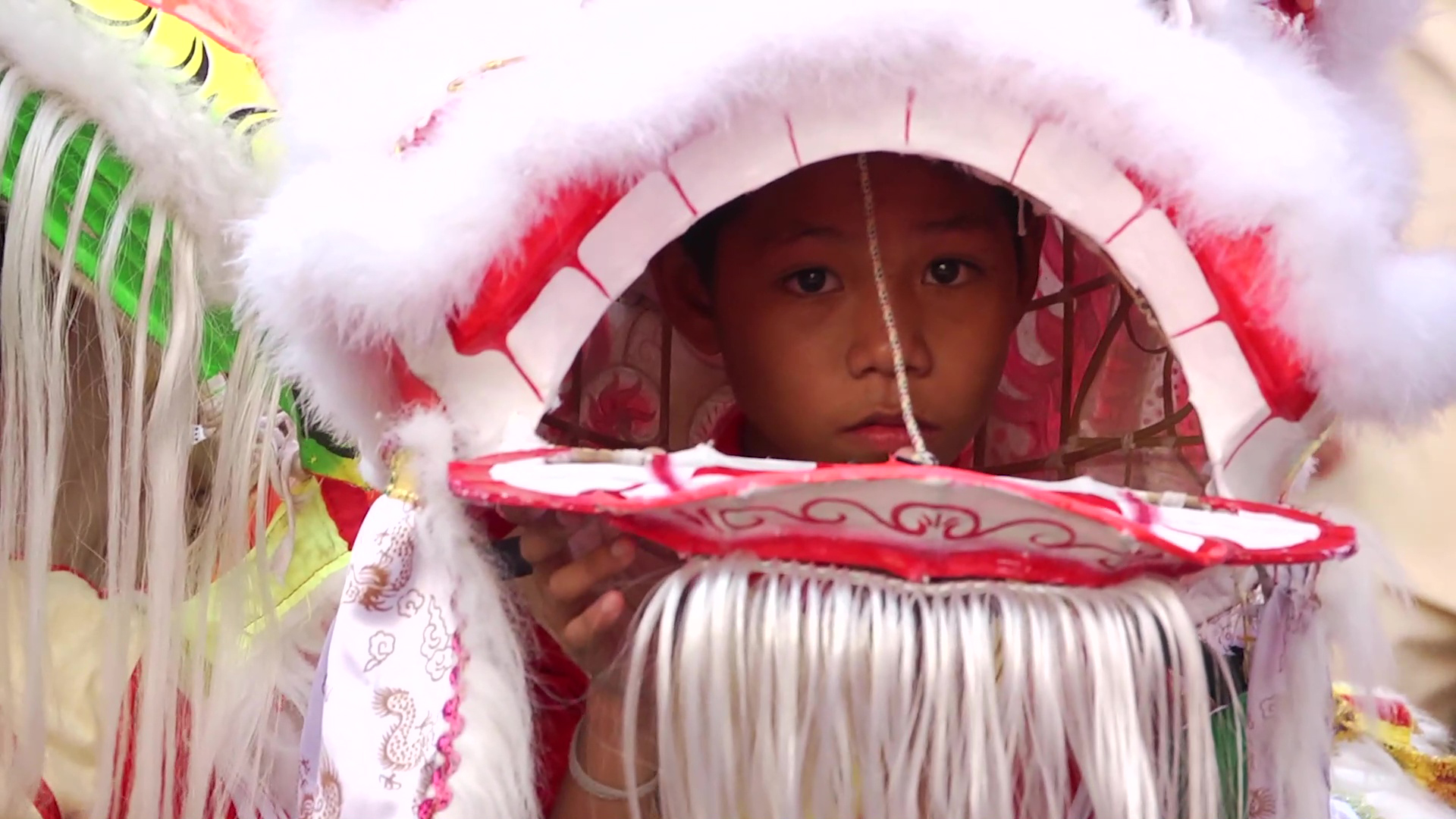
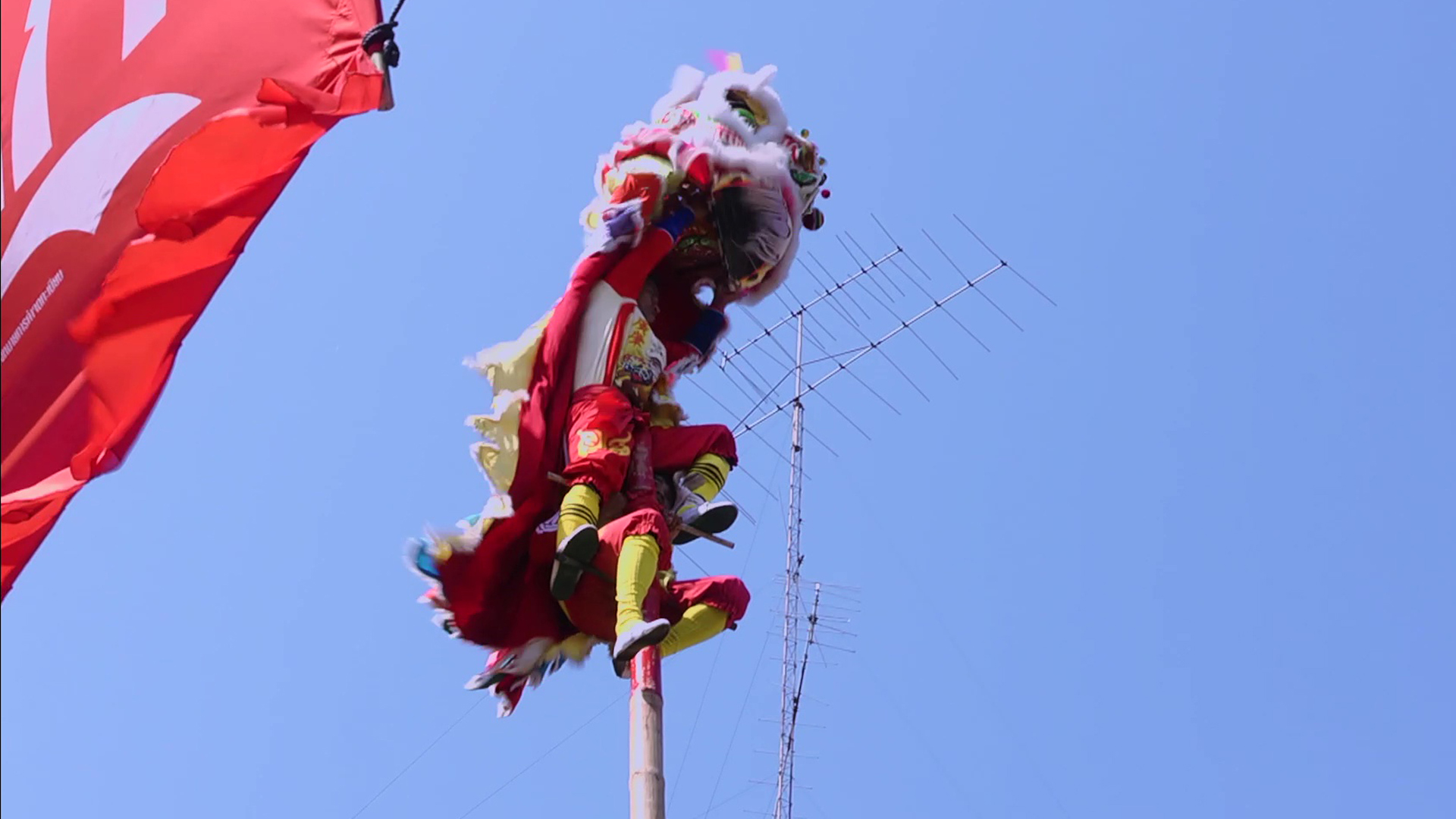
Placing the off-screen sound of a barking dog over the picture of a house will create the sensation that the home has a guard dog. The sound of children playing over that very same image leads to a different idea entirely. This is a synthesis that can be created during post-production, where extensive mixing of audio adds a lot leeway to change the feeling, rhythm and impact of successive shots. These feelings manipulate a viewer’s emotion and add to an editor’s ability to expand the duration of shots or narrative elements in the sequence. Cutting creates a visual rhythm, like in metric montage, that drives audience expectation as well. Sound editing creates a lot more choices in post-production where the sound editing has generally come last. Shots that captured the dragon and lion performances, acrobatics and more were put together in a roughly assembled sequence. Then the work of finding high-quality clips of the actual songs used in the festival began. One example of is the famous song from the province of Nakhon Sawan, Nakhon Sawan Wimanman. Another is music from the Shaw Brothers Studio’s Madame White Snake. This music was really used during the parade, but the sound of generators and motors made it unusable. Higher quality sound files replaced the original sound and were synchronized to the action in a way that was true to reality. Dialog was taken from Thai language tutorials to be synchronized with the real people talking in the video – the same technique as automatic dialog replacement (ADR) or looping that is used in feature films but in this case being applied to a documentary. Two different soundscapes were created for two the different dragon montages, one that takes place at night and the other during the day. Editing decisions revolved around how to maintain the sense of real time, and increasing the production value of the cinematography by polishing the sound. Anything that reduced this illusion or changed the nature of activities was rejected. This process was around 80% of the time spent editing, a number unusually high for sound editing.
A painting represents something. It has nothing to offer other than the beauty of its own illusion. The viewer enjoys the experience of looking at a work knowing this. Films are an art-form that construct their illusions with dimensionality. They immerse the viewer with screen direction: right to left, up to down, and small to large. It is a time-based art, where duration is also important. Further distinction between screen-time and story-time initiate techniques used to create to create inner spaces like flash-backs, dream sequences and other clichés. While in painting the use of pigments, canvases and brushes are tools used to capture the attention of viewers, in film it is the representation of people in a three dimensional space over time. There is continuity or discontinuity created by editing choices and shooting styles. These choices made in the creation of “Parade” maintain the sense of it happening right now. This editing style augments live action, even though it has been many years since the footage was recorded, it seems to be right now in the film. Foley techniques, used for non-fiction films like this one, may augment reality making it seem more like real time or degrade realism making it more cartoon-like. Ingmar Bergman, in 1960, famously compared the methodology of filmmaking and musical composition describing film as being a rhythmic medium which needed to breath. This was similar to ideas espoused by Sergei Eisentein previously in the late 1930 who scored his own films. Music creates a mood which vastly affects the way a viewer interprets an image. The process of using tools creates movements in the art world. Portrait painting, expressionist painting, abstract painting, surrealist painting, any tradition or school you can think of is simply formatting their materials during a process of creation in a particular way. For film, these tools are its inherent dimensionality and its soundtrack. Film genres are described by shooting styles and musical scores. As documentary, independent, and art film are also movements in the film world, they have the potential to utilize techniques from feature film in unique and creative ways.
Objectives :
The overarching purpose of this experiment is for the sound design to have a dramatic effect on how the work is interpreted. The synchronization of sound effects, music and video are meant to maintain fidelity at an artistic level. Paradoxically, the philosophy behind the sound edit is to be unnoticeable – in the same way that good cutting is “invisible” to the viewer unless they are watching for it. If noticed, the soundtrack is engineered to highlight realism in a non-fiction film, but the techniques used are from the world of fiction film, foley work, dialog replacement and the use of spot sounds. This type of editing creates a higher production value by replacing noise recorded at the event, re-creating sounds with higher-quality walla-wallas, laughter, applause, and the famous songs used in the parade.
The repetitive layering of sounds and detailed mixing of volume levels is meant to be an academic demonstration of when synchronous sound works and when it isn’t really necessary. One particular long take is ambiguously out of sync, but this is barely recognizable upon a first viewing. Ambience can be used to create a mood that drives the story across cuts, while a diegetic song from the performance can be made to work in the opposite way, such as the driving rhythm for a montage during the transition from one temporal space to another.
The reduced cost of equipment and ubiquitousness of video has democratized modern filmmaking. Therefore a second objective of the work is to encourage the production of well edited non-fiction films, by demonstrating how the use of industrial techniques from fiction filmmaking are applicable. It is hoped this work promotes the enjoyment of parades in general and draws attention to the value in cultural performances of this type. The ability of smart phones to play video has been restructuring the entertainment industry for over a decade now, and the modern person seeks out art on their phone, continuously seeking, looking for something good. Increasing production values with sound editing, non-fiction film reaches a cinematic breakthrough.
Conceptual Framework :
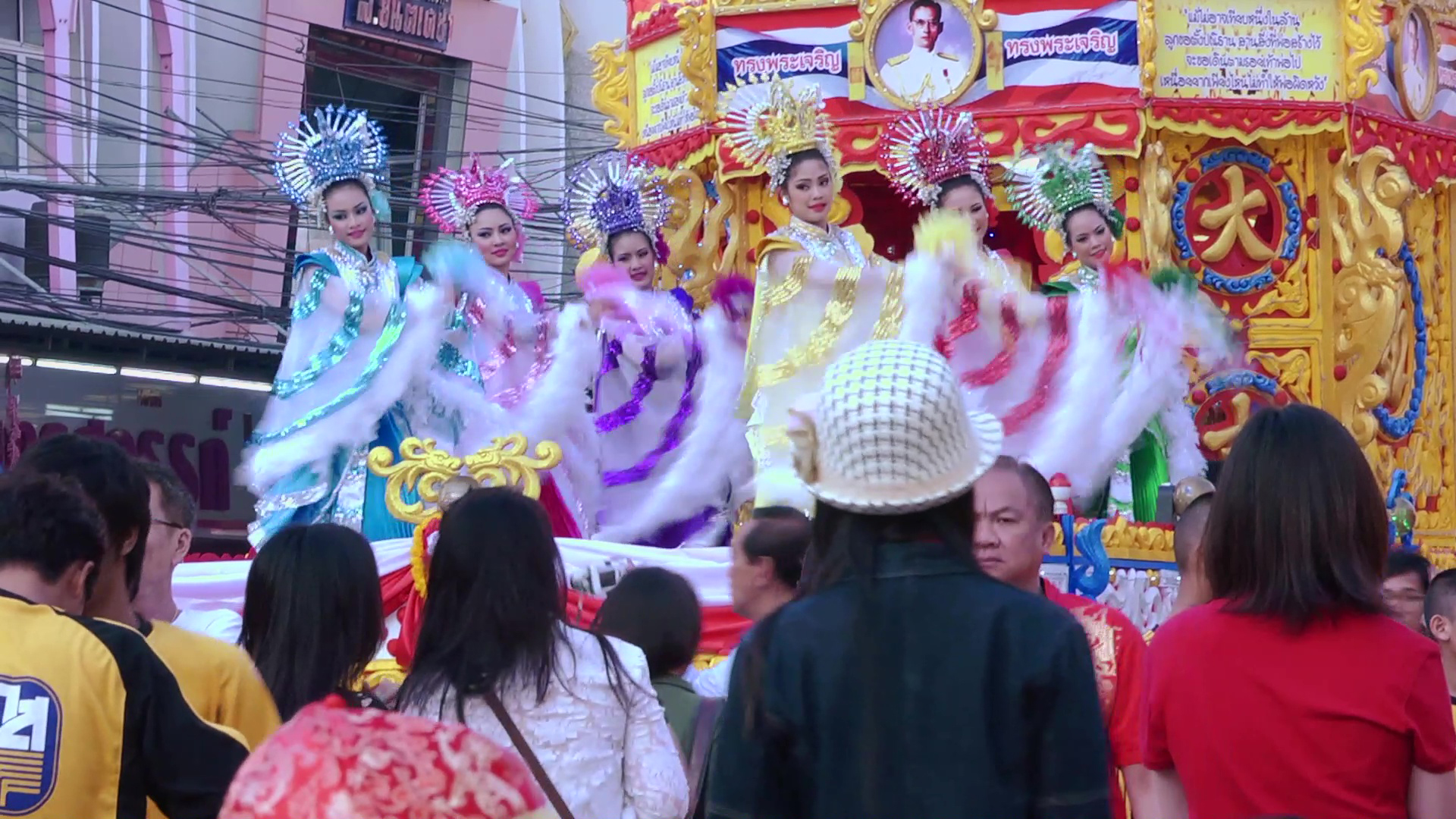
During a parade all the action is “behind the scenes” which is just perfect for a documentary or non-fiction film. You can see dancers setting-up, preparing and rehearsing. People pour out of the buildings with a purpose. There are supporting family members who help them get ready, carry drums and costumes, drive the floats and more. There are spectators standing all around. When the train of people finally start moving, everyone is an audience member in a sea of people where everything is happening all at once. As groups pass a station they separate into performers and spectators, and a single group begins their display. When the routine is finished, those performers go back to being audience members. The next group goes through the same transformation until the entire train has moved on – all live and on the street. Everyone is both part of a show and an audience member of it at the same time. For a non-fiction film, footage is by nature captured only as the event progresses. When shooting in real time a performance happens only once, while the camera operator works to get as many good shots as possible. There is no going back to get a retake. Furthermore, this freshness has to be captured intentionally by the camera operator through selective focus, framing and camera positioning. To make the final work seem like a feature film – instead of a television show – the camera must move around capturing the different angles for cutting together later, like long-shots and close-ups, reaction shots and establishing shots in addition to simply capturing the action that takes place. One can shoot over-the-shoulder shots of a performer, or make a different shot look like her point-of-view in the editing phase. Using continuity-editing techniques such as match-on-action and changing picture sizes, the editor makes it seem like these cuts describe a linear sequence of events when in fact the shots are generally out of sequence, as they happened in real time. These shots are put together out of the time sequence of how they occurred, but the effect is a continuous sequence of shots that lead the viewer through the live action without destroying the continuity of time, in effect creating scenes where none really existed.
Process / Methodology :
Placing the off-screen sound of a barking dog over the picture of a house will create the sensation that the home has a guard dog. The sound of children playing over that very same image leads to a different idea entirely. This is a synthesis that can be created during post-production, where extensive mixing of audio adds a lot leeway to change the feeling, rhythm and impact of successive shots. These feelings manipulate a viewer’s emotion and add to an editor’s ability to expand the duration of shots or narrative elements in the sequence. Cutting creates a visual rhythm, like in metric montage, that drives audience expectation as well. Sound editing creates a lot more choices in post-production where the sound editing has generally come last. Shots that captured the dragon and lion performances, acrobatics and more were put together in a roughly assembled sequence. Then the work of finding high-quality clips of the actual songs used in the festival began. One example of is the famous song from the province of Nakhon Sawan, Nakhon Sawan Wimanman. Another is music from the Shaw Brothers Studio’s Madame White Snake. This music was really used during the parade, but the sound of generators and motors made it unusable. Higher quality sound files replaced the original sound and were synchronized to the action in a way that was true to reality. Dialog was taken from Thai language tutorials to be synchronized with the real people talking in the video – the same technique as automatic dialog replacement (ADR) or looping that is used in feature films but in this case being applied to a documentary. Two different soundscapes were created for two the different dragon montages, one that takes place at night and the other during the day. Editing decisions revolved around how to maintain the sense of real time, and increasing the production value of the cinematography by polishing the sound. Anything that reduced this illusion or changed the nature of activities was rejected. This process was around 80% of the time spent editing, a number unusually high for sound editing.
Techniques and Materials :
- Panasonic AG-AF102 with Lumix 12-140mm f/4.0-5.8 lens
- Audacity open source software for sound design
- Nakhon Sawan Wiman Man, Surak Suksevi, Preecha Plianthas,
Nakhon Sawan, 2009 - The Kingdom and the Beauty, Huangmei opera by Li Han-hsiang,
Linda Lin Dai & Zhao Lei, Shaw Brothers Studio, 1959 - Footage recorded on the 12th and 13th of 2013, Jao Mae Jao Po Festival, Baknampho
Result / Conclusion :
With the context of a parade being self-evident, editing decisions simply follow the action of an performance and cut accordingly. These sequences are put together to give an overview of the event. However, since only ten percent of the recorded sound was usable, the entire soundscape had to be reproduced truthfully: crowds, weather, singing and background music. The sound used becomes one chosen from a database, a not one of the sounds that was really there. It is matched to the video in a way that maintains the illusion of real time – that this sequence of cuts is actually the event happening right now. If a sound file is not faithful to the context that sense of reality is destroyed. The result is a seven minute non-fiction film that seems like an natural sound documentary. The editing techniques drive the film like a montage or music video, but it is still a short non-fiction film – a collage of parade sequences put together by decisions based upon how sound affects the picture. An example of this approach is the addition of splashing sounds on top of the shot of a ceremonial blessing by the Chinese deity Luxing at 4:39 in the video. A diegetic sound forces the viewer to notice the actual water being showered over people in the clip, but this sound wasn’t really in the footage recorded during the parade as it was too far away. There are many moments in the work like this that focus a viewer’s attention to the correct spot on screen without them being aware that it is a “fake” sound that changes the emphasis. Sound has been an integral part of film projection since films very early days, when orchestras would play along in sync with a motion-picture. Since the first talkies of 1927, technology related to sound-on-film has been in constant flux, but modern technology offers the ability to utilize sound-on-film with a freedom and convenience that has never existed before.
References :
Bergman, I. (1960). Four screenplays of Ingmar Bergman (L. Malmstrom & D. Kushner, Trans.). Simon and Schuster.
Eisenstein, S. (1994). Towards a theory of montage (M. Glenny & R. Taylor, Eds.). British Film Institute.
Gorbman, C. (1987). Unheard melodies: Narrative film music. Indiana University Press.
Khanthong, Korn. (2009). Nakhon Sawan Wimanman (P. Plianthat & S. Kunawong). Nakhon Sawan.