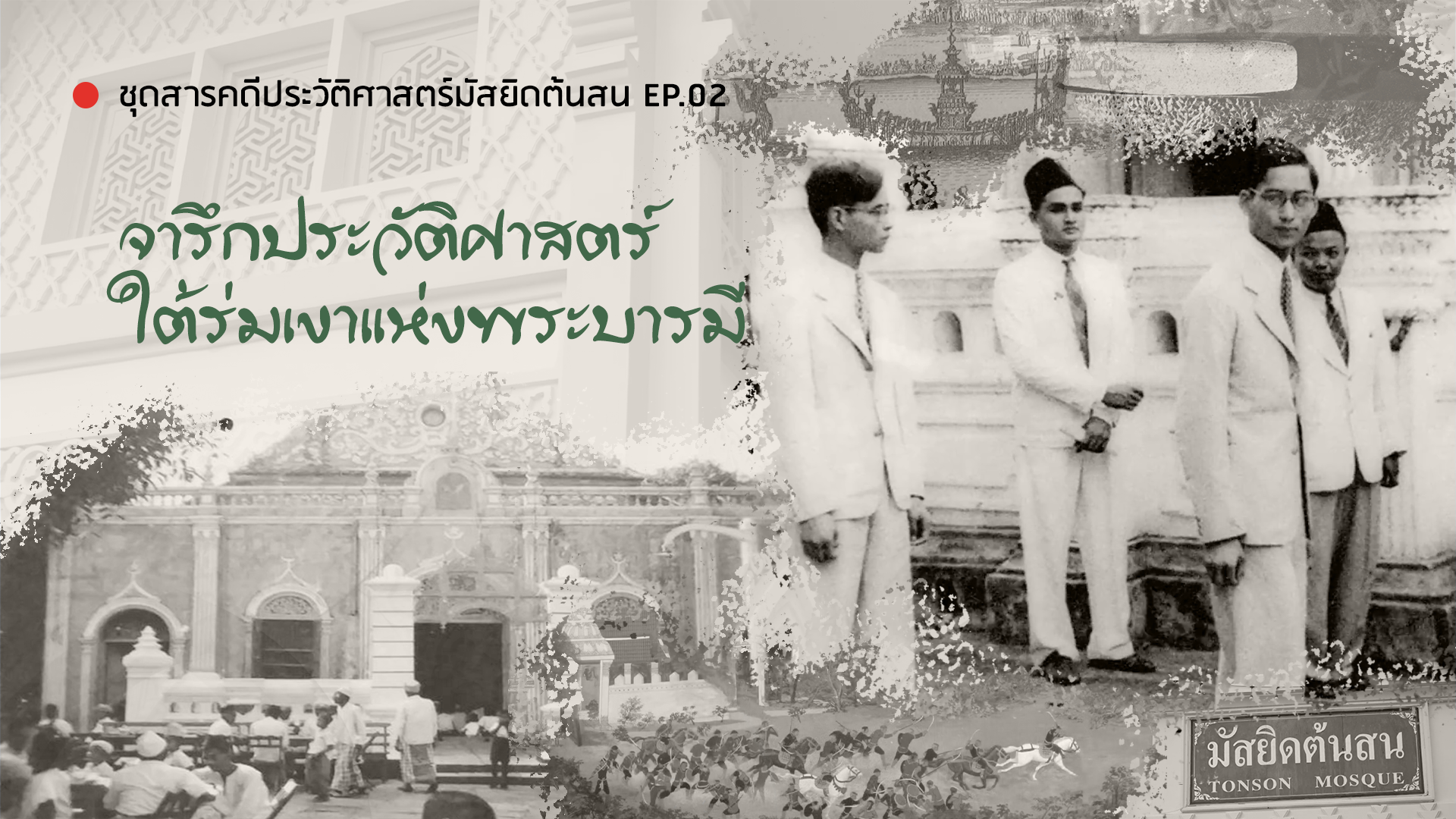
Communication Design for the "80th Anniversary of the Royal Visit to Ton Son Mosque: Commemorating Two Monarchs"
College of Design, Rangsit University, Thailand
Asst. Prof. Dr. Danu Phumalee
Abstract :
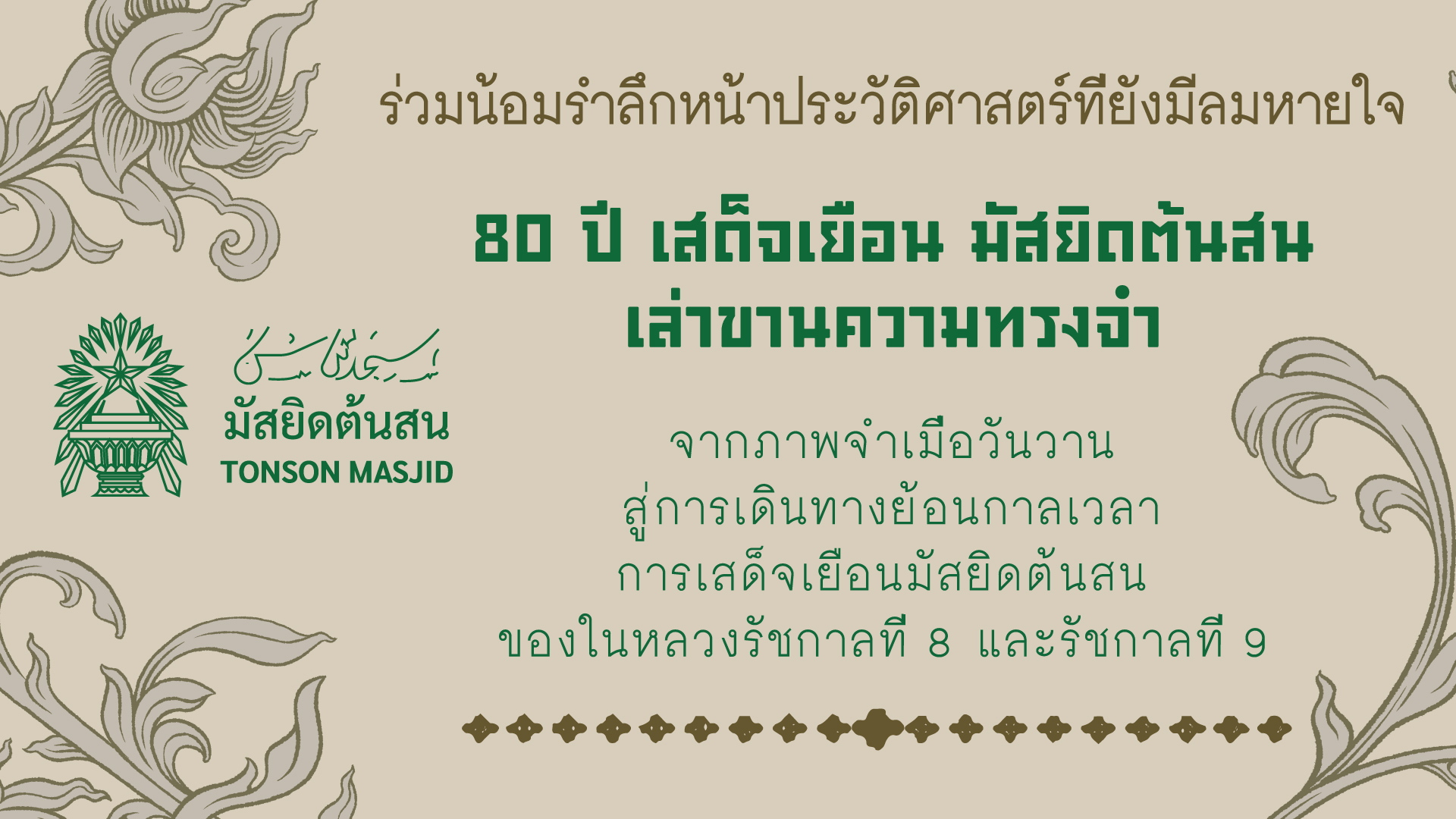
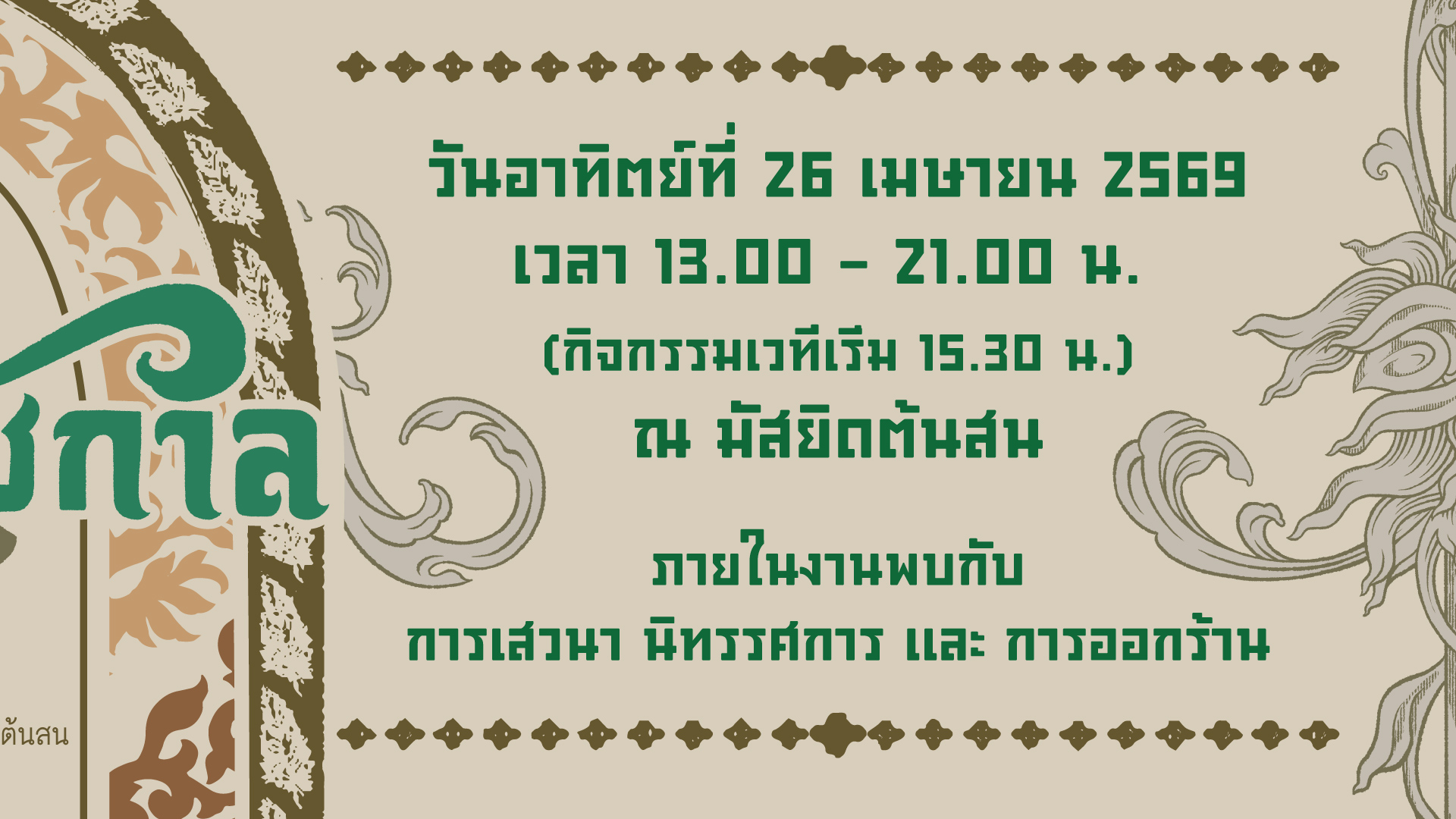
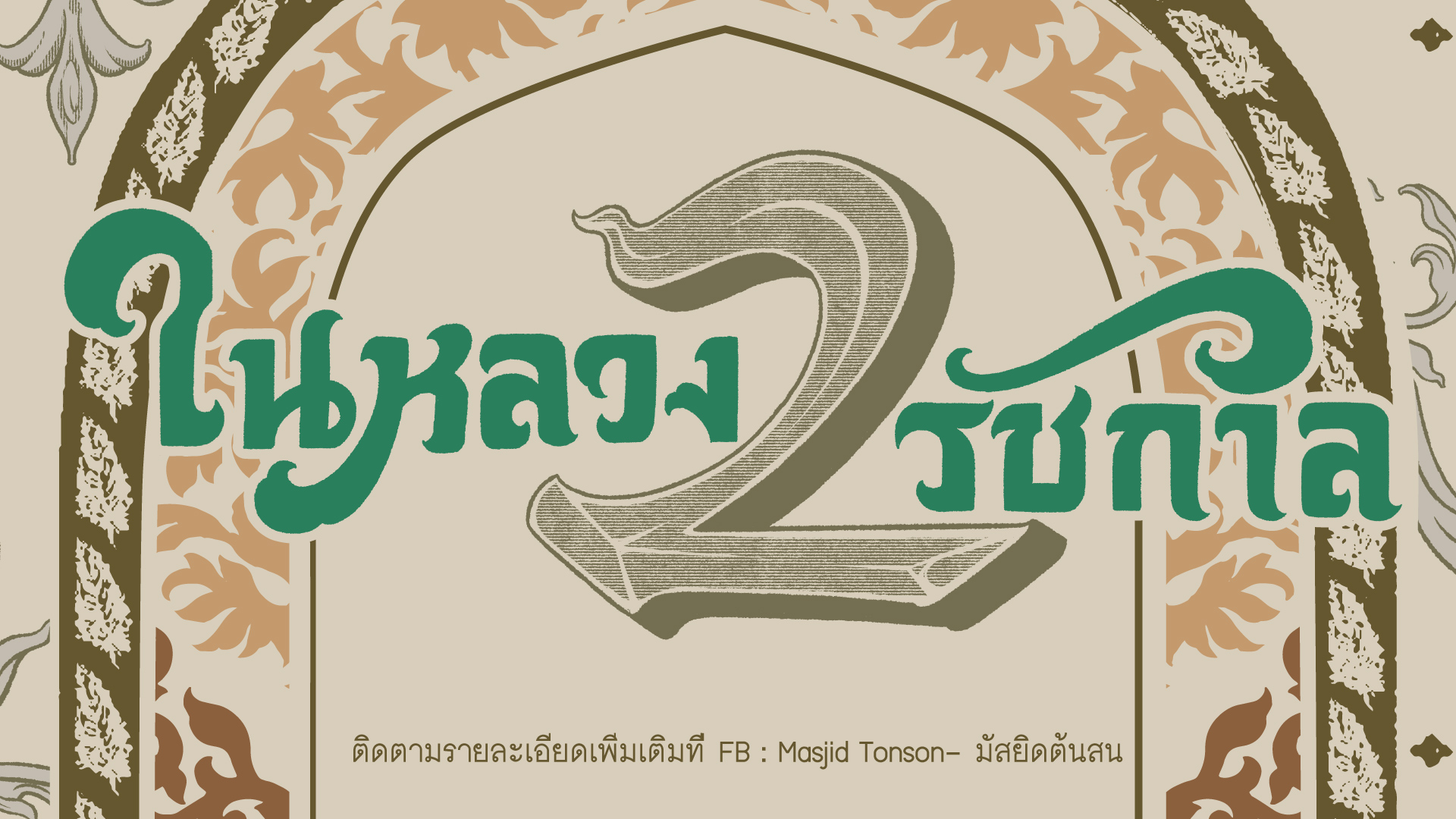
This creative work explores the concept of “Postmemory” examining how the younger generation inherits the collective memories, cultural heritage, and emotional bonds of their predecessors. Focusing on a monumental historical milestone, the project commemorates the 80th anniversary of the historic royal visits by King Rama VIII (King Ananda Mahidol) and King Rama IX (King Bhumibol Adulyadej) to the historic Ton Son Mosque on April 26, 1946. Dating back to the Ayutthaya era, Ton Son Mosque serves as a vital physical archive and spiritual anchor for Thai Muslims. Beyond highlighting the rich history and contributions of Muslim ancestors in Siam, this project emphasizes the profound benevolence of both monarchs as the Royal Patrons of Islam in Thailand. Their Majesties fostered a lasting foundation of peace, mutual understanding, and equality, exemplifying their role as universal protectors of all faiths. The historical moment of the young monarchs observing the “Asr” prayer (afternoon prayer) remains an indelible collective memory deeply cherished by the community. As the Lead Art Director and Communication Designer, the creator translated historical archives and royal grace into a contemporary visual language. Applying the concept of localization, the design process meticulously integrates traditional Islamic artistic elements with traditional Thai artistic motifs, creating a harmonious synthesis that distinctly reflects the unique identity of Thai-Muslims and Islam in Thailand. This approach is utilized to construct comprehensive Key Visuals and communication media. Ultimately, this project acts as a vital medium that revitalizes history, allowing contemporary audiences to inherit and deeply appreciate the enduring ties between the Thai monarchy and the Muslim community, while celebrating the harmonious beauty of a multicultural society.
Objectives :
1. To Explore Postmemory through Visuals: To translate historical narratives and collective memories of the past into a contemporary visual language that connects younger generations to their cultural heritage.
2. To Honor the Royal Patronage of Islam: To celebrate the profound benevolence of King Rama VIII and King Rama IX as the Royal Patrons of Islam, highlighting their role in fostering peace and harmony across diverse faiths.
3. To Apply Localization in Design: To integrate traditional Islamic geometric motifs with traditional Thai artistic elements, creating a syncretic visual style that authentically reflects the unique identity of Thai Muslims.
Conceptual Framework :
The conceptual framework for this design project is built upon three foundational pillars that bridge history, royal grace, and cultural identity:
1. Postmemory: Utilizing the concept of “Postmemory” to connect contemporary audiences with historical narratives. By reflecting on the 1946 royal visit to Ton Son Mosque by King Rama VIII and King Rama IX, the design transforms past collective memories into a modern visual experience, allowing the younger generation to emotionally inherit their cultural heritage.
2. Royal Patronage: Honoring the profound benevolence of both monarchs as the Royal Patrons of Islam in Thailand. The design visually highlights their historical role in fostering national unity, equality, and peace across diverse religious communities under the royal umbrella.
3. Localization in Art: Applying the concept of “Localization” by harmoniously synthesizing traditional Islamic geometric motifs with traditional Thai artistic elements. This fusion creates a unique visual identity that authentically reflects the culture and heritage
Process / Methodology :
The creative process for this design project is structured into three systematic phases to ensure historical accuracy, cultural resonance, and high visual standards:
• Research and Archival Analysis: The process begins with gathering historical data, archival imagery, and official records regarding the 1946 royal visit of King Rama VIII and King Rama IX to Ton Son Mosque. This phase deeply analyzes the historical significance of the site, its ancestral background, and the royal patronage of Islam to establish a solid conceptual foundation.
• Concept Development and Localization: In this phase, the core concept of “Postmemory” is translated into a visual strategy. Applying the concept of “Localization,” the design process meticulously combines traditional Islamic geometric motifs with traditional Thai artistic elements. This syncretic approach ensures that the Key Visuals and graphic elements authentically reflect the unique identity of Thai-Muslims.
• Art Direction and Media Production: The final phase involves executing comprehensive Art Direction and producing the final communication media. This includes finalizing the layout, typography, color palette, and graphic elements to create cohesive and engaging promotional assets. The resulting works effectively bridge historical heritage with contemporary design, delivering a profound message to the public.
Techniques and Materials :
Video Presentation [Upload Video Link] >>
Result / Conclusion :
The communication design project for the “80th Anniversary of the Royal Visit to Ton Son Mosque” event successfully achieved its goal of connecting historical events with today’s contemporary audience. Our methodology was straightforward and highly effective. We centered the creative process around authentic archival photographs and personal historical narratives to bring the past back to life. Additionally, we applied a localized design approach by meticulously integrating traditional Islamic geometric patterns with traditional Thai artistic motifs.
As a direct result, the final visual identity and media assets clearly and beautifully reflect the unique cultural heritage of the Thai-Muslim community. Ultimately, these creative design materias perfectly convey the deep, enduring relationship and profound emotional bond between the Thai monarchy and the Ton Son Mosque community over the past eight decades.
References :
Bhabha, H. K. (2004). The location of culture (2nd ed.). Routledge.
Sun, H. (2012). Cross-cultural technology design: Creating culture-sensitive technology for local users. Oxford University Press.
Broug, E. (2008). Islamic geometric patterns. Thames & Hudson.
Wheeler, A. (2017). Designing brand identity: An essential guide for the whole branding team (5th ed.). John Wiley & Sons.
HUMAN WIDE. (2026, March 6). Trailer | สารคดีประวัติศาสตร์มัสยิดต้นสน [Video]. YouTube. https://www.youtube.com/watch?v=PjS58lctbv4
Masjid Tonson – มัสยิดต้นสน. (2026, March 6). จารึกประวัติศาสตร์ใต้ร่มเงาแห่งพระบารมี | มัสยิดต้นสน Video Series EP.02 [Video]. YouTube. https://www.youtube.com/watch?v=bJsx55fKlxA
Share :
Facebook
Twitter
LinkedIn
WhatsApp
Email
Print