Stones of Mafra: inventory documenting 18th century heritage.
Marta Anna Orszt, PhD. Candidate / Portugal.
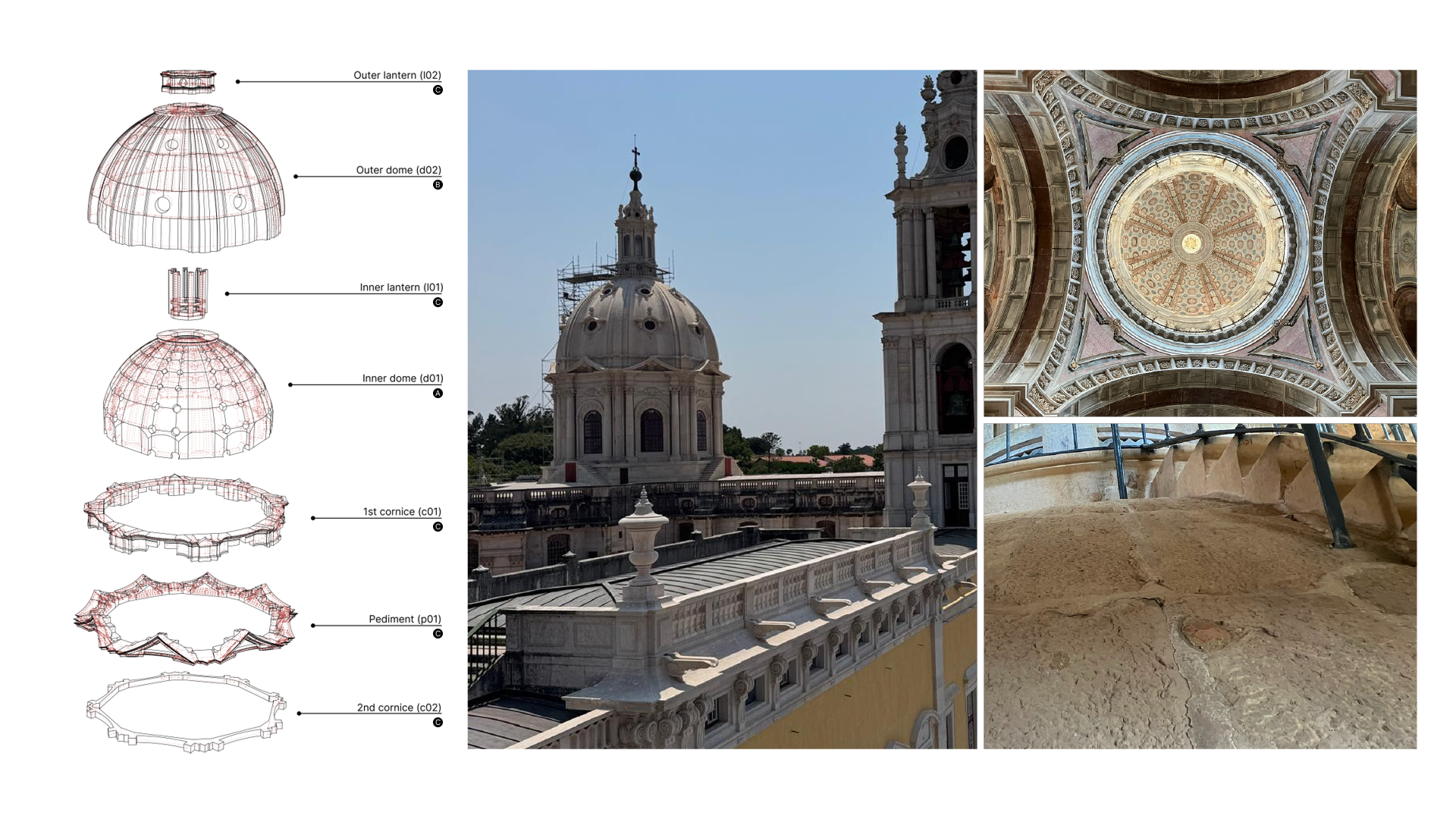
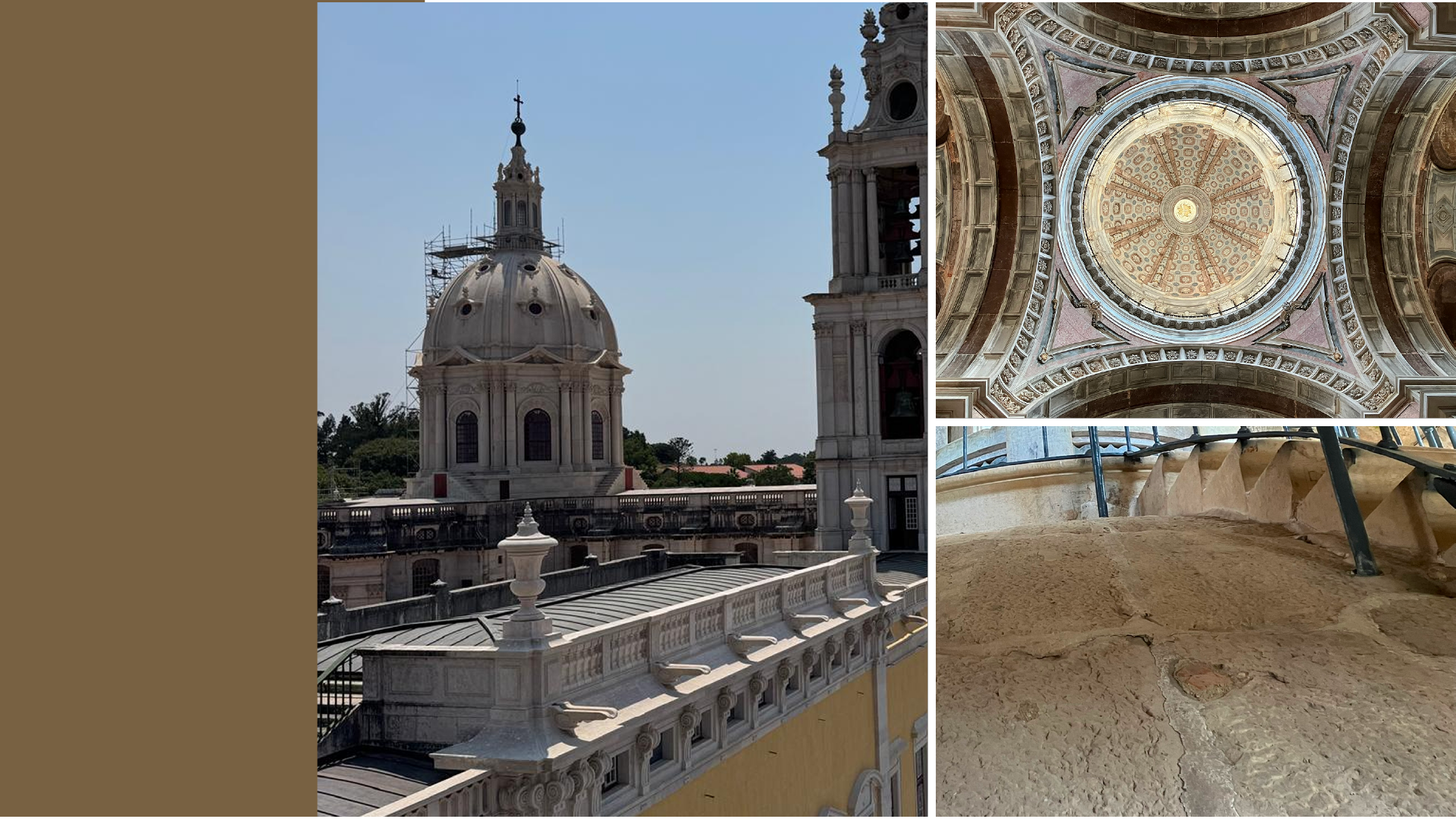
The National Palace of Mafra (NPM) is the largest construction of the 18th century in Portugal, representing the golden age characterized by dynamic social and political shifts, supported by colonial wealth. The complex can be seen as a great database of stereotomy – the art of dividing solids – since it contains a large number of stone-made forms, in which creation most of the Portuguese workforce of the time worked. This Johannine masterpiece was classified as a UNESCO World Heritage Site in 2019. Despite its role as a school for stonemasons and sculptors, the complex lacks surviving original construction documentation, while its highly complex stereotomic elements (vaults, domes, arches, and staircases) cannot be found in treatises from the 15th- 18th centuries, due to their high innovativeness.
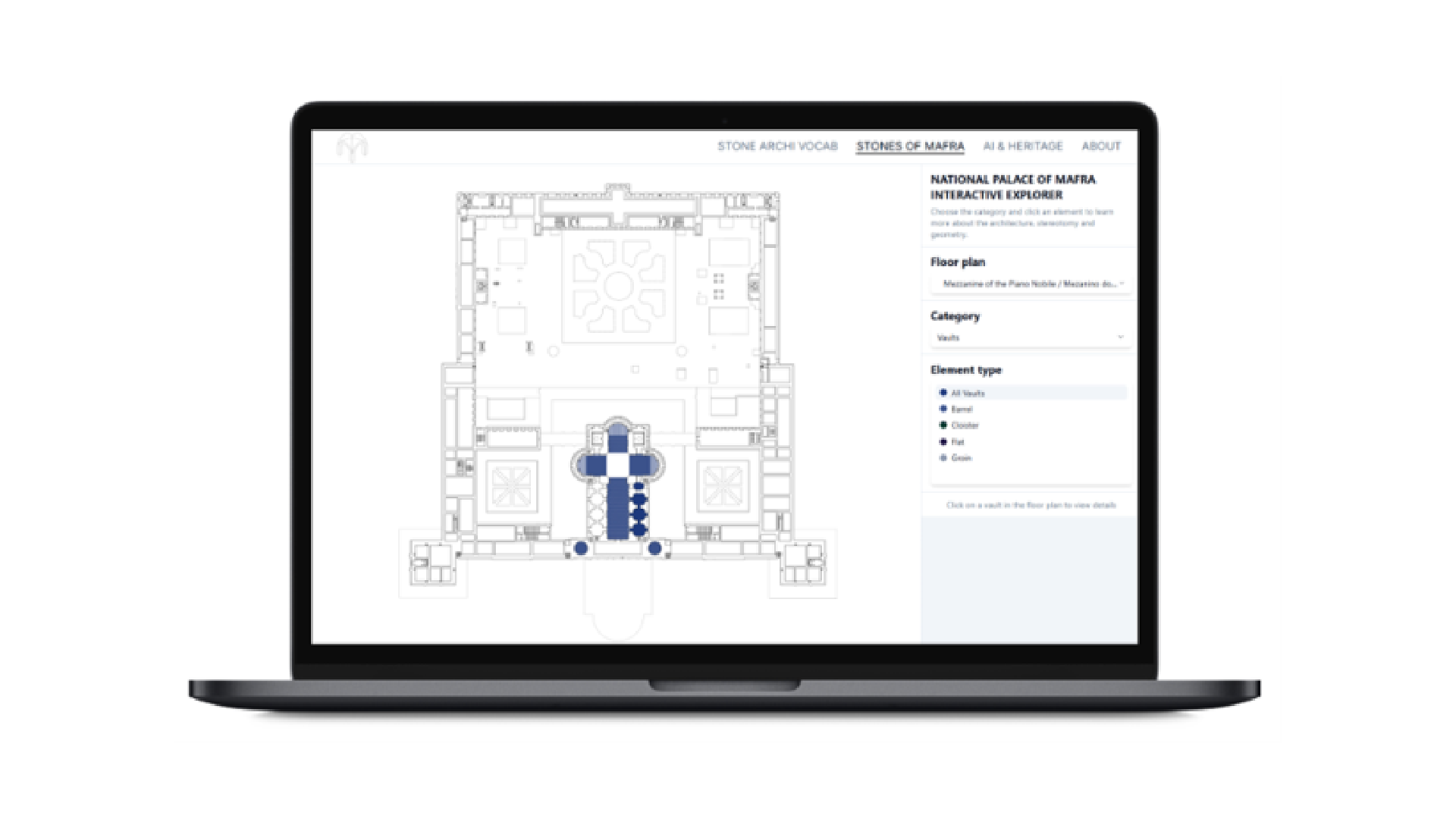
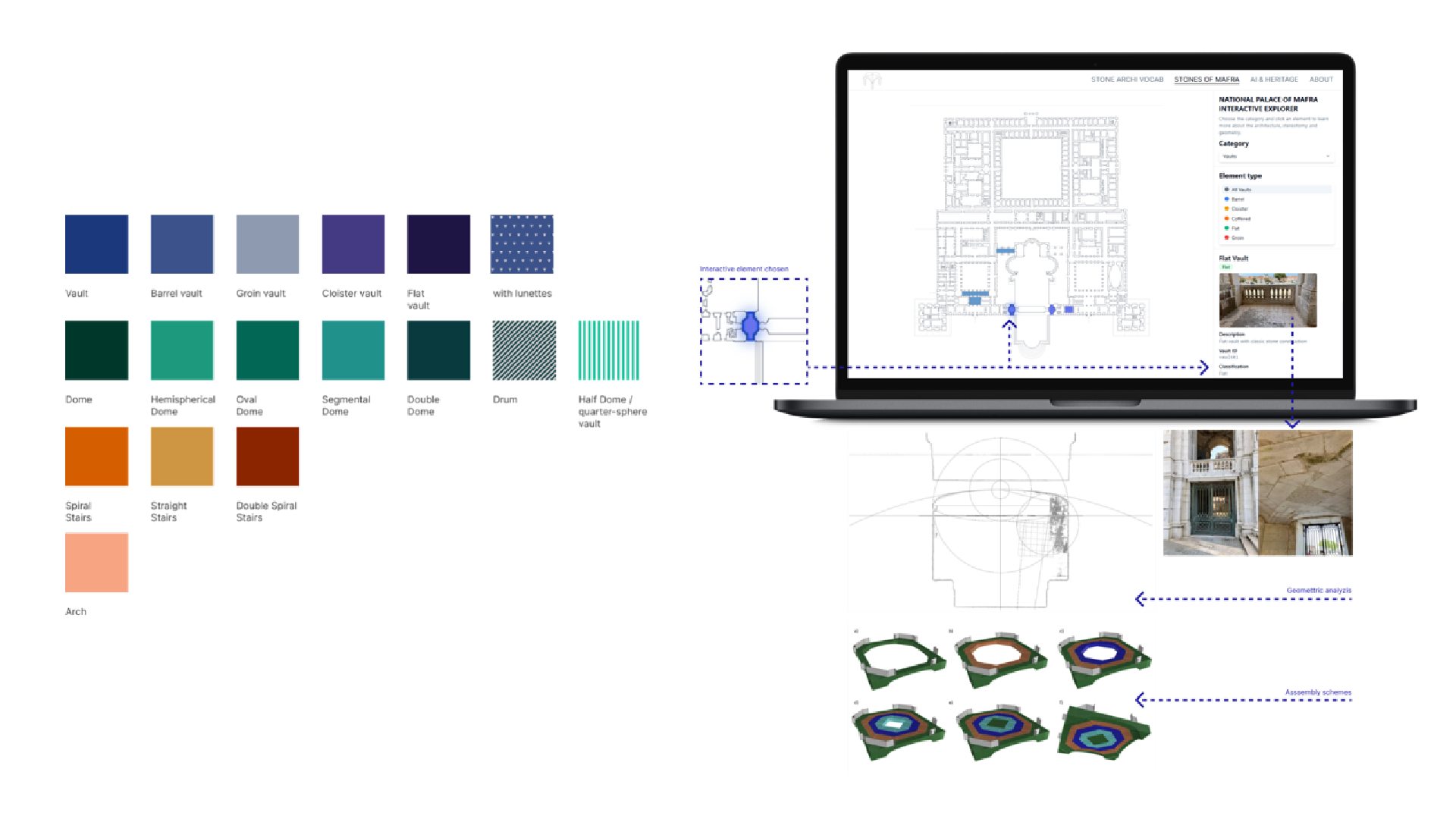
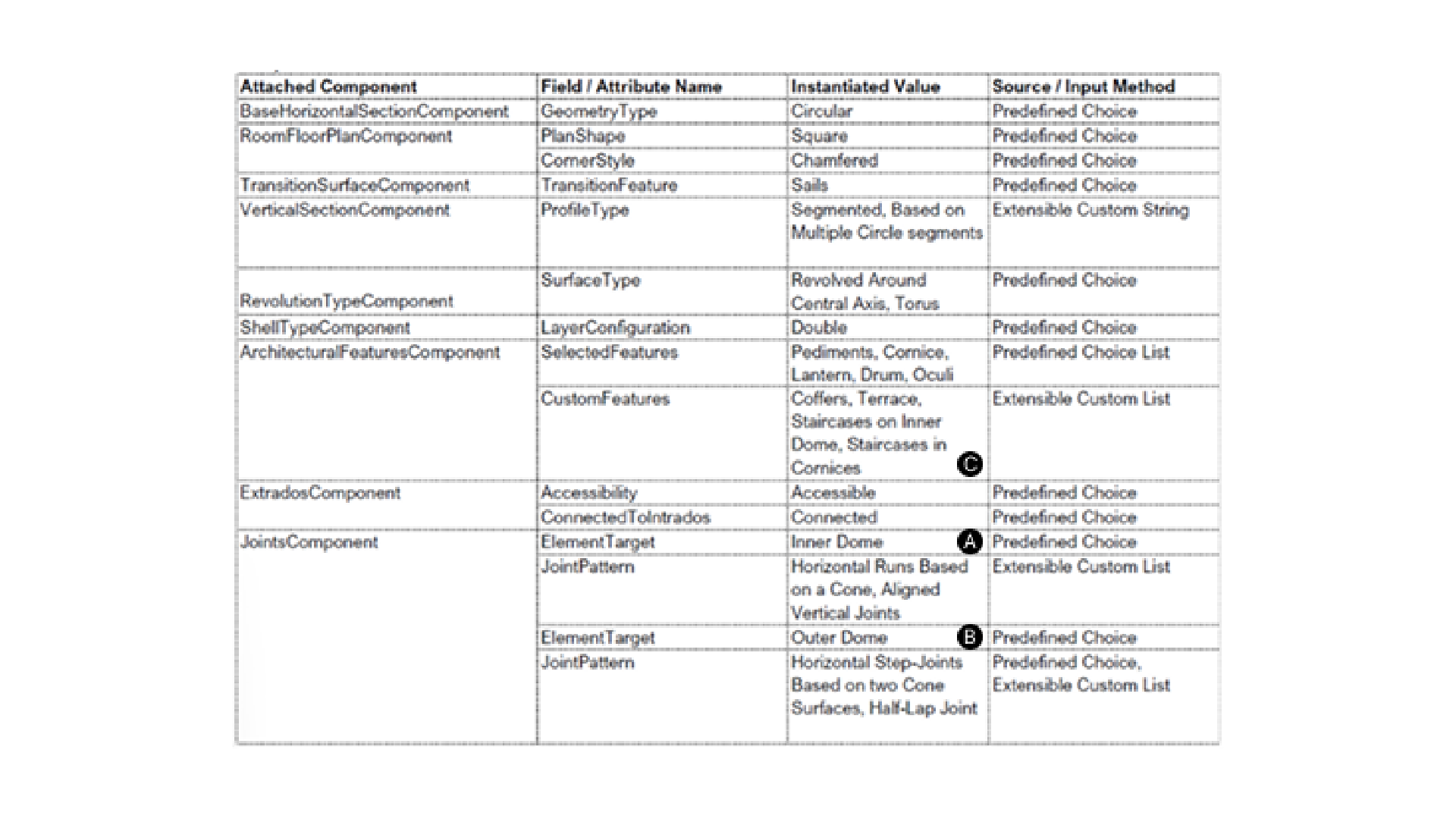
This research develops a digital inventory database that bridges the gap between surveying methods, the lack of ways to describe complex geometries in heritage, and promoting knowledge about heritage to a wider audience. The existing ways of classifying architectural elements were reviewed and compared to the forms found in NPM. This resulted in finding fundamental limitations in traditional hierarchical classification. To manage hundreds of individual stone elements across the complex, a novel mapping workflow was deployed, resulting in a lightweight, scalable, web-accessible heritage presentation tool based on Entity-Component-System (ECS) data architecture. The database is under development, and it will be accessible online at the end of 2026.
Share :
Facebook
Twitter
LinkedIn
WhatsApp
Email
Print