Pusarakitas : Remembrance Across 2,100 years
College of Design, Rangsit University, Thailand
Asst. Prof. Vishnunad Katanyuthaveethip

Abstract :
Pusarakitas: Remembrance Across 2,100 years. “The inspiration for designing the scarf pattern, derived from the excavation of a Late Prehistoric Archaeological Site at Don Yai Thong, Phetchaburi Province, Thailand.”
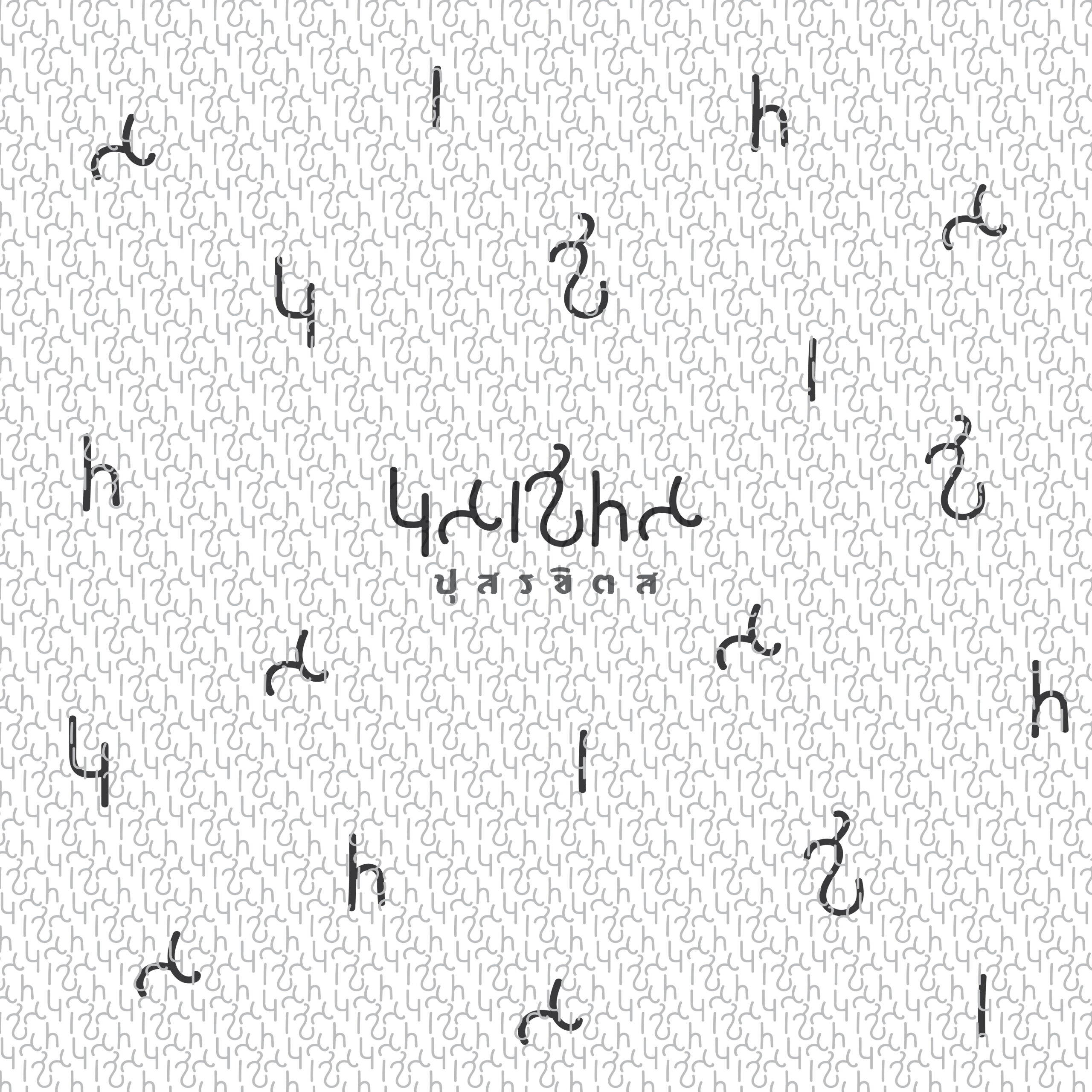
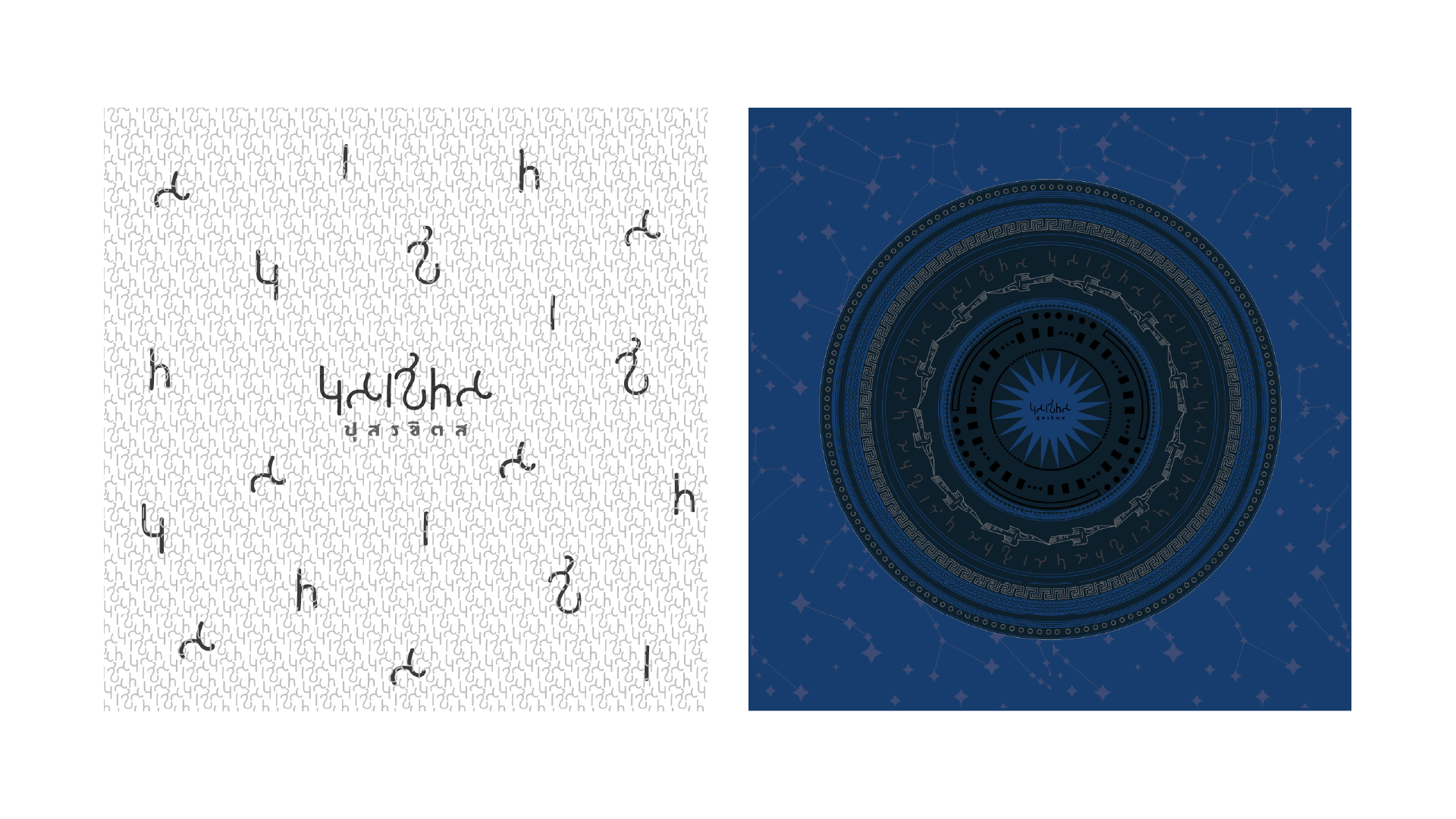
Pusarakitas (ปุสรขิตส) is a Brāhmī inscription engraved on a gold ring, serving as a signet ring. It was discovered at the archaeological site of Don Yai Thong in Phetchaburi Province, a Prehistoric Site dating to the late prehistoric period, prior to the historical Dvaravati era of Thailand.
The discovery of this new archaeological site began in early 2026 (B.E. 2569), when the landowner accidentally unearthed fragments of pottery and a bronze ceremonial drum (Dông Sôn drum) while preparing the land for rice cultivation. Subsequent excavation revealed human skeletons adorned with a gold signet ring and other gold ornaments, such as spiral-shaped gold earrings, gold bracelets, and numerous glass and semi-precious stone beads. These artifacts closely resemble finds from coastal sites along the Andaman Sea (Ranong, Krabi, Phang Nga) and the Gulf of Thailand (Chumphon, Surat Thani). This evidence suggests that the Don Yai Thong site functioned as a trans-peninsular trading station, connecting with the maritime Silk Route from southern China. The site is dated to approximately 1,900–2,100 years ago.
Merchants and travelers from the Indian subcontinent relied on the southwest monsoon winds, which carried them into Suvarnabhumi or the Southeast Asian region between approximately May and October. They would anchor their vessels to shelter from waves and storms, unload their goods, and transport them across the Tenasserim Hills on foot to reach the Gulf of Thailand. The city of Phetchaburi served as a distribution hub, from which goods were disseminated throughout the interior of Suvarnabhumi and further north into southern China.
On their return journey, Indian merchants took advantage of the northeast monsoon winds, which propelled their ships back to the Indian subcontinent. They carried with them commodities from Suvarnabhumi, including gold, copper, spices, agarwood, ivory, rhinoceros’ horn, tin, glass beads, bronze artifacts, and silk. Of particular importance was copper, abundantly available in central Thailand, which was exported as far as the Roman Empire. (Sujit Wongthes)
The discovery of this gold signet ring inscribed with the Brãhmî script “Pusarakitas” provides tangible evidence supporting the view that the Thai script has its roots in Brāhmī. Although the graphic forms of the letters have changed over time in accordance with materials and writing cultures of different
periods, the core consonantal sounds have been transmitted continuously since the 3rd century BCE, during the reign of Emperor Aśoka of the Maurya Dynasty and the subsequent Śuṇga Dynasty.
The inscription “Pusarakitas” on the gold ring translates as “belonging to Pusarakita,” and is related to the Sanskrit name Puṣyarakṣita, meaning “one protected by the constellation or star Puṣya.” (Dr. Uthen Wongstit, Faculty of Archaeology, Silpakorn University, 2026)
In astrology, the constellation Puṣya is designated as the 8th of the 27 lunar mansions, known as the Puṣya Nakṣatra. It consists of five stars forming part of the Cancer constellation (Karkata Rāśi). Its symbolic representations include a fully blossomed flower, a circle, an arrow, and a cow’s udder, all of which signify nourishment, abundance, and spiritual stability.
Puṣya is classified among the “Rājā Nakṣatras” (Kingly Nakṣatras), denoting greatness, sovereignty, royal authority, or exalted power. It is governed by the planet Venus (Śukra) and belongs to the category of Būruna Nakṣatras, regarded as superior to all others, symbolizing enduring stability and longevity.
The inscription “Pusarakitas” holds profound significance in the fields of epigraphy, history, and archaeology. The dissemination of knowledge concerning the Don Yai Thong archaeological site and the discovery of the gold signet ring inscribed with “Pusarakitas” was first introduced to the public through a special exhibition entitled “The Genesis of Phetchaburi Civilization”, organized by the Fine Arts Department, Ministry of Culture, at the Santhakarn Sathan Pavilion, Phra Nakhon Khiri National Museum, Phetchaburi Province, during 24–28 August 2026.
This presentation, however, was limited in scope and reach. Although a number of local students and nearby residents expressed interest and attended the exhibition, the promotion and dissemination of knowledge about the Don Yai Thong site remained insufficient. Expanding the use of appropriate and diverse media channels is expected to enhance public awareness and generate greater interest among students, scholars, and the general public more effectively.
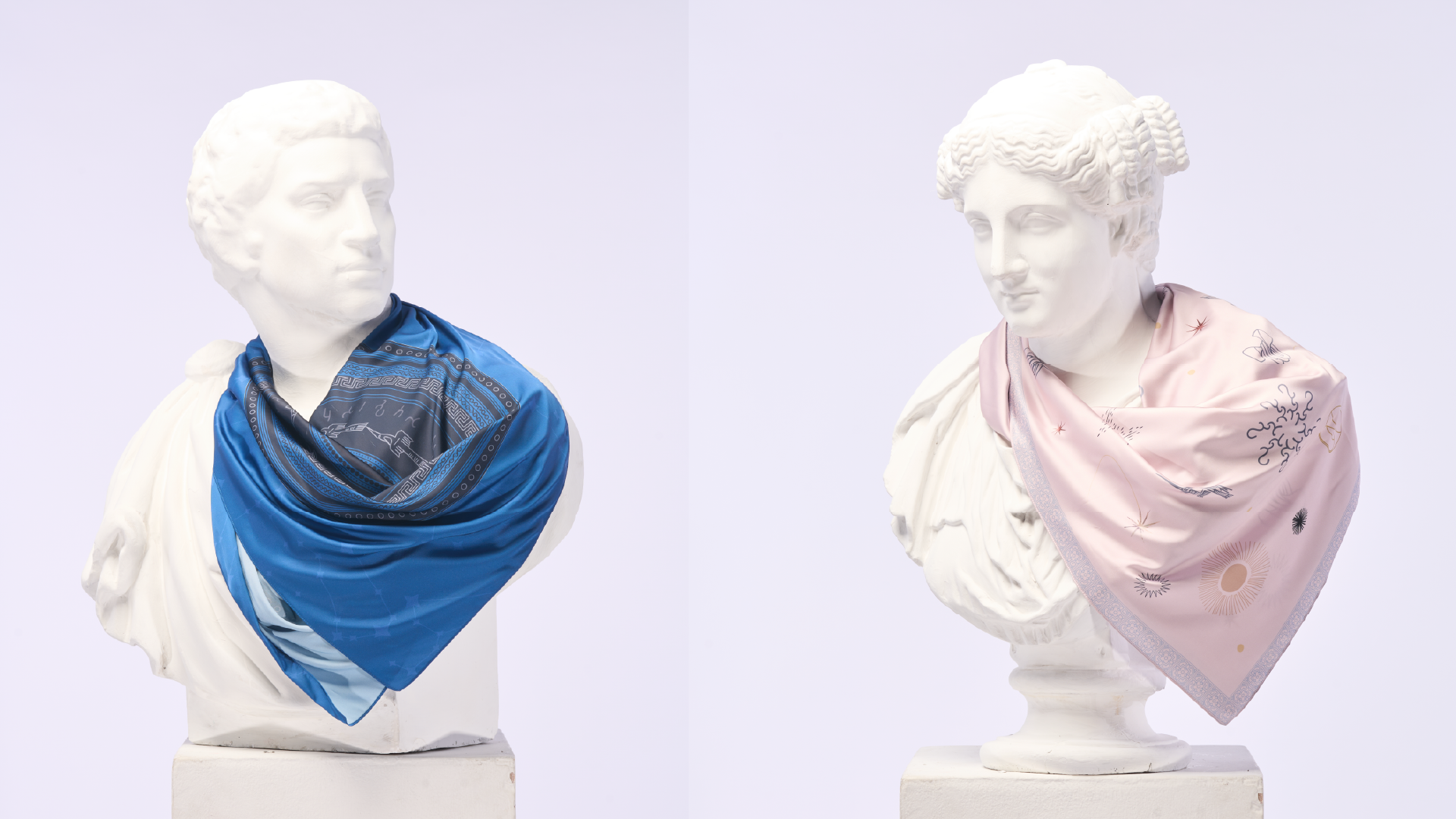
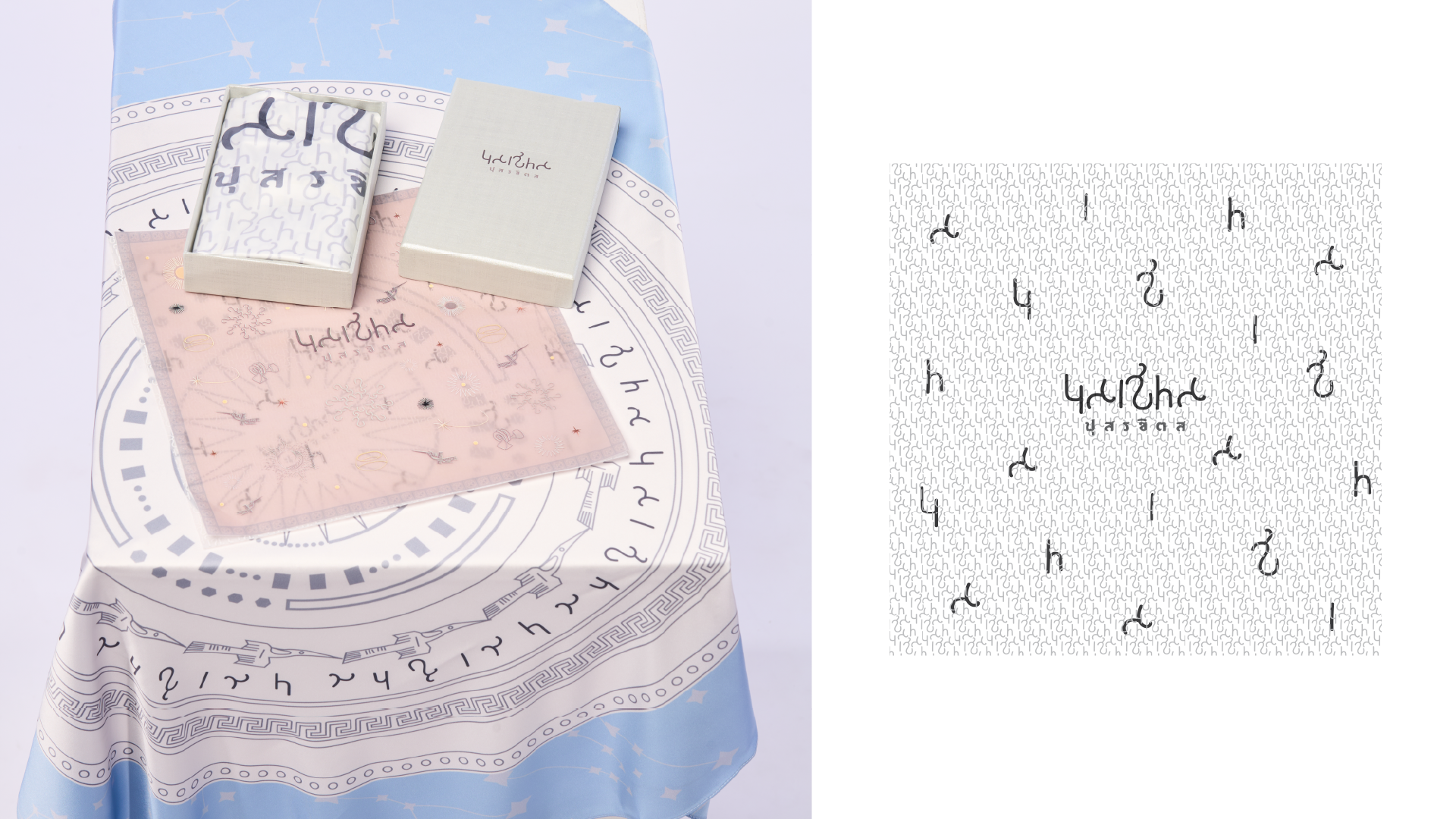
The promotion of the Don Yai Thong archaeological site and the discovery of the gold signet ring inscribed with Brāhmī characters “Pusarakitas” through the design of scarves or shawls incorporating both Brāhmī and Thai scripts for everyday use represents an additional means of disseminating knowledge and raising public awareness of this newly identified archaeological site.
Objectives :
Serving as an instrument to enhance public outreach and awareness of the Don Yai Thong Prehistoric Archaeological Site.
To provide financial support for the Don Yai Thong archaeological site through the sale of scarves or shawls.
The sale of these products serves as an indirect channel of outreach, fostering public awareness and appreciation of the Don Yai Thong archaeological site.
To design prototype textile patterns for the Don Yai Thong archaeological site, with the purpose of producing and selling them as a source of financial support.
Conceptual Framework :
Presentation of Significance: The Newly Discovered Don Yai Thong Archaeological Site
(2026)
Presentation of Significance of the Artifacts from the Don Yai Thong Archaeological Site
Presentation of Significance of the Brāhmī Inscription on the Gold Signet Ring
Curatorial Presentation: Textile Design for Heritage Support
Process / Methodology :
A study of the discovery history of the Don Yai Thong Archaeological Site, newly unearthed in 2026 (B.E. 2569)
A comparative study of ancient Brāhmī script forms inscribed on a gold signet ring and their correspondence to the modern Thai script.
A study of astrological beliefs associated with the Brāhmī inscriptions engraved on the gold signet ring.
A study of geography and the relationships between India, Southeast Asia and southern China.
Techniques and Materials :
Three outfits reflect the different stages of human life—youth, adulthood, and old age—through
distinct structural forms: an elongated cylinder for the youth ensemble, a circular cylinder integrated into the adult garment, and an elliptical shape enveloping the body for the elderly stage. Hoop-based struc-tural techniques were employed to create these cylindrical forms across all three outfits. Additionally, tulle fabric was selected to convey qualities of grace and fragility, as well as profound, multi-dimensional emotions.
Result / Conclusion :
The interaction between civilizations from southern China and those of the Indian subcontinent emerged along trans-peninsular trade routes, linking the Andaman Sea to the Gulf of Thailand, at the Late Prehistoric archaeological site of Don Yai Thong in Phetchaburi Province. Evidence of this contact includes bronze Đông Sơn drums and gold ornaments. Excavations uncovered a gold ring inscribed with Brāhmī script, spiral and spherical gold earrings, and gold bangles decorated with granules resembling fish eggs. This style was popular in ancient India. Most of the excavated artifacts are women’s ornaments. Moreover, the excavation site is called ‘Don Yai Thong,’ named after the original landowner. The word ‘yai’ means grandmother, signifying that femininity is strongly connected to this archaeological site. Scarves
or shawls are common accessories for women. Utilizing scarves or shawls as tools to promote public awareness of this archaeological site is therefore highly appropriate.
Incorporating motifs of the sun, cranes, and other geometric patterns appearing on the surface of bronze drums as the principal design elements will clearly reflect the identity of the ‘Don Yai Thong’ archaeological site on fabric.
References :
Phasuk Intharawut. Suvarnabhumi from Archaeological Evidence. Bangkok: Department of Archaeology, Faculty of Archaeology, Silpakorn University, 2005.
Manit Vallibhotama. Where is Suvarnabhumi? Bangkok: Kanawet, 1978.
Sujit Wongthes. Suvarnabhumi: The Origin of Thai History. Bangkok: Matichon, 2006.
Hall, D. G. E. A History of Southeast Asia: Suvarnabhumi–Extraordinary Southeast Asia. Vols. 1–2. Trans lated by Thanphuying Warunyupa Snidvongs Na Ayudhya and others. Bangkok: Toyota Foundation Thailand and Foundation for the Promotion of Social Sciences and Humanities Textbooks Project, 2006.
Share :
Facebook
Twitter
LinkedIn
WhatsApp
Email
Print